 Back
Biological Macromolecules: Structure, Function, and Diversity Ch 2
Study Guide - Smart Notes
 Tailored notes based on your materials, expanded with key definitions, examples, and context.
Biological Macromolecules
Elements in Living Organisms
Living organisms are primarily composed of a select group of elements, with carbon, hydrogen, oxygen, and nitrogen making up the majority. These elements form the backbone of biological macromolecules, which are essential for life.
Major elements: Carbon (C), Hydrogen (H), Oxygen (O), Nitrogen (N)
Minor elements: Calcium (Ca), Iron (Fe), Chlorine (Cl), Potassium (K), Phosphorus (P), Sodium (Na), Sulfur (S), Magnesium (Mg), Boron (B), and others
Carbon: The Key Player
Carbon is central to the chemistry of life due to its ability to form four covalent bonds, allowing for the creation of complex molecules and long chains. The versatility of carbon enables the formation of diverse biomolecules with various functional groups attached.
Carbon chains: Serve as the backbone for biomolecules
Functional groups: Atoms or groups of atoms attached to the carbon backbone, influencing chemical properties and reactivity
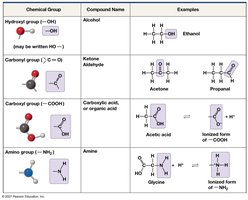
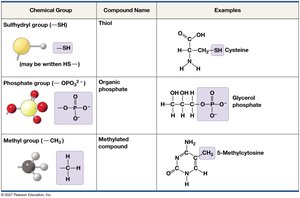
Functional Groups of Organic Compounds
Functional groups are specific groups of atoms within molecules that determine the chemical behavior of those molecules. They are critical in the structure and function of biological macromolecules.
Hydroxyl group (–OH): Found in alcohols, increases solubility in water
Carbonyl group (C=O): Found in ketones and aldehydes
Carboxyl group (–COOH): Found in carboxylic acids, acidic properties
Amino group (–NH2): Found in amines, basic properties
Sulfhydryl group (–SH): Found in thiols, important for protein structure
Phosphate group (–OPO32–): Found in organic phosphates, energy transfer
Methyl group (–CH3): Found in methylated compounds, affects gene expression
Molecular Shapes of Carbon Compounds
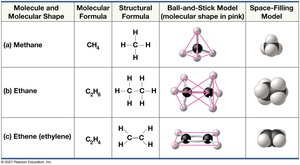
The shape of carbon compounds is determined by the arrangement of atoms and the types of bonds formed. This influences the physical and chemical properties of molecules.
Methane (CH4): Tetrahedral shape
Ethane (C2H6): Extended tetrahedral
Ethene (C2H4): Planar due to double bond
Isomers
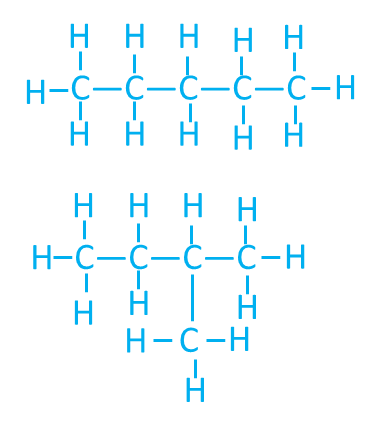
Isomers are molecules with the same molecular formula but different structures. This structural diversity leads to different chemical properties and biological functions.
Structural isomers: Different covalent arrangements of atoms
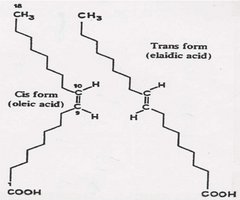
Cis-trans isomers: Same covalent partners, different spatial arrangement around a double bond
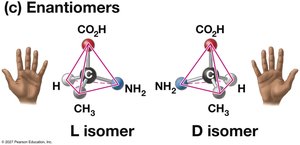
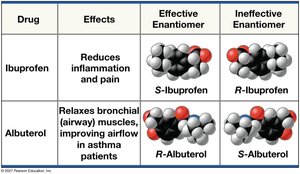
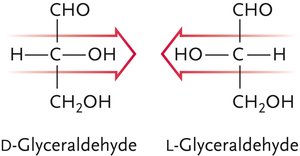
Enantiomers: Mirror images about an asymmetrical carbon, often with different biological activity
Four Major Groups of Biomolecules
Overview
Biomolecules are classified into four major groups: carbohydrates, proteins, nucleic acids, and lipids. The first three are polymers made from repeating monomer units, while lipids are not true polymers but are assembled from smaller building blocks.
Carbohydrates: Sugars and their polymers
Proteins: Polymers of amino acids
Nucleic acids: Polymers of nucleotides
Lipids: Fats, oils, steroids, and waxes
Carbohydrates
Monosaccharides: Structure and Classification
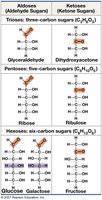
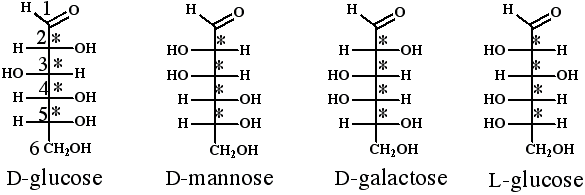
Monosaccharides are the simplest carbohydrates, serving as the monomers for larger carbohydrate polymers. They are classified by the location of their carbonyl group and the number of carbon atoms.
Aldoses: Carbonyl group at the end (e.g., glucose)
Ketoses: Carbonyl group within the chain (e.g., fructose)
Triose, tetrose, pentose, hexose: 3, 4, 5, or 6 carbon atoms
Structural isomers: Same formula, different arrangement
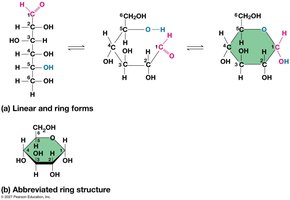
Ring and Linear Forms of Monosaccharides
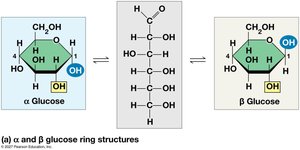
Under physiological conditions, most monosaccharides exist in ring forms, which are more stable than linear forms. The ring structure is crucial for their function and polymerization.
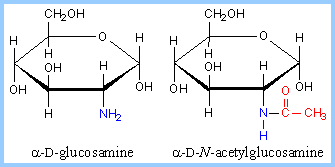
Functions and Derivatives of Simple Sugars
Monosaccharides serve as fuel for cellular respiration and as raw materials for biosynthesis. Derivatives include acid sugars and amino sugars, which play roles in cell structure and signaling.
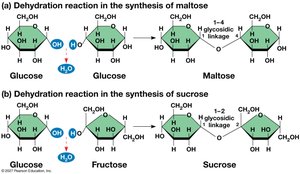
Carbohydrate Polymers: Disaccharides and Polysaccharides
Carbohydrate polymers are formed by dehydration reactions, linking monosaccharides via glycosidic bonds. Disaccharides are used for transport, while polysaccharides serve storage and structural functions.
Disaccharides: Two monosaccharides joined (e.g., maltose, sucrose)
Polysaccharides: Many monosaccharides joined (e.g., starch, glycogen, cellulose)
Storage Polysaccharides
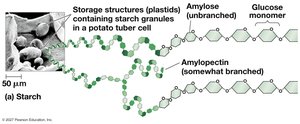
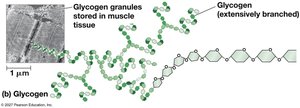
Starch and glycogen are storage polysaccharides. Starch is found in plants and consists of amylose (unbranched) and amylopectin (branched). Glycogen is highly branched and stored in animal tissues.
Structural Polysaccharides
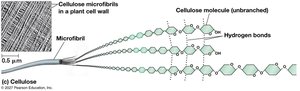
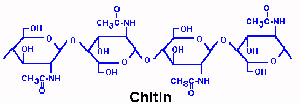
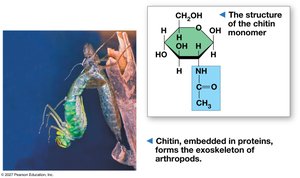
Cellulose and chitin are structural polysaccharides. Cellulose forms plant cell walls, while chitin is found in fungal cell walls and arthropod exoskeletons.
Alpha and Beta Linkages in Polysaccharides
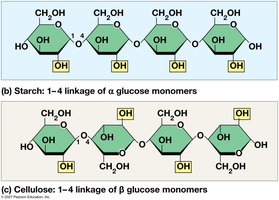
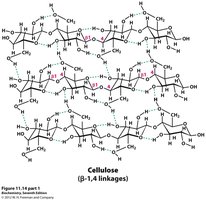
The digestibility and function of polysaccharides depend on the configuration of their glycosidic linkages. Starch and glycogen have alpha (1-4) linkages, while cellulose has beta (1-4) linkages.
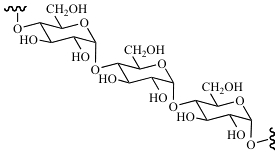
Homopolysaccharides vs. Heteropolysaccharides
Homopolysaccharides are composed of one type of monosaccharide, while heteropolysaccharides contain two or more types. Examples include starch, glycogen, cellulose (homopolysaccharides), and hyaluronic acid (heteropolysaccharide).
Proteins
Functions of Proteins
Proteins are versatile macromolecules responsible for structure, storage, transport, communication, movement, regulation, protection, and catalysis in biological systems.
Structural: Silk, keratin
Storage: Ovalbumin
Transport: Hemoglobin
Cell communication: Receptors, hormones
Movement: Actin, myosin
Regulation: Protein kinases
Protection: Antibodies
Enzymes: Biological catalysts
Amino Acids: Monomers of Proteins
Amino acids are the building blocks of proteins, differing in their R-group side chains. At physiological pH, many amino acids are charged, and only L-isomers are used in living systems.
Non-polar, polar, and electrically charged R-groups
Central carbon is asymmetrical
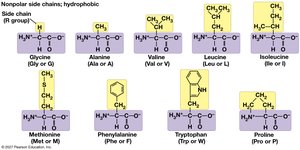
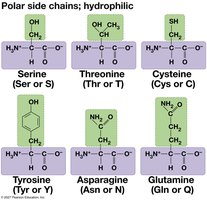
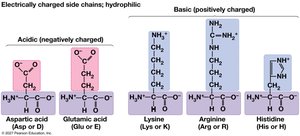
Polypeptide Formation
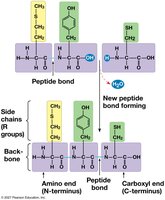
Proteins are polymers of amino acids linked by peptide bonds formed through dehydration reactions. Polypeptides have directionality, with an N-terminus and a C-terminus.
Protein Structure
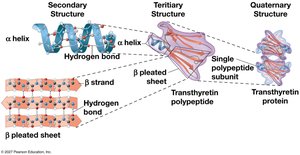
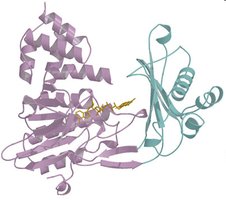
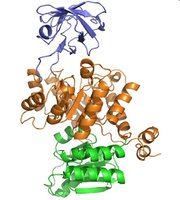
Proteins fold into specific three-dimensional structures, which are essential for their function. Structure is organized into four levels:
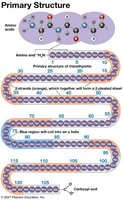
Primary: Linear sequence of amino acids
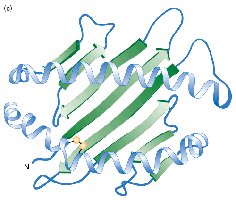
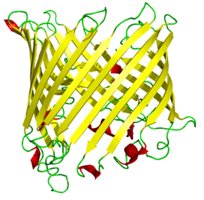
Secondary: Localized folding (alpha helices, beta sheets) stabilized by hydrogen bonds
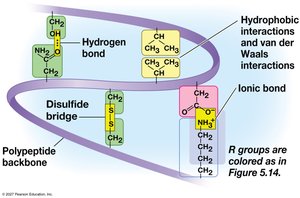
Tertiary: Global folding due to interactions among R-groups (hydrogen bonds, ionic bonds, disulfide bridges)
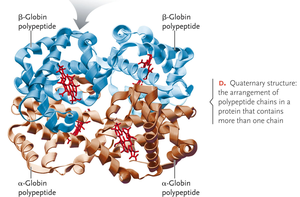
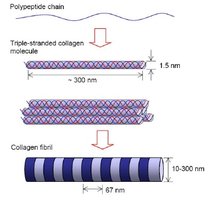
Quaternary: Association of multiple polypeptide chains
Protein Conformation and Denaturation
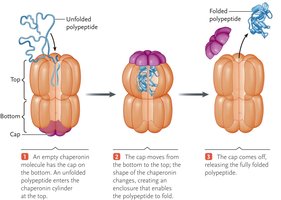
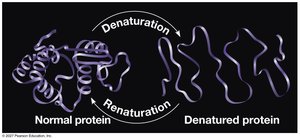
The conformation of a protein determines its function. Changes in temperature or pH can cause denaturation, leading to loss of function. Denaturation may be reversible or irreversible.
Lipids
Structure and Types of Lipids
Lipids are hydrophobic molecules that include fats, oils, steroids, and waxes. They are not polymers but are assembled from glycerol and fatty acids.
Glycerol: 3-carbon alcohol
Fatty acid: Long hydrocarbon chain with a carboxyl group
Saturated vs. Unsaturated Fatty Acids
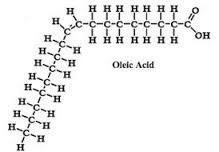
Saturated fatty acids have no double bonds and are solid at room temperature. Unsaturated fatty acids have one or more double bonds, introducing kinks and making them liquid (oils).
Fat Synthesis and Structure
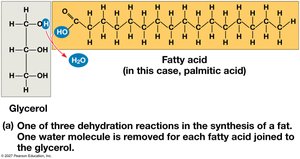
Fats are formed by joining three fatty acids to glycerol via dehydration reactions, resulting in triacylglycerol. Fatty acids can vary in length and saturation.
Functions of Fats
Fats serve as long-term energy storage, insulation, cushioning, and water repellency.
Phospholipids
Phospholipids are major components of biological membranes, consisting of a hydrophilic head and hydrophobic tails. In aqueous environments, they form bilayers.
Sterols
Sterols, such as cholesterol, are hydrophobic molecules involved in membrane structure and hormone synthesis.
Nucleic Acids
Nucleotides and Nucleic Acids
Nucleic acids (DNA and RNA) are polymers of nucleotides, which consist of a phosphate group, a five-carbon sugar, and a nitrogenous base. DNA determines the primary structure of proteins and controls cellular metabolism.
DNA: Deoxyribose sugar, bases A, T, G, C
RNA: Ribose sugar, bases A, U, G, C
Polymerization and Structure
Nucleotides are joined by phosphodiester linkages. DNA is double-stranded (double helix), while RNA is single-stranded.
Nucleotide Derivatives
Nucleotide derivatives, such as ATP and coenzyme A, are vital for energy transfer and enzyme function. Cyclic AMP (cAMP) acts as a signaling molecule.
