 Back
Biological Macromolecules: Structure, Function, and Synthesis
Study Guide - Smart Notes
 Tailored notes based on your materials, expanded with key definitions, examples, and context.
Biological Macromolecules
Introduction to Biological Molecules
Biological macromolecules are large, complex molecules essential for life. They include carbohydrates, lipids, proteins, and nucleic acids, each with unique structures and functions. These molecules are primarily composed of carbon, hydrogen, oxygen, nitrogen, and sometimes phosphorus and sulfur.
Chemical Reactions in Biology
Basic Principles of Chemical Reactions
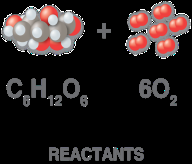
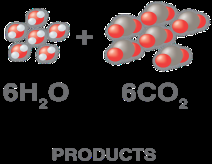
Chemical reactions rearrange matter but do not create or destroy it. In biological systems, reactants are transformed into products, often involving the making or breaking of covalent bonds. The law of conservation of mass applies: the total mass of reactants equals the total mass of products.
Organic Macromolecules
Overview and Classification
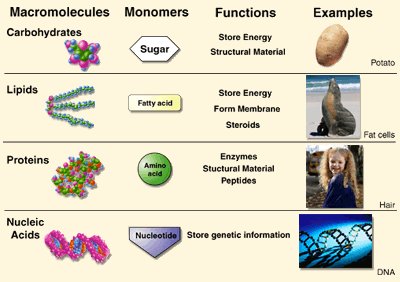
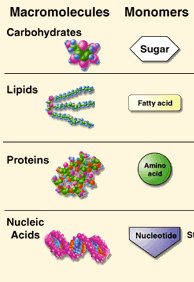
Living organisms are composed of four main types of organic macromolecules: carbohydrates, lipids, proteins, and nucleic acids. Most are polymers, formed by joining smaller units called monomers through covalent bonds.
Polymerization and Depolymerization
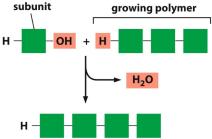
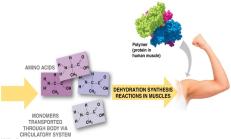
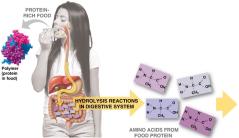
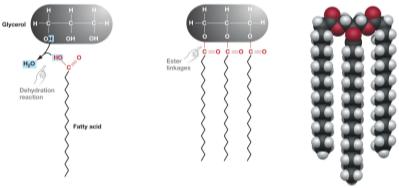
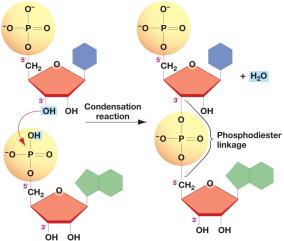
Macromolecules are synthesized by condensation (dehydration synthesis) reactions, which join monomers and release water. Conversely, hydrolysis reactions break polymers into monomers by adding water.
Condensation (Dehydration Synthesis): Joins monomers, releases H2O, requires energy input.
Hydrolysis: Breaks polymers, consumes H2O, releases energy.
Lipids
Structure and Types of Lipids
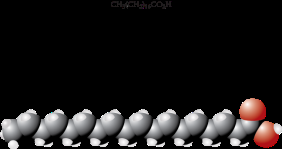
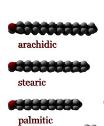
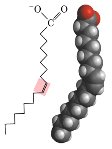
Lipids are hydrophobic, nonpolar molecules composed mainly of carbon and hydrogen. The main types include fats (triglycerides), phospholipids, steroids, and waxes. Fatty acids, the building blocks of many lipids, consist of hydrocarbon chains with a terminal carboxylic acid group.
Fats (Triglycerides): Three fatty acids linked to glycerol via ester bonds; function in energy storage, insulation, and cushioning.
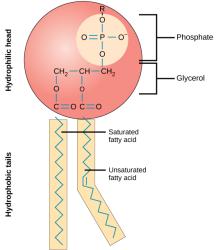
Phospholipids: Glycerol backbone, two fatty acids, and a phosphate group; amphipathic, forming cell membranes.
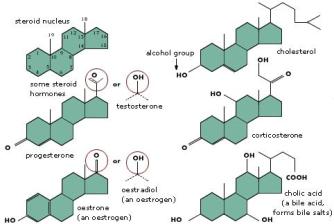
Steroids: Four fused carbon rings; include cholesterol and hormones.
Waxes: Long-chain fatty acids esterified to alcohols; waterproofing in plants and animals.

Phospholipids and Membranes
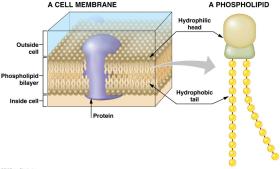
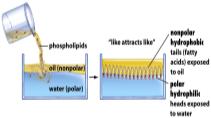
Phospholipids are essential for forming biological membranes. Their amphipathic nature (hydrophilic head, hydrophobic tails) drives the formation of bilayers in aqueous environments, creating selective barriers for cells.
Steroids and Waxes
Steroids have a characteristic four-ring structure and function as hormones and membrane components. Waxes provide waterproofing and protection in plants and animals.

Carbohydrates
Structure and Classification
Carbohydrates are sugars and their polymers, composed of carbon, hydrogen, and oxygen in a 1:2:1 ratio. They are classified as monosaccharides (simple sugars), disaccharides, and polysaccharides (complex carbohydrates).
Monosaccharides: Single sugar units (e.g., glucose, fructose).
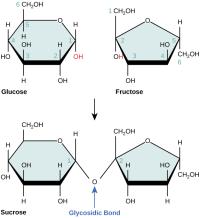
Disaccharides: Two monosaccharides joined by glycosidic bonds (e.g., sucrose).
Polysaccharides: Long chains of monosaccharides (e.g., starch, glycogen, cellulose).
Polysaccharides: Structure and Function
Polysaccharides are formed by condensation reactions between monosaccharides, creating glycosidic linkages. Their structure determines their function in energy storage or structural support.
Starch: Energy storage in plants; α-1,4 and α-1,6 glycosidic bonds; helical structure.
Glycogen: Energy storage in animals; more highly branched than starch.
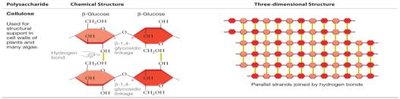
Cellulose: Structural support in plants; β-1,4 glycosidic bonds; forms fibers.


Carbohydrates in Cell Identity and Energy
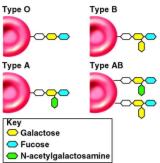
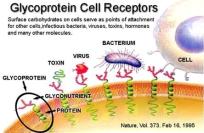
Carbohydrates are involved in cell recognition (glycoproteins, glycolipids) and energy storage. The energy in carbohydrates is stored in C–H and C–C bonds, which can be released during cellular respiration.
Proteins
Structure and Function
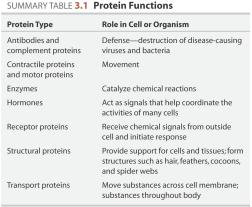
Proteins are polymers of amino acids, performing diverse functions such as catalysis (enzymes), structural support, transport, signaling, and defense. The structure of a protein determines its function.
Amino Acids and Peptide Bonds
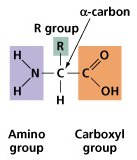
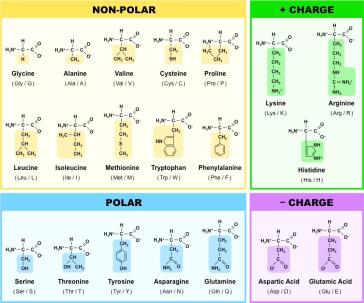
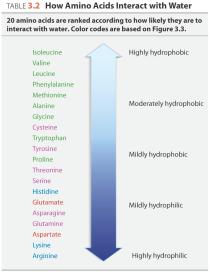
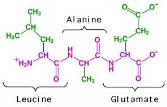
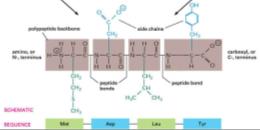
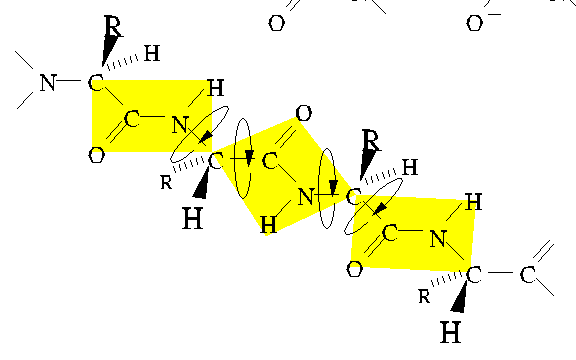
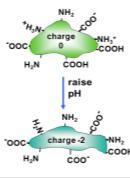
Amino acids have a central α-carbon bonded to an amino group, carboxyl group, hydrogen atom, and a variable R group. Peptide bonds form between the carboxyl group of one amino acid and the amino group of another via condensation reactions.
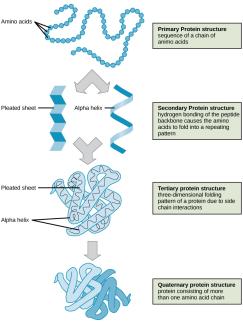
Levels of Protein Structure
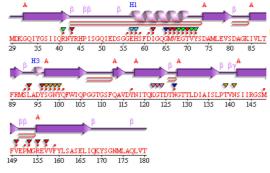
Primary Structure: Sequence of amino acids.
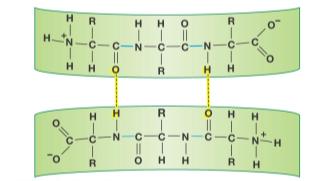
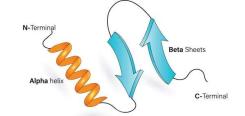
Secondary Structure: Local folding into α-helices and β-sheets via hydrogen bonds.
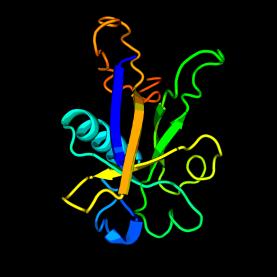
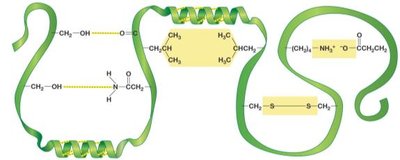
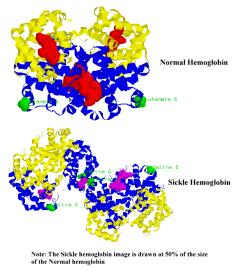
Tertiary Structure: Overall 3D shape due to R-group interactions (hydrogen bonds, ionic bonds, disulfide bridges, hydrophobic interactions).
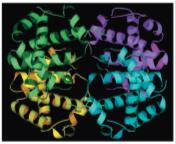
Quaternary Structure: Association of multiple polypeptide chains.
Nucleic Acids
Structure and Function
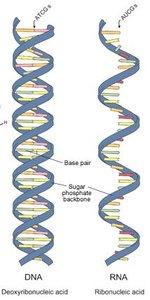
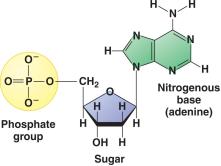
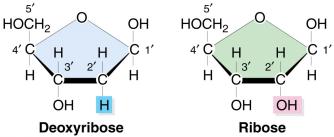
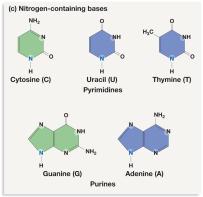
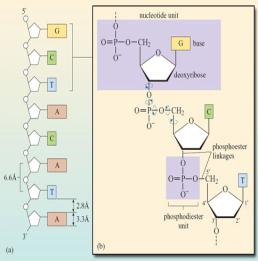
Nucleic acids (DNA and RNA) are polymers of nucleotides, which consist of a phosphate group, a five-carbon sugar (ribose or deoxyribose), and a nitrogenous base. They store and transmit genetic information.
Polymerization and Structure
Nucleotides are joined by phosphodiester bonds between the 5' phosphate of one nucleotide and the 3' hydroxyl of another. DNA is double-stranded and antiparallel, with complementary base pairing (A-T, G-C). RNA is usually single-stranded and can form complex secondary structures.
Special Nucleotide: ATP
Adenosine triphosphate (ATP) is a nucleotide that serves as the primary energy currency of the cell, driving many biological processes such as muscle contraction, molecular transport, and chemical synthesis.
Additional info: This guide covers the structure, synthesis, and function of biological macromolecules, providing foundational knowledge for further study in biochemistry and cell biology.
