 Back
Biology 189: Fundamentals of Life Science – Syllabus and Course Structure Study Guide
Study Guide - Smart Notes
 Tailored notes based on your materials, expanded with key definitions, examples, and context.
Biology 189: Fundamentals of Life Science – Syllabus and Course Structure Study Guide
Course Overview
Biology 189 is an introductory course designed to provide foundational knowledge in biological sciences for students pursuing health science majors. The course covers essential topics such as biochemistry, cell structure and function, cellular metabolism, physiology, genetics, and gene expression. It serves as a prerequisite for advanced courses like anatomy, physiology, and microbiology.
Credits: 4 (includes lecture and laboratory components)
Prerequisites: College-level English and Math with a grade of C- or better
Textbook: Campbell Biology (Pearson, 2026) and Biology 189 Lab Manual (PDFs provided)
Course Structure and Major Units
The course is organized into five major units, each focusing on key biological concepts. Lectures, assignments, and exams are scheduled to systematically cover the following topics:
Unit 1: Biology Fundamentals, Atomic Structure, Water, Acids/Bases, Carbon Chemistry
Unit 2: Biological Macromolecules (Carbohydrates, Lipids, Proteins, Nucleic Acids)
Unit 3: Cell Structure, Membrane Structure and Transport, Bioenergetics, Enzymes, ATP, Redox Reactions
Unit 4: Cellular Respiration (Glycolysis, Krebs Cycle, Electron Transport Chain), Cell Cycle, Mitosis, Meiosis, Bacterial Genetics
Unit 5: Cell Communication, Genetic Inheritance, DNA Structure and Replication, Gene Expression
Course Outcomes
Upon successful completion of Biology 189, students will be able to:
Evaluate the process of scientific inquiry and the properties of life, including chemistry and biochemistry, as organized from atoms to tissues.
Summarize the basic organization, structure, and function of biologically important molecules, biological membranes, organelles, and cells.
Assess and make conclusions about enzyme properties, cellular energetics, and basic thermodynamics as they apply to cellular processes.
Explain basic cellular activities, including cell communication and cell division for both somatic growth and sexual reproduction.
Evaluate and summarize the physical and chemical structure of DNA, and its function, including the processes of DNA replication, gene expression, and genetic inheritance.
Assessment and Grading
Student performance is evaluated through a combination of exams, quizzes, assignments, and laboratory work. The grading system is point-based, with a total of 800 points available for the course.
Assessment | Points |
|---|---|
5 Semester Exams | 400 |
Final Exam (optional, can replace lowest exam) | 80 |
Flip Lecture Assignments (5 x 15 pts) | 75 |
Pre-Lecture Quizzes (22 x 2.5 pts) | 55 |
Unit Review Quizzes (5 x 10 pts) | 50 |
Semester Review Quiz (optional, can replace lowest unit quiz) | 10 |
Laboratory | 200 |
Other Assignments (videos, surveys, syllabus signature, etc.) | 14 |
Grade Scale:
Grade | Point Range |
|---|---|
A | 716 – 800 |
B | 636 – 715 |
C | 556 – 635 |
D | 476 – 555 |
F | 0 – 475 |
Key Policies and Expectations
Attendance: Students are expected to attend all lectures and labs. Absences may affect grades due to missed assignments or activities.
Academic Integrity: Cheating, plagiarism, and use of generative AI tools are strictly prohibited. Violations result in severe penalties, including possible course failure.
Exam Procedures: All exams require the use of Respondus LockDown Browser and an EXTERNAL webcam for proctoring. Students must show their testing environment and ID before starting an exam.
Assignments: Pre-lecture homework must be handwritten and submitted in person. Flip lecture assignments require both online and in-class participation.
Laboratory: Attendance in the assigned lab section is mandatory. Prelab assignments must be completed before lab sessions.
Study Skills and Success Strategies
Success in Biology 189 requires consistent effort and effective study habits. Recommended strategies include:
Time management and regular study schedules
Active participation in lectures and labs
Taking thorough notes and reviewing them frequently
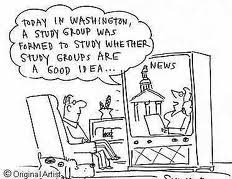
Forming study groups for collaborative learning
Utilizing campus resources such as tutoring and supplemental instruction
Asking questions and seeking help early when concepts are unclear

Student Support Services
Academic Advising and Counseling: Assistance with course planning, academic challenges, and personal concerns.
Centers for Academic Success (CAS): Free tutoring and supplemental instruction for science and math courses.
Library Services: Research workshops and librarian support for assignments.
Disability Resource Center (DRC): Accommodations for students with documented disabilities.
Financial Aid and VETS Center: Support for financial and veteran-related needs.
Canvas and Technology Help Desk: Technical support for online course components.
Important Dates and Deadlines
Last day for 100% refund: August 30
Last day for 50% refund and to drop without a grade: September 6
Last day to withdraw or change to audit: October 30
Final exam period: December 8–11
Commitment to Academic Integrity
Students must complete all work independently and adhere to the highest standards of academic honesty. The use of unauthorized resources, including generative AI, is strictly forbidden and will be penalized according to institutional policy.
Course Communication and Instructor Information
Instructor: Dr. Carrie Preite
Office Hours: Both in-person and virtual (appointment required for virtual meetings)
Email: Provided via syllabus and Canvas
Lecture Sections: Multiple sections available; students must attend their assigned section
Student Pledge
Students are required to read, understand, and sign a syllabus acknowledgment page, committing to attend all lectures and labs, complete all assignments, seek help when needed, and uphold the standards of the course.
Additional info:
This syllabus aligns closely with the standard content and learning objectives of a General Biology college course, as outlined in the provided chapter titles.
Images included are directly relevant to study skills and the online learning environment, as emphasized in the syllabus.
