Back
BackBiology: Exploring Life – Chapter 1 Study Notes
Study Guide - Smart Notes
 Tailored notes based on your materials, expanded with key definitions, examples, and context.
Biology: The Study of Life
Introduction to Biology
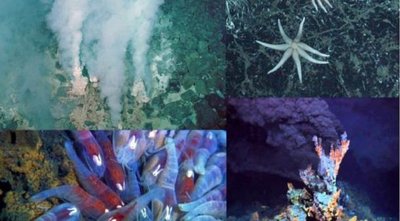
Biology is the scientific study of life, encompassing the vast diversity of living organisms found everywhere on Earth. From extreme environments such as deep-sea thermal vents to the permafrost of Antarctica, life persists in remarkable forms and adaptations.
Life is Ubiquitous: Organisms are found in all known environments, including extreme heat, cold, salinity, and pressure.
Diversity: Life exists in a multitude of forms, from microscopic bacteria to large mammals.
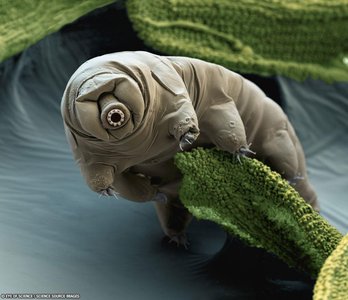
Adaptation: Some organisms, such as tardigrades, can survive extreme conditions.
Example: Tardigrades (water bears) can withstand extreme temperatures, pressures, and radiation, and survive without food or water for years.
The Characteristics of Life
Defining Life
Living things share several distinctive features that differentiate them from non-living matter. These characteristics are fundamental to all life forms.
Organization: Living things are composed of one or more cells, the basic unit of life.
Reproduction: All living things reproduce, either sexually or asexually.
Growth and Development: Organisms grow and develop according to specific instructions coded in their DNA.
Energy Utilization: Living things take in and use energy and materials from their environment.
Response to Stimuli: Organisms sense and respond to changes in their environment.
Homeostasis: Living things maintain stable internal conditions within a narrow range.
Evolution: Populations of organisms evolve over time through adaptation and natural selection.
Life’s Organization
Levels of Biological Organization
Biological organization is hierarchical, ranging from atoms to the biosphere. Each level builds upon the previous, creating complex structures and systems.
Atom: The smallest unit of an element, composed of protons, neutrons, and electrons.
Molecule: Two or more atoms bonded together.
Organelle: Membrane-bound structures within cells that perform specific functions.
Cell: The smallest structural and functional unit of life.
Tissue: Groups of cells with common structure and function.
Organ: Groups of tissues working together to perform functions.
Organ System: Groups of organs working together.
Organism: An individual living entity.
Ecological Organization
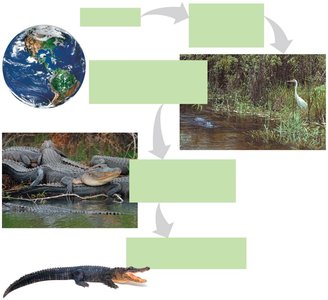
Beyond the individual organism, life is organized into populations, communities, ecosystems, and the biosphere.
Population: Organisms of the same species in a specific area.
Community: Multiple species interacting in a specific area.
Ecosystem: Community of living organisms and their non-living environment.
Biosphere: The entire Earth, including all living and non-living components.
Cells: The Fundamental Unit of Life
Cell Structure and Types
The cell is the lowest level of organization capable of performing all activities required for life. All cells are enclosed by a membrane, contain cytoplasm, and use DNA as genetic information.
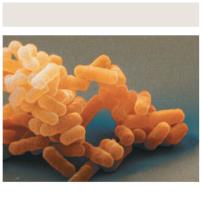
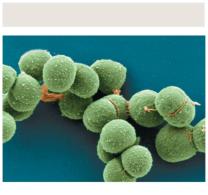
Prokaryotic Cells: Simpler, smaller, lack membrane-bound organelles, include Archaea and Bacteria.
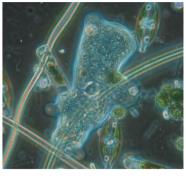
Eukaryotic Cells: Larger, more complex, contain membrane-bound organelles including a nucleus, include Plants, Animals, Fungi, and Protists.
Diversity and Classification
Biological Diversity
Diversity is a hallmark of life. Biologists have identified about 1.8 million species, with estimates ranging from 10 million to over 100 million species globally.
Classification: Organisms are classified into domains and kingdoms based on shared characteristics.
Domains: Prokarya (Eubacteria, Archaebacteria) and Eukarya (Animals, Plants, Fungi, Protists).
Domain | Kingdoms/Groups | Example |
|---|---|---|
Prokarya | Eubacteria, Archaebacteria | Bacteria |
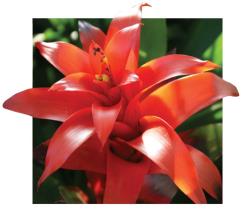
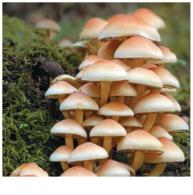
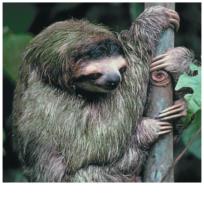
Eukarya | Animals, Plants, Fungi, Protists | Sloth, Flower, Mushroom, Amoeba |
Interactions in Ecosystems
Roles of Organisms
Organisms interact with their environment, including other organisms and physical factors. In most ecosystems, plants are producers, consumers eat plants and animals, and decomposers recycle nutrients.
Producers: Plants that provide food through photosynthesis.
Consumers: Animals that eat plants and other animals.
Decomposers: Organisms such as worms, fungi, and bacteria that recycle nutrients.


Information Flow in Biology
Genetic Information
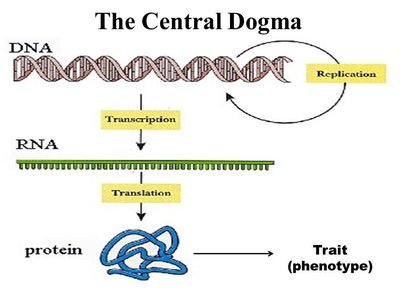
Life depends on the flow of information, primarily through DNA, which encodes instructions for building and maintaining organisms. The central dogma of molecular biology describes the flow of genetic information from DNA to RNA to protein.
DNA: Stores genetic information.
RNA: Transcribes information from DNA.
Protein: Translates information to produce traits (phenotypes).
Structure and Function
Relationship Between Structure and Function
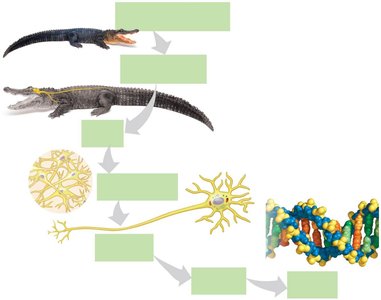
In biology, structure and function are closely related. The structure of proteins, cells, and organisms determines their function and abilities.
Proteins: Different structures perform different functions.
Cells: Muscle cells and neurons have distinct structures and functions.
Organisms: Anatomical structures enable different abilities and adaptations.
Evolution
Natural Selection and Adaptation
Evolution is the process of change that has transformed life on Earth. Natural selection is the mechanism by which advantageous traits become more common in populations over time.
Variation: Individuals in a population have traits that vary.
Heritability: Many traits are passed from parents to offspring.
Competition: More offspring are produced than survive, leading to competition.
Selection: Individuals best suited to their environment are more likely to survive and reproduce.
Artificial Selection: Humans selectively breed plants and animals for desired traits.
Dangers: Human interference can lead to antibiotic-resistant bacteria, pesticide-resistant pests, and loss of species.
The Scientific Process
Scientific Inquiry and Method
Science is based on inquiry, the search for information and explanations of natural phenomena. The scientific method is a systematic approach to investigation.
Qualitative Data: Descriptive information.
Quantitative Data: Numerical measurements.
Steps of the Scientific Method:
Observe some aspect of the natural world.
Formulate a question based on observation.
Develop hypotheses using known information.
Predict outcomes if the hypothesis is valid ("If...then..." statements).
Test the hypothesis by experimentation.
Analyze results.
Draw conclusions.
Experimental Design
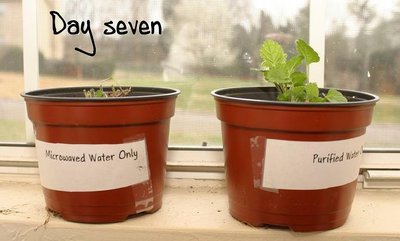
Good experiments require careful control of conditions, use of control groups, and minimization of bias. Sample size must be large enough to be representative, and double-blind studies can help reduce bias.
Control Group: Used for comparison; does not receive the experimental variable.
Experimental Group: Receives the variable being studied.
Sample Size: Larger sample sizes yield more reliable data.
Bias: Minimized through double-blind studies.