 Back
BackBiomolecules: Lipids – Structure, Types, and Biological Roles
Study Guide - Smart Notes
 Tailored notes based on your materials, expanded with key definitions, examples, and context.
Biomolecules: Lipids
Introduction to Lipids
Lipids are a diverse group of hydrophobic biomolecules that play critical roles in energy storage, membrane structure, and cellular signaling. Unlike other biomolecules, lipids are characterized by their poor solubility in water due to their extensive hydrocarbon regions.
Hydrophobic Nature: Lipids do not mix well with water, making them ideal for forming biological membranes and storing energy.
Transport in Blood: In aqueous environments such as blood, lipids are transported in association with proteins, forming lipoproteins.
Main Classes: The most biologically important lipids are fats, phospholipids, and steroids.
Functions of Lipids
Lipids serve several essential biological functions, including energy storage, insulation, and membrane structure.
Energy Storage: Lipids are an efficient form of energy storage, providing more than twice the energy per gram compared to carbohydrates.
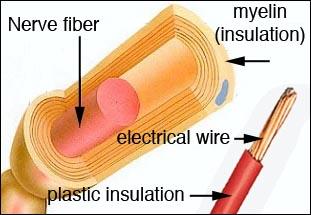
Insulation and Protection: Lipids insulate the body and protect vital organs such as the kidneys, heart, and liver. They are also found in nerve tissue, where they form insulating myelin sheaths.
Membrane Structure: Lipids are integral components of biological membranes, contributing to membrane fluidity and function.
Fats (Triacylglycerols)
Structure and Synthesis of Fats
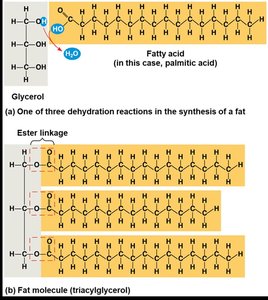
Fats, also known as triacylglycerols or triglycerides, are composed of glycerol and fatty acids. They are the primary storage form of energy in animals.
Glycerol: A three-carbon alcohol with a hydroxyl group attached to each carbon.
Fatty Acids: Long hydrocarbon chains with a carboxyl group at one end. Fatty acids can vary in length and degree of saturation.
Ester Linkage: Each fatty acid is joined to glycerol by an ester linkage, formed through a dehydration reaction.
Saturated vs. Unsaturated Fatty Acids
The properties of fats depend on the structure of their fatty acids.
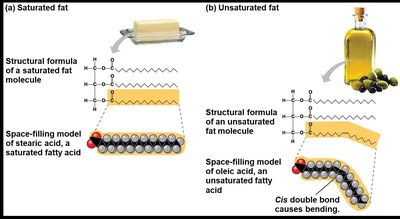
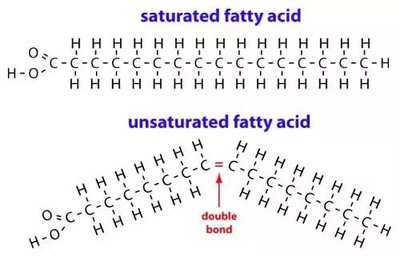
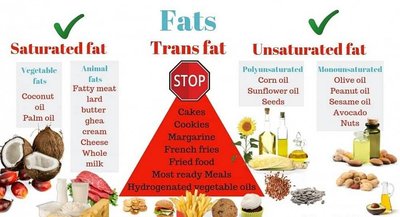
Saturated Fatty Acids: Have the maximum number of hydrogen atoms and no double bonds. They are typically solid at room temperature and are found in animal fats.
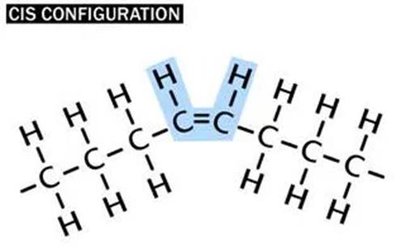
Unsaturated Fatty Acids: Contain one or more double bonds, causing kinks in the hydrocarbon chain. They are usually liquid at room temperature and are found in plant and fish oils.
Health Implications of Fats
Dietary fats have significant effects on human health, particularly in relation to cardiovascular disease.
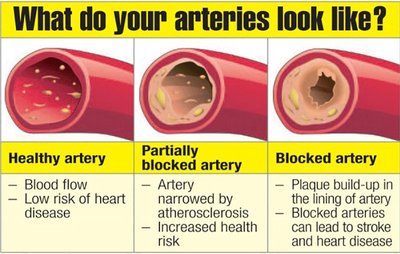
Saturated Fats: Diets high in saturated fats are associated with increased risk of atherosclerosis and heart disease due to plaque formation in arteries.
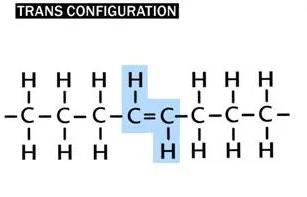
Trans Fats: Produced by hydrogenating unsaturated fats, trans fats have trans double bonds and are linked to even greater cardiovascular risk than saturated fats.
Storage and Biological Roles of Fats
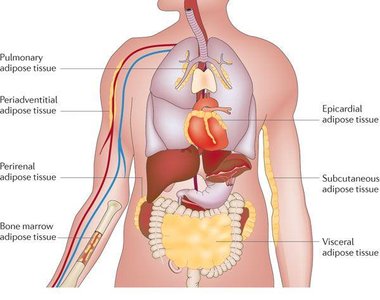
Fats are stored in specialized cells called adipocytes, which form adipose tissue. This tissue serves as a long-term energy reserve, cushions organs, and insulates the body.
Adipose Tissue: Stores fat and provides thermal insulation and mechanical protection.


Phospholipids
Structure of Phospholipids
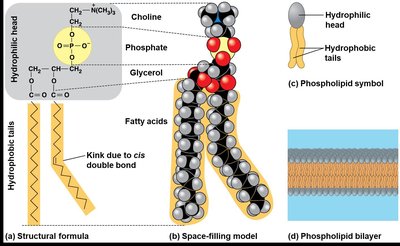
Phospholipids are major components of cell membranes. They consist of two fatty acid tails and a phosphate group attached to glycerol.
Amphipathic Nature: Phospholipids have hydrophobic tails and a hydrophilic head, allowing them to form bilayers in aqueous environments.
Phospholipid Bilayer and Membrane Structure
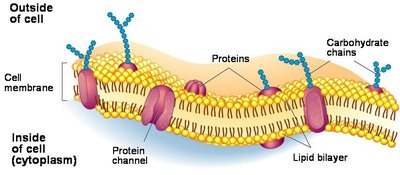
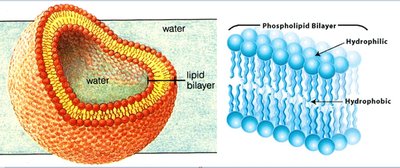
When placed in water, phospholipids spontaneously assemble into bilayers, forming the fundamental structure of cell membranes. The hydrophobic tails face inward, shielded from water, while the hydrophilic heads face outward.
Biological Membranes: The phospholipid bilayer forms a selective barrier between the cell and its environment, crucial for cellular function.
Steroids
Structure and Function of Steroids
Steroids are lipids with a characteristic structure of four fused carbon rings. They serve as important signaling molecules and membrane components.
Cholesterol: A key steroid found in animal cell membranes, cholesterol modulates membrane fluidity and serves as a precursor for other steroids, including hormones.
Health Implications: Elevated cholesterol levels, particularly low-density lipoprotein (LDL) cholesterol, are associated with increased risk of cardiovascular disease.
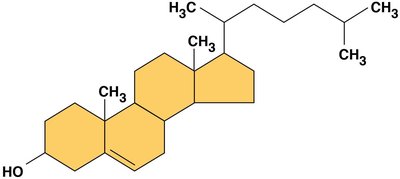
Summary Table: Types of Lipids
Lipid Type | Structure | Main Function | Example |
|---|---|---|---|
Fats (Triacylglycerols) | Glycerol + 3 fatty acids | Energy storage, insulation | Butter, olive oil |
Phospholipids | Glycerol + 2 fatty acids + phosphate group | Membrane structure | Cell membrane |
Steroids | Four fused carbon rings | Membrane fluidity, signaling | Cholesterol, hormones |
