 Back
Biomolecules: Structure, Function, and Importance in Cells
Study Guide - Smart Notes
 Tailored notes based on your materials, expanded with key definitions, examples, and context.
Biomolecules: The Building Blocks of Life
Overview of Biomolecules
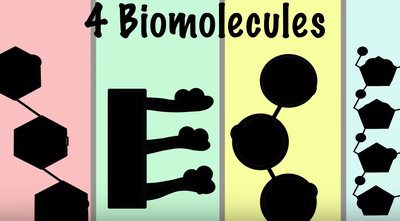
Biomolecules, also known as macromolecules, are essential organic compounds that form the structural and functional foundation of all living cells. The four major classes of biomolecules are carbohydrates, lipids, proteins, and nucleic acids. Each class has unique structures, elements, and roles in cellular processes.
Hierarchy and Analogy
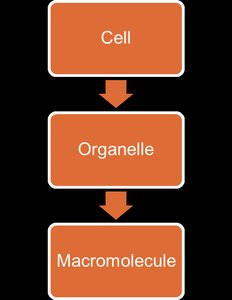
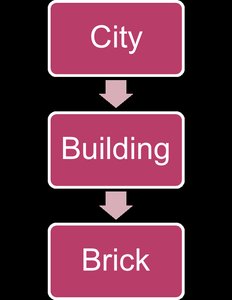
Cells are composed of organelles, which in turn are made up of macromolecules. This hierarchy can be compared to a city (cell), made of buildings (organelles), which are constructed from bricks (macromolecules).
Carbon Compounds and Organic Chemistry
Importance of Carbon
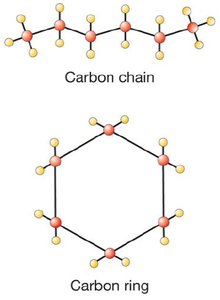
Life on Earth is carbon-based. Organic molecules are defined by the presence of carbon atoms bonded to hydrogen. Carbon atoms can form long chains or ring structures, allowing for a vast diversity of organic molecules, including all four classes of biomolecules.
Monomers and Polymers
Definitions and Relationships
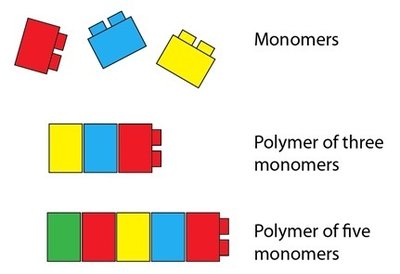
Most biomolecules are polymers, which are large molecules made by joining smaller units called monomers. For example, monosaccharides (simple sugars) are monomers that can be linked to form polysaccharides (complex carbohydrates).
Monomer: A single, repeating unit (e.g., glucose).
Polymer: A chain of monomers bonded together (e.g., starch).
Carbohydrates
Elements, Structure, and Energy
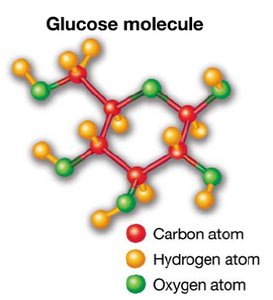
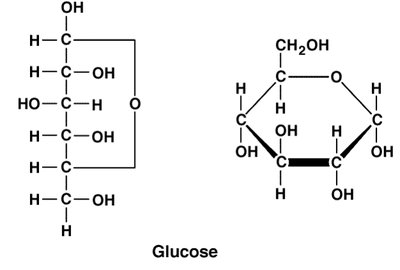
Carbohydrates are organic compounds containing carbon, hydrogen, and oxygen (CHO) in a 1:2:1 ratio. They are a primary energy source for living organisms, providing 4 calories per gram. Carbohydrates can exist as simple sugars (monosaccharides and disaccharides) or complex sugars (polysaccharides).
Dietary Sources and Caloric Value
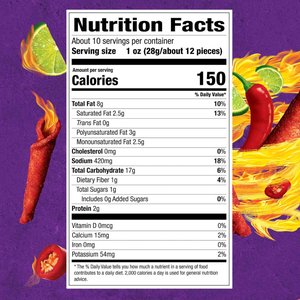
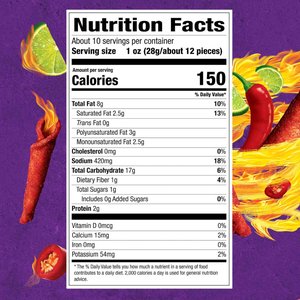
Carbohydrates are found in a wide variety of foods, including grains, fruits, vegetables, and dairy products. Nutrition labels indicate the carbohydrate content and its contribution to total caloric intake.
Types of Carbohydrates
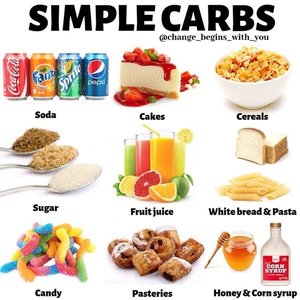
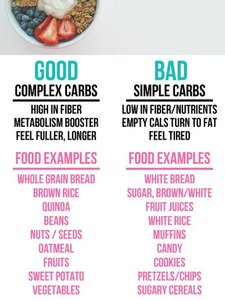
Simple Carbohydrates: Monosaccharides (e.g., glucose, fructose, galactose) and disaccharides (e.g., sucrose, lactose, maltose). These are quickly digested and provide rapid energy.
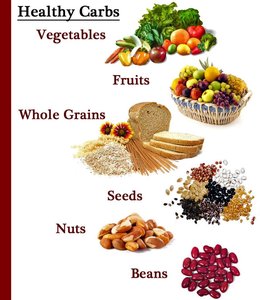
Complex Carbohydrates: Polysaccharides (e.g., starch, glycogen, cellulose, chitin). These provide sustained energy and structural support.
Functions of Carbohydrates
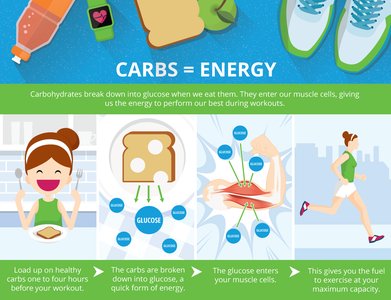
Energy: Primary and quick energy source for cells.
Structural Support: Cellulose in plants, chitin in fungi and arthropods.
Cell Recognition: Carbohydrate chains on cell membranes aid in cell recognition and signaling.
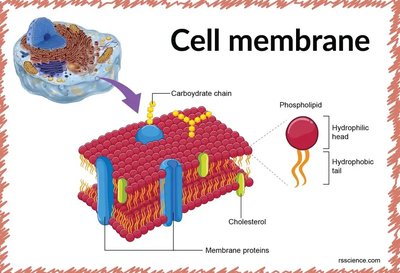
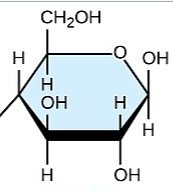
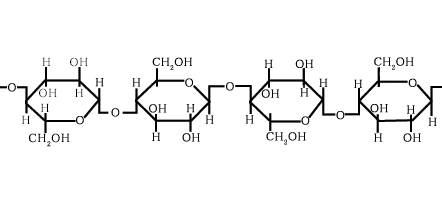
Monomers and Polymers of Carbohydrates
Monosaccharide: Single sugar unit (e.g., glucose).
Polysaccharide: Long chains of monosaccharides (e.g., starch, glycogen).
Lipids
Elements, Structure, and Energy
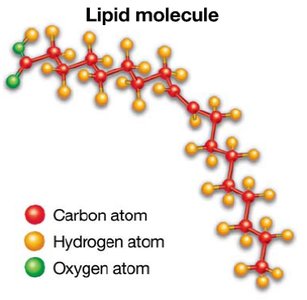
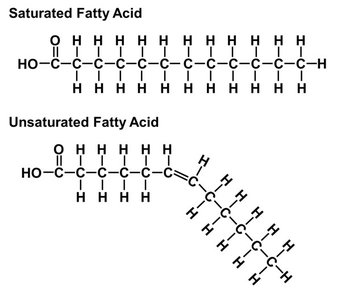
Lipids are organic compounds composed of carbon, hydrogen, and oxygen (CHO), with a hydrogen-to-oxygen ratio greater than 2:1. Lipids are hydrophobic (insoluble in water) and provide 9 calories per gram, making them the most energy-dense biomolecule.
Dietary Sources and Caloric Value
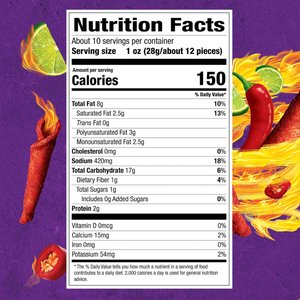
Lipids are found in foods such as oils, butter, dairy, meats, avocados, nuts, and egg yolks. Nutrition labels indicate fat content and its caloric contribution.
Examples and Types of Lipids
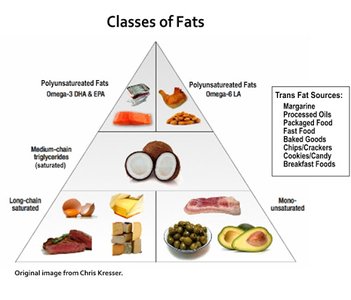
Fats (Triglycerides): Main form of stored energy in animals.
Oils: Liquid fats, often from plants.
Waxes: Protective coatings on plants and animals.
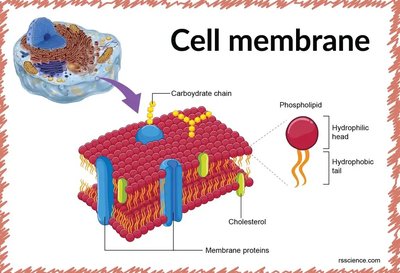
Phospholipids: Major component of cell membranes.
Steroids: Includes cholesterol and hormones.
Functions of Lipids
Long-term Energy Storage: Fats are stored for future energy needs.
Insulation: Lipids insulate organisms and protect organs.
Cell Membranes: Phospholipids and cholesterol maintain membrane structure and homeostasis.
Monomers and Polymers of Lipids
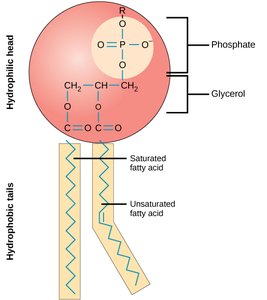
Building Blocks: Glycerol and fatty acids are the basic units. Triglycerides consist of one glycerol and three fatty acids; phospholipids have one glycerol and two fatty acids.
No True Polymer: Lipids do not form true polymers like carbohydrates or proteins.

Proteins
Elements and Energy
Proteins are complex macromolecules composed of carbon, hydrogen, oxygen, and nitrogen (CHON). They provide 4 calories per gram and are essential for structure, function, and regulation of the body's tissues and organs.
Dietary Sources
Proteins are abundant in meat, dairy, eggs, beans, nuts, seeds, and legumes.
Examples and Functions of Proteins
Structural: Collagen (skin, cartilage), keratin (hair, nails).
Transport: Hemoglobin (oxygen transport).
Enzymes: Amylase (starch breakdown).
Defense: Antibodies (immune response).
Movement: Actin and myosin (muscle contraction).
Regulation: Hormones (insulin).
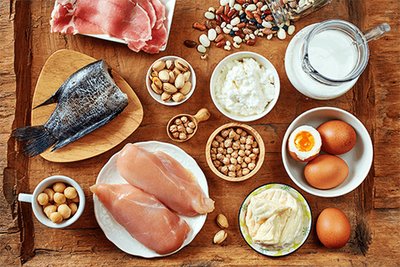
Monomers and Polymers of Proteins
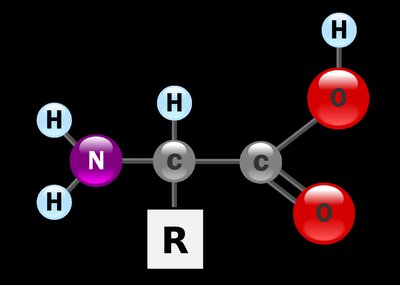
Amino Acids: The building blocks of proteins; 20 different types exist.
Polypeptides: Chains of amino acids linked by peptide bonds. The sequence of amino acids determines the protein's shape and function.
Nucleic Acids
Elements and Structure
Nucleic acids are macromolecules composed of carbon, hydrogen, oxygen, nitrogen, and phosphorus (CHONP). They do not provide energy but are vital for storing and transmitting genetic information.
Dietary Sources
All natural foods contain nucleic acids within their cells. Highly processed foods may lack nucleic acids due to degradation.
Examples of Nucleic Acids
DNA (Deoxyribonucleic Acid): Stores genetic information in the nucleus.
RNA (Ribonucleic Acid): Involved in protein synthesis (mRNA, rRNA, tRNA).
Functions of Nucleic Acids
Genetic Code: DNA contains instructions for all cellular activities, including growth, repair, reproduction, and protein synthesis.
Protein Synthesis: RNA translates genetic information into proteins.
Monomers and Polymers of Nucleic Acids
Nucleotide: The monomer, consisting of a phosphate group, a sugar (deoxyribose or ribose), and a nitrogenous base.
DNA: Double-stranded helix of nucleotides joined by hydrogen bonds.
RNA: Single-stranded chain of nucleotides.
Biomolecule | Elements | Monomer | Polymer | Main Functions |
|---|---|---|---|---|
Carbohydrate | CHO (1:2:1) | Monosaccharide | Polysaccharide | Energy, structure, cell recognition |
Lipid | CHO (>2:1 H:O) | Glycerol + Fatty Acids | None (not true polymer) | Energy storage, insulation, membranes |
Protein | CHON | Amino Acid | Polypeptide | Structure, enzymes, transport, defense |
Nucleic Acid | CHONP | Nucleotide | DNA/RNA | Genetic information, protein synthesis |
