 Back
Biomolecules: Structure, Function, and Importance in Living Systems
Study Guide - Smart Notes
 Tailored notes based on your materials, expanded with key definitions, examples, and context.
Biomolecules and Organic Compounds
Introduction to Organic Compounds
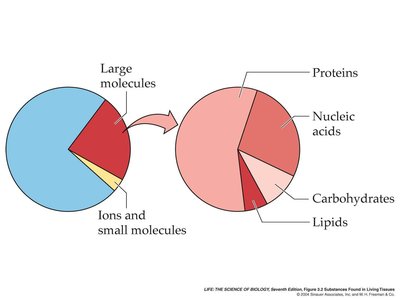
Organic compounds are the foundation of all living organisms, primarily due to the unique properties of carbon. These compounds contain carbon atoms bonded to hydrogen, often forming complex structures essential for life. - Definition: Organic compounds are substances containing carbon, especially with C–C and C–H bonds. - Importance: All living things are composed of organic compounds, making carbon the 'backbone of life.' - Structure: Organic molecules often have chain-like polymer structures formed by repeating monomer units. - Formation and Breakdown: Organic compounds are synthesized and degraded through dehydration synthesis and hydrolysis reactions. 
Properties of Carbon
Carbon's atomic structure allows it to form stable, diverse molecules. - Valence Electrons: Carbon has four valence electrons, enabling it to form four covalent bonds. - Bonding: Carbon can form single, double, and triple bonds, as well as ring structures. - Stability: Carbon is electroneutral and highly stable, making it ideal for building complex molecules. - Availability: Carbon is abundant in the environment. 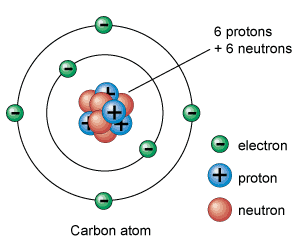
Isomerism in Organic Molecules
Isomers are molecules with the same molecular formula but different structures or spatial arrangements. - Structural Isomers: Same formula, different connectivity of atoms. - Cis-Trans Isomers: Same formula, different positioning around a double bond. - Enantiomers: Mirror-image isomers around a central carbon. 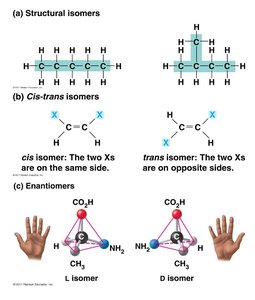
Functional Groups
Overview of Functional Groups
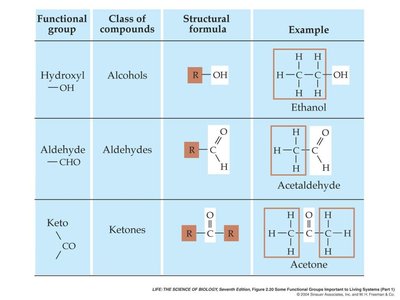
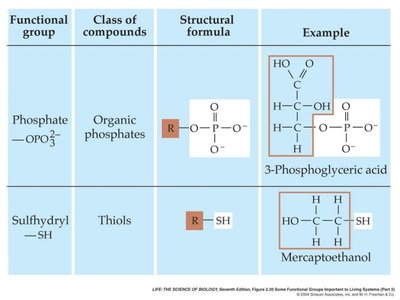
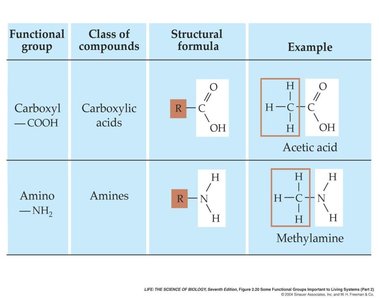
Functional groups are specific groups of atoms within molecules that confer distinct chemical properties. - Role: Functional groups determine the reactivity and interactions of organic molecules. - Examples: Hydroxyl, carboxyl, amino, sulfhydryl, methyl, and phosphate groups.
Functional Group | Class of Compounds | Structural Formula | Example |
|---|---|---|---|
Hydroxyl (–OH) | Alcohols | R–OH | Ethanol |
Aldehyde (–CHO) | Aldehydes | R–CHO | Acetaldehyde |
Keto (–CO–) | Ketones | R–CO–R | Acetone |
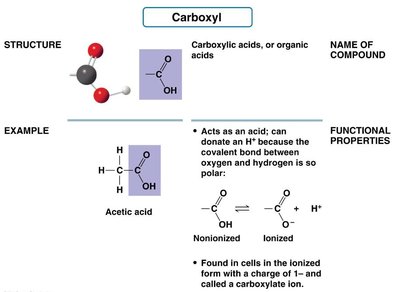
Carboxyl (–COOH) | Carboxylic acids | R–COOH | Acetic acid |
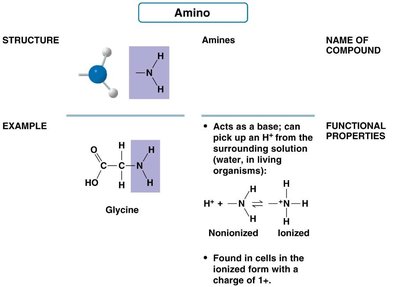
Amino (–NH2) | Amines | R–NH2 | Methylamine |
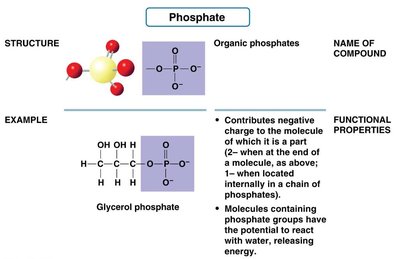
Phosphate (–OPO32–) | Organic phosphates | R–OPO32– | 3-Phosphoglyceric acid |
Sulfhydryl (–SH) | Thiols | R–SH | Mercaptoethanol |
Functional Group Properties and Examples
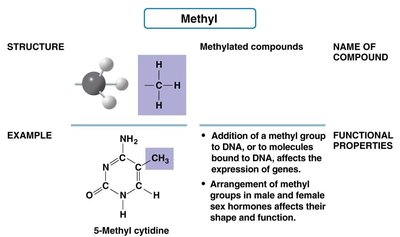
- Hydroxyl: Polar, forms hydrogen bonds, increases solubility (e.g., ethanol). - Carboxyl: Acts as an acid, donates H+ (e.g., acetic acid). - Amino: Acts as a base, accepts H+ (e.g., glycine). - Sulfhydryl: Forms disulfide bonds, stabilizes protein structure (e.g., cysteine). - Methyl: Affects gene expression and molecular function (e.g., 5-methyl cytidine). - Phosphate: Contributes negative charge, involved in energy transfer (e.g., glycerol phosphate). 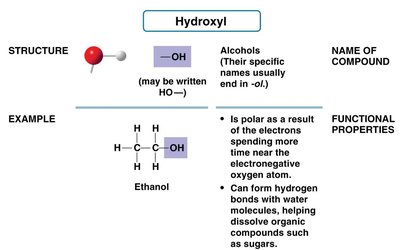
Polymerization Reactions
Dehydration Synthesis and Hydrolysis
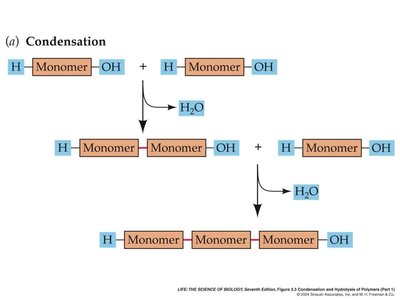
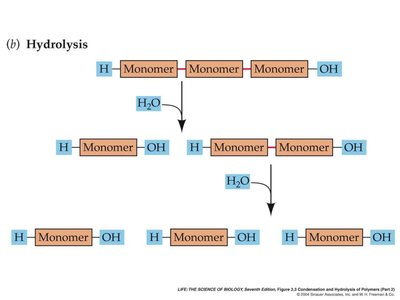
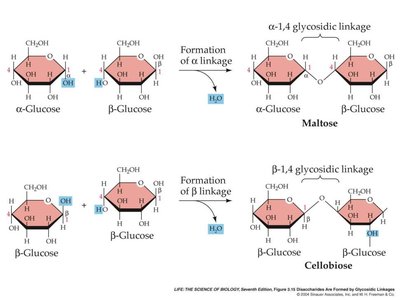
Biological macromolecules are formed and broken down by specific chemical reactions. - Dehydration Synthesis (Condensation): Monomers are joined by removing a water molecule, forming a covalent bond. - Hydrolysis: Polymers are broken down into monomers by adding water, breaking covalent bonds. 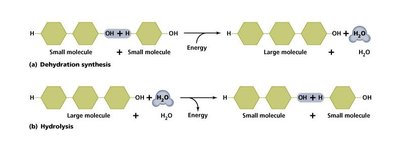
Carbohydrates
Structure and Function of Carbohydrates
Carbohydrates are essential biomolecules that provide energy and structural support. - Composition: Contain carbon, hydrogen, and oxygen in a 1:2:1 ratio. - Monomers: Monosaccharides (simple sugars). - Polymers: Polysaccharides (complex carbohydrates). - Functions: Main source of quick energy, structural components in cells, and biological markers. 
Types of Carbohydrates
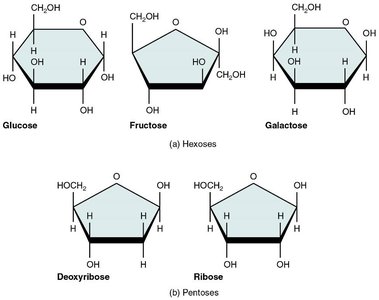
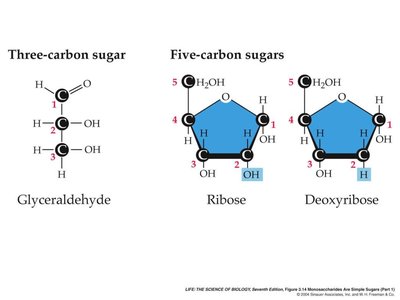
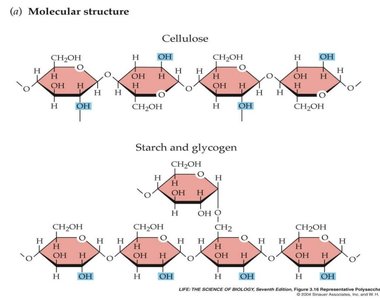
- Monosaccharides: Single sugar units (e.g., glucose, fructose, galactose, ribose). - Disaccharides: Two monosaccharides joined (e.g., sucrose, lactose). - Oligosaccharides: 3–20 monosaccharides, often found in glycoproteins. - Polysaccharides: Hundreds to thousands of monosaccharides (e.g., starch, glycogen, cellulose, chitin). 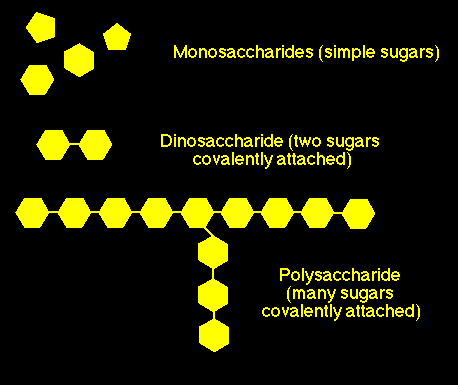
Polysaccharide Structure and Function
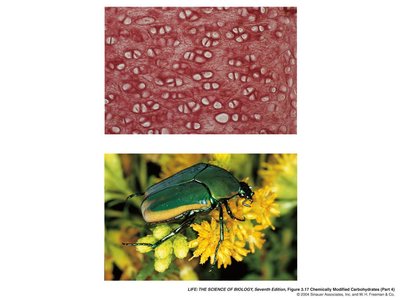
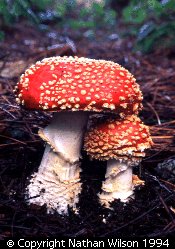
- Cellulose: Linear chains, structural component of plant cell walls. - Starch: Branched chains, energy storage in plants. - Glycogen: Highly branched, energy storage in animals. - Chitin: Structural component in fungal cell walls and arthropod exoskeletons. 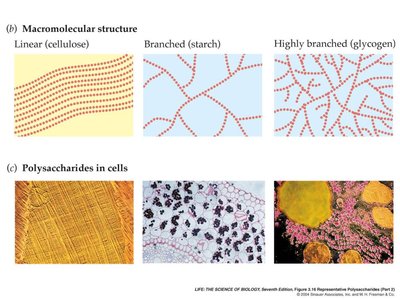
Lipids
Structure and Function of Lipids
Lipids are hydrophobic molecules essential for energy storage, membrane structure, and signaling. - Composition: Contain carbon, hydrogen, and oxygen (sometimes phosphorus). - Properties: Nonpolar, water-insoluble, held together by van der Waals forces. - Monomers: Fatty acids and glycerol. - Polymers: Triglycerides. - Functions: Long-term energy storage, membrane formation, insulation, and protection.
Type of Lipid | State at Room Temp | Example |
|---|---|---|
Fats (saturated) | Solid | Lard, butter |
Oils (unsaturated) | Liquid | Olive oil, vegetable oil |
Waxes | Varies | Paraffin, plant cuticles |
Steroids | Regulatory | Hormones, vitamins |
Phospholipids | Membranes | Cell membranes |
Phospholipids and Steroids
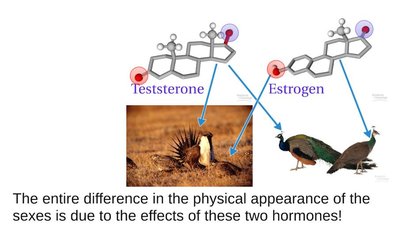
- Phospholipids: Have hydrophilic phosphate heads and hydrophobic fatty acid tails, forming the basis of cell membranes. - Steroids: Lipid-based hormones (e.g., cholesterol, testosterone, estrogen, vitamin D) with a characteristic ring structure.
Nucleic Acids
Structure and Function of Nucleic Acids
Nucleic acids store and transmit genetic information. - Types: DNA (deoxyribonucleic acid) and RNA (ribonucleic acid). - Monomers: Nucleotides, each consisting of a sugar, phosphate group, and nitrogenous base. - Bases: Purines (adenine, guanine) and pyrimidines (cytosine, thymine, uracil).
ATP: The Energy Currency
- ATP (Adenosine Triphosphate): A nucleotide that stores and releases energy for cellular processes. Equation:
Proteins
Structure and Function of Proteins
Proteins are versatile biomolecules involved in structure, function, and regulation of tissues and organs. - Composition: Contain carbon, hydrogen, oxygen, nitrogen, and sometimes sulfur. - Monomers: Amino acids (20 types, 8 essential). - Polymers: Polypeptides (proteins). - Functions: Structural support, catalysis (enzymes), transport, movement, defense, and regulation.
Levels of Protein Structure
- Primary: Linear sequence of amino acids. - Secondary: Alpha-helix and beta-pleated sheet structures stabilized by hydrogen bonds. - Tertiary: Three-dimensional folding due to R-group interactions. - Quaternary: Association of multiple polypeptide chains (e.g., hemoglobin).
Protein Denaturation
- Denaturation: Loss of protein structure (and function) due to heat, pH changes, or chemicals. - Chaperonins: Special proteins that help refold denatured proteins.
Enzymes
Enzymes are protein catalysts that speed up biochemical reactions by lowering activation energy. - Specificity: Enzymes are highly specific for their substrates. - Induced Fit Model: Enzyme changes shape to fit the substrate. - Optimal Conditions: Each enzyme functions best at a specific pH and temperature. - Cofactors and Coenzymes: Non-protein helpers required for enzyme activity (e.g., iron in hemoglobin).
Enzyme Regulation
- End Product (Negative Feedback) Inhibition: Product buildup inhibits the first enzyme in a pathway. - Allosteric Inhibition: Molecule binds to enzyme, changing its shape and activity. - Competitive Inhibition: Similar-shaped molecule competes with substrate for active site.
Metabolic Pathways
Metabolic pathways are orderly sequences of enzyme-catalyzed reactions. - Importance: Each step requires a specific enzyme; missing enzymes can cause metabolic disorders (e.g., phenylketonuria). Example Pathway: Additional info: This summary covers the core biomolecules (carbohydrates, lipids, proteins, nucleic acids), their structure, function, and the chemical principles underlying their formation and breakdown, as well as enzyme function and regulation, all of which are foundational to General Biology.
