 Back
Biomolecules: Structure, Function, and Synthesis in General Biology
Study Guide - Smart Notes
 Tailored notes based on your materials, expanded with key definitions, examples, and context.
Biomolecules and Macromolecules
Overview of Biological Macromolecules
Biological macromolecules are essential for cellular structure and function. Cells synthesize large organic molecules from a limited set of small molecules, primarily through the formation of polymers from monomers. The four major classes of biomolecules are nucleic acids, proteins, carbohydrates, and lipids. These macromolecules constitute the dry mass of cells, with water making up about 80% of cellular content.
Polymers: Long chains of monomers, formed by dehydration synthesis.
Monomers: Small molecular units that serve as building blocks for polymers.
Macromolecules: Large molecules, often polymers, essential for life.
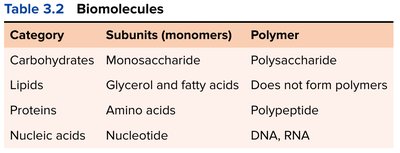
Category | Subunits (Monomers) | Polymer |
|---|---|---|
Carbohydrates | Monosaccharide | Polysaccharide |
Lipids | Glycerol and fatty acids | Does not form polymers |
Proteins | Amino acids | Polypeptide |
Nucleic acids | Nucleotide | DNA, RNA |
Polymer Synthesis and Breakdown
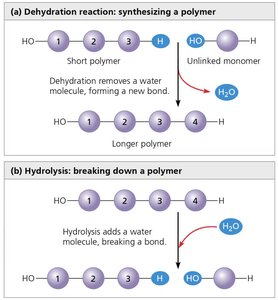
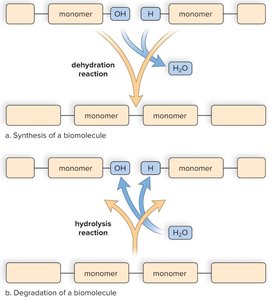
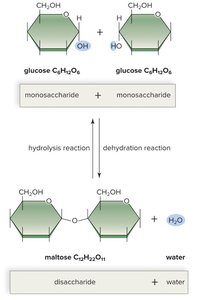
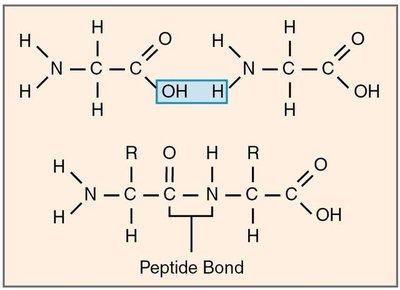
Cells build and break down polymers through two key chemical reactions: dehydration synthesis and hydrolysis. Dehydration synthesis links monomers by removing water, while hydrolysis breaks polymers by adding water.
Dehydration Synthesis: Joins monomers, releasing water.
Hydrolysis: Splits polymers, consuming water.
Elemental Composition of Cells
Major Elements in Biomolecules
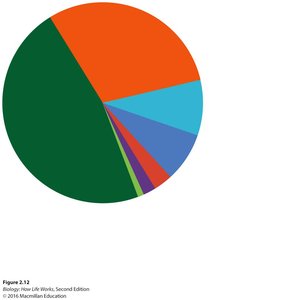
Cells are composed primarily of carbon, oxygen, hydrogen, nitrogen, phosphorus, and sulfur. Carbon is the most abundant element in organic molecules, serving as the backbone for molecular diversity.
Carbon (C): 47%
Oxygen (O): 30%
Hydrogen (H): 9%
Nitrogen (N): 8%
Phosphorus (P): 3%
Magnesium (Mg): 2%
Others: 1%
Carbon: The Chemical Backbone of Life
Properties of Carbon
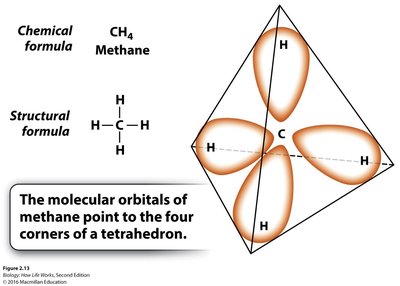
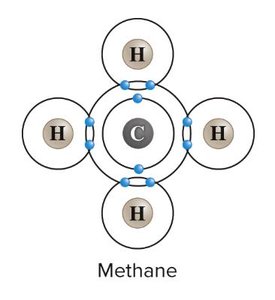
Carbon atoms can form four covalent bonds, allowing for a variety of molecular shapes and functions. This versatility is the foundation of organic chemistry and biological diversity.
Can bond to four other atoms.
Forms chains, branches, and rings.
Each bond can rotate freely, enabling complex structures.
Carbon Skeletons and Molecular Diversity
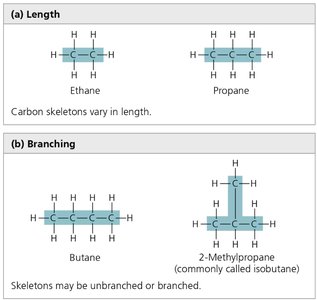
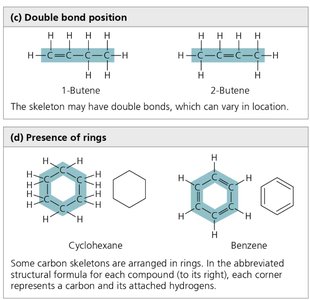
Carbon skeletons vary in length, branching, double bond position, and ring formation, contributing to the diversity of organic molecules.
Length: Ethane, propane
Branching: Butane, isobutane
Double bond position: 1-butene, 2-butene
Presence of rings: Cyclohexane, benzene
Functional Groups in Biomolecules
Key Functional Groups
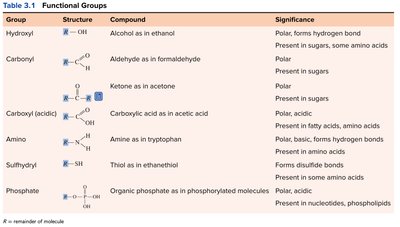
Functional groups are specific groups of atoms attached to the carbon backbone, determining the chemical properties and reactivity of molecules. Only a few functional groups are responsible for the structural and functional diversity of life.
Group | Structure | Compound | Significance |
|---|---|---|---|
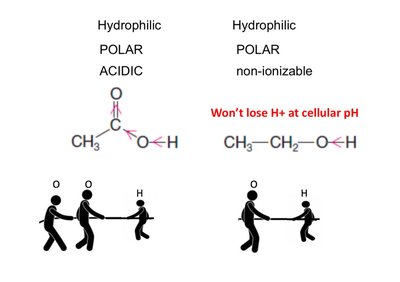
Hydroxyl | –OH | Alcohol (ethanol) | Polar, forms hydrogen bonds |
Carbonyl | –C=O | Aldehyde, ketone | Polar, present in sugars |
Carboxyl | –COOH | Carboxylic acid | Polar, acidic |
Amino | –NH2 | Amine | Polar, basic |
Sulfhydryl | –SH | Thiols | Forms disulfide bonds |
Phosphate | –PO4 | Organic phosphate | Polar, acidic |
Carbohydrates
Structure and Function
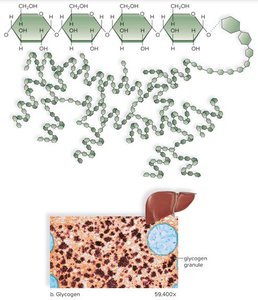
Carbohydrates are composed of monosaccharides (simple sugars) and serve as energy sources and structural components. Polysaccharides are formed by linking monosaccharides via dehydration synthesis.
Monosaccharide: Glucose (C6H12O6)
Disaccharide: Maltose (C12H22O11)
Polysaccharide: Glycogen, starch, cellulose
Lipids
Structure and Function
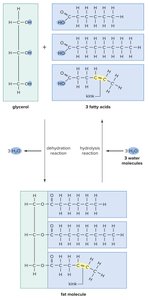
Lipids are hydrophobic molecules, including fats, oils, and phospholipids. Fats are formed by joining glycerol and fatty acids via dehydration synthesis, resulting in triglycerides.
Glycerol: Three-carbon alcohol
Fatty acids: Long hydrocarbon chains
Triglyceride: Glycerol + 3 fatty acids
Proteins
Structure and Function
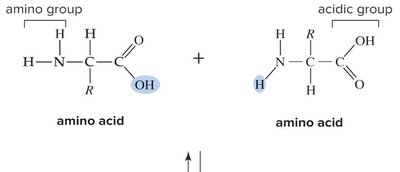
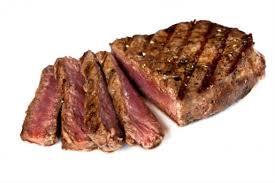
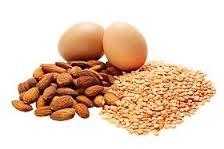
Proteins are polymers of amino acids, linked by peptide bonds. They serve as enzymes, structural components, and signaling molecules. The structure of proteins is hierarchical: primary, secondary, tertiary, and quaternary.
Primary structure: Sequence of amino acids
Secondary structure: Alpha helices and beta sheets formed by hydrogen bonding
Tertiary structure: 3D folding due to side chain interactions
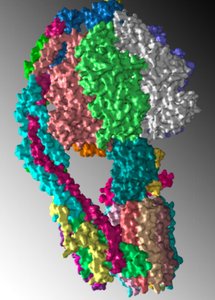
Quaternary structure: Multiple polypeptide chains interacting
Protein Folding and Function
The chemical nature of amino acid side chains determines protein folding and function. Changes in pH or temperature can denature proteins, altering their shape and activity.
Hydrophobic side chains: Fold inward
Hydrophilic side chains: Interact with water
Acidic/basic side chains: Form ionic bonds
Nucleic Acids
Structure and Function
Nucleic acids (DNA and RNA) are polymers of nucleotides. DNA stores genetic information, while RNA is involved in protein synthesis. Nucleotides consist of a sugar, phosphate group, and nitrogenous base.
DNA: Double-stranded helix, stable, bases A, G, C, T
RNA: Single-stranded, less stable, bases A, G, C, U
Nucleotide: Sugar (ribose or deoxyribose), phosphate, base
DNA Structure and Replication
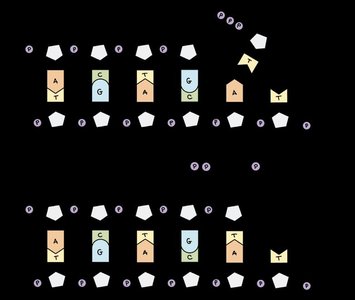
DNA strands are antiparallel and held together by hydrogen bonds between complementary bases. Replication involves separating strands and synthesizing new ones using base-pairing rules.
Phosphodiester bonds: Link nucleotides in a strand
Base pairing: A-T (2 H-bonds), G-C (3 H-bonds)
Antiparallel orientation: 5' to 3' directionality
Class Recap and Key Concepts
pH: Impacts biomolecule structure and function
Role of carbon: Backbone of biomolecules
Functional groups: Determine chemical properties
Polymer synthesis and breakdown: Dehydration synthesis and hydrolysis
Additional info: This study guide expands on brief lecture notes by providing definitions, examples, and tables for clarity. All images included directly reinforce the explanations and are essential for understanding the molecular processes described.
