 Back
Biomolecules: Structure, Properties, and Functions
Study Guide - Smart Notes
 Tailored notes based on your materials, expanded with key definitions, examples, and context.
Biomolecules and the Importance of Carbon
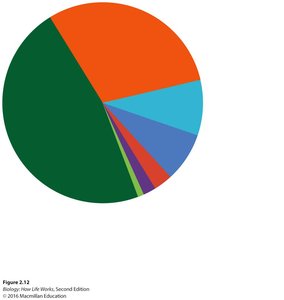
Elemental Composition of Living Matter
Living organisms are composed primarily of a few key elements, with carbon as the most abundant, followed by oxygen, hydrogen, and nitrogen. These elements form the backbone of biological molecules.
Carbon (C): 47%
Oxygen (O): 30%
Hydrogen (H): 9%
Nitrogen (N): 8%
Others: Phosphorus, Sulfur, Potassium, Calcium, Sodium, Chlorine, Magnesium, etc.
Carbon: Life’s Chemical Backbone
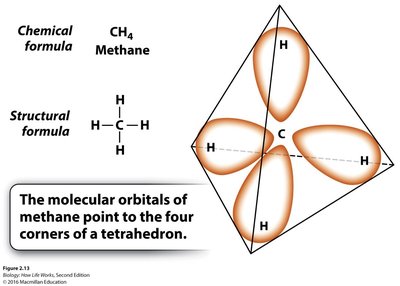
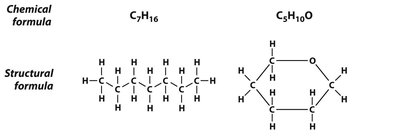
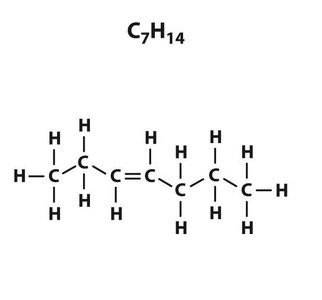
Carbon is unique in its ability to form four covalent bonds, allowing it to create a diversity of molecular structures essential for life. These include straight chains, branched chains, rings, and double bonds.
Organic compounds: Molecules containing carbon-carbon bonds.
Building blocks: Carbon forms the basis of the four major biomolecules: carbohydrates, nucleic acids, lipids, and proteins.
Functional Groups in Biological Molecules
Definition and Importance
Functional groups are specific groups of atoms within molecules that are responsible for the characteristic chemical reactions of those molecules. They are attached to the carbon backbone and determine the properties and reactivity of organic compounds.
Hydroxyl (-OH): Found in alcohols; polar and hydrophilic.
Carbonyl (C=O): Found in aldehydes and ketones; polar.
Carboxyl (-COOH): Found in acids; acidic and can donate H+.
Amino (-NH2): Found in amines; basic and can accept H+.
Phosphate (-PO4): Found in nucleotides; important in energy transfer.
Macromolecules: Structure and Synthesis
Monomers and Polymers
Macromolecules are large biological molecules formed by joining smaller units called monomers. The four main classes are:
Proteins: Polymers of amino acids (~50% of cell dry mass).
Nucleic acids: Polymers of nucleotides (~15%).
Carbohydrates: Polymers of monosaccharides (~15%).
Lipids: Not true polymers, but assembled from smaller molecules (~15%).
Polymerization: Dehydration Synthesis and Hydrolysis
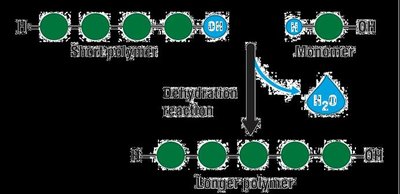
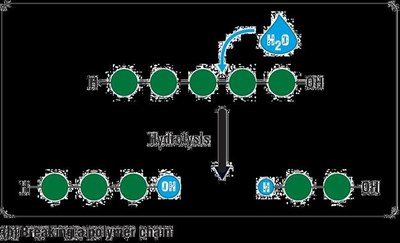
Macromolecules are synthesized by dehydration synthesis (removal of water to form bonds) and broken down by hydrolysis (addition of water to break bonds). Both processes require enzymes.
Proteins: Structure and Function
Amino Acids: Monomers of Proteins
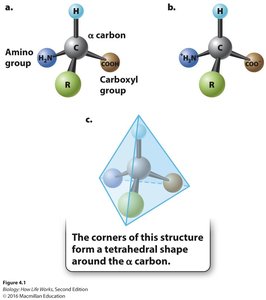
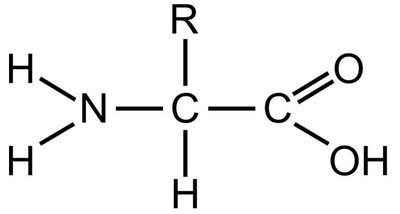
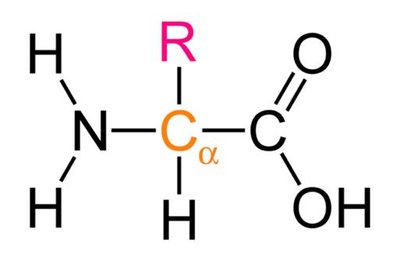
Proteins are polymers made of amino acid monomers. Each amino acid has a central carbon (α-carbon) bonded to an amino group, a carboxyl group, a hydrogen atom, and a variable side chain (R group).
Peptide bonds: Link amino acids via dehydration synthesis.
Side chains: Determine the properties and folding of proteins.
Levels of Protein Structure
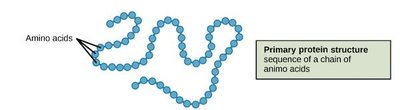
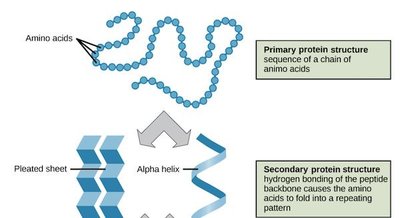
Primary structure: Sequence of amino acids connected by peptide bonds.
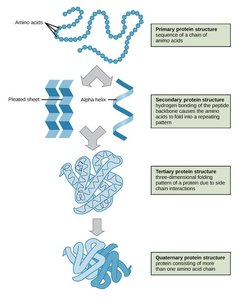
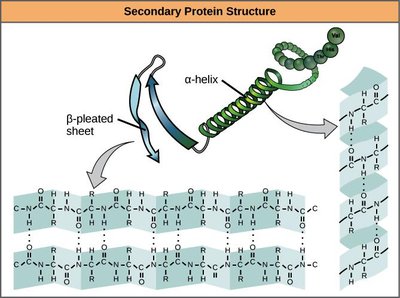
Secondary structure: Hydrogen bonding between backbone groups forms α-helices and β-sheets.
Tertiary structure: 3D folding due to interactions among side chains (hydrophobic, ionic, hydrogen bonds).
Quaternary structure: Multiple polypeptide chains interact to form a functional protein.
Protein Denaturation
Changes in environmental conditions (such as heat or pH) can disrupt hydrogen and ionic bonds, causing proteins to lose their structure and function (denaturation).
Nucleic Acids: DNA and RNA
Structure and Function
Nucleic acids are polymers of nucleotides. DNA stores genetic information, while RNA is involved in protein synthesis and regulation.
Nucleotide: Composed of a phosphate group, a five-carbon sugar (ribose or deoxyribose), and a nitrogenous base.
DNA: Double-stranded helix, stable, bases A, G, C, T.
RNA: Single-stranded, less stable, bases A, G, C, U.
Nucleotide Polymerization
Nucleotides are joined by phosphodiester bonds via dehydration synthesis, giving nucleic acids directionality (5' to 3').
Base Pairing and Replication
Complementary base pairing: A-T (DNA), G-C (DNA and RNA), A-U (RNA).
Replication: Each strand serves as a template for a new strand, ensuring accurate genetic transmission.
ATP: Cellular Energy Currency
Adenosine triphosphate (ATP) is a nucleotide that stores and transfers energy within cells, primarily produced in mitochondria.
Summary Table: Biomolecules
Class | Monomer | Polymer | Example |
|---|---|---|---|
Proteins | Amino acid | Polypeptide/protein | Enzymes, structural proteins |
Nucleic acids | Nucleotide | DNA/RNA | Genetic material |
Carbohydrates | Monosaccharide | Polysaccharide | Starch, cellulose |
Lipids | Fatty acid, glycerol | Triglyceride, phospholipid | Cell membrane, energy storage |
Additional info: The notes above expand on the original content by providing definitions, examples, and context for each biomolecule class, as well as the chemical principles underlying their structure and function.
