 Back
Birds: Evolution, Anatomy, Adaptations, and Diversity
Study Guide - Smart Notes
 Tailored notes based on your materials, expanded with key definitions, examples, and context.
Birds: Evolution, Anatomy, Adaptations, and Diversity
Introduction to Birds (Class: Aves)
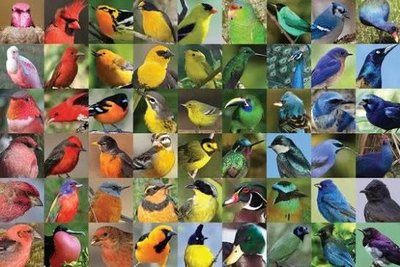
Birds are a highly diverse group of vertebrates characterized by feathers, wings, and adaptations for flight. They are classified within the class Aves and are considered feathered dinosaurs, having evolved from theropod reptiles during the Jurassic period.
Birds are the only extant group of dinosaurs.
They exhibit a wide range of forms, behaviors, and ecological niches.
Modern birds are descendants of ancient reptiles and share many anatomical features with them.
Evolutionary Origins of Birds
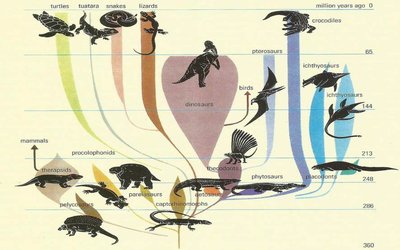
Birds evolved approximately 150 million years ago, with fossil evidence tracing their ancestry to theropod dinosaurs. The earliest undisputed bird fossil is Archaeopteryx lithographica, which displays both reptilian and avian features.
Archaeopteryx: Earliest known bird, possessing feathered wings, a light skeleton, elongated forelimbs, and a mix of reptilian traits (jaw with teeth, claws on wings, bony tail).
Protoavis: A controversial fossil predating Archaeopteryx, lacking feathers and considered fragmentary.
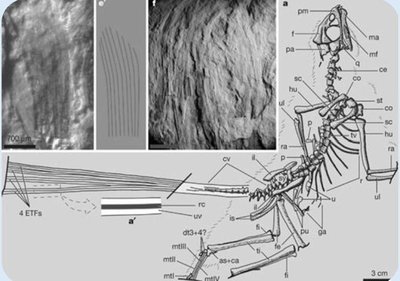
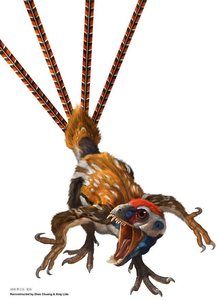
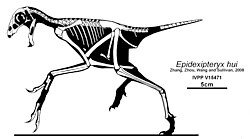
Epidexipteryx hui: A feathered dinosaur from the Jurassic period, not a true bird but important in understanding feather evolution.
Phylogeny and Evolutionary Relationships
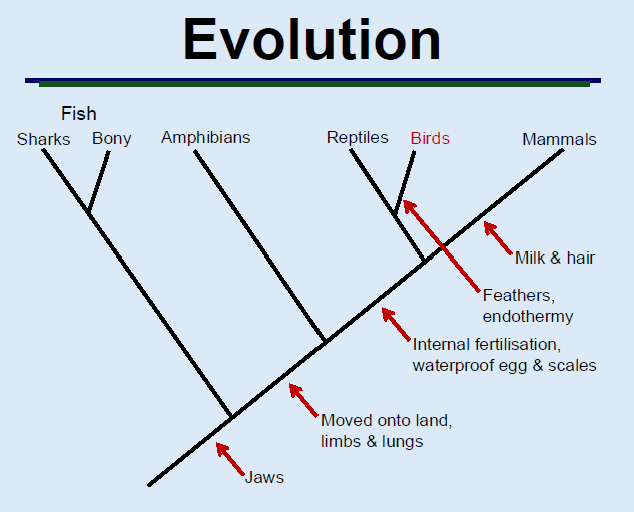
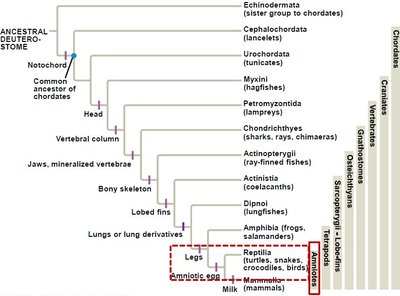
Birds are part of the evolutionary lineage of reptiles, specifically theropod dinosaurs. Their evolutionary history is illustrated by phylogenetic trees and cladograms, showing their relationship to other vertebrates.
Birds share common ancestry with reptiles and are closely related to dinosaurs.
Key evolutionary innovations include feathers, endothermy, and the amniotic egg.
Adaptations for Flight
Birds possess numerous anatomical and physiological adaptations that enable flight, including lightweight bones, specialized muscles, and efficient respiratory systems.
Wings: Modified forelimbs with an aerofoil shape to produce lift.
Feathers: Modified scales made of keratin, providing insulation, waterproofing, camouflage, and aiding in flight.
Lightweight skeleton: Hollow bones (pneumatic), fused bones for rigidity, and an enlarged sternum (keel) for muscle attachment.
Air sacs: Elastic air sacs connected to lungs, allowing continuous, unidirectional airflow and maximizing oxygen uptake.
Endothermy: Birds generate their own body heat and maintain a constant internal temperature (homeothermy).
Keratin beak: Lightweight, adapted for diverse feeding strategies.
Feathers: Structure and Function
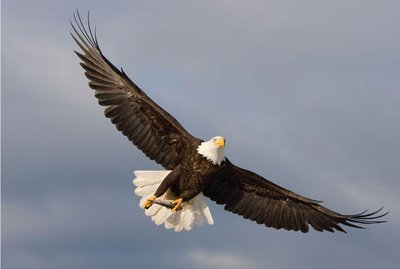
Feathers are a defining characteristic of birds, serving multiple functions beyond flight.
Structure: Central shaft (rachis) branches into barbs and barbules with hooks, forming a smooth, windproof surface.
Functions: Flight, insulation, waterproofing, camouflage, courtship displays, and sexual selection.
Feathers are replaceable and can be oiled or waxed for waterproofing.

Beaks and Feeding Adaptations
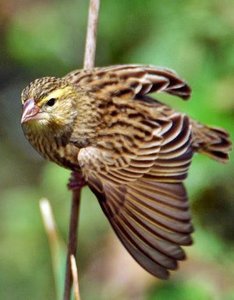
Birds exhibit a wide variety of beak shapes and sizes, each adapted to specific feeding strategies and ecological niches.
Beak structure: Made of keratin, lightweight, and adapted for feeding, defense, preening, nest building, and courtship.
Examples: Seed-eating finches, insectivorous flycatchers, fish-eating puffins, nectar-feeding hummingbirds, raptors with meat-eating beaks.
Darwin’s Finches and Adaptive Radiation
Darwin’s finches are a classic example of adaptive radiation, where a single ancestral species diversified into multiple species with different beak shapes and feeding strategies.
Demonstrates natural selection and descent with modification.
Beak size and shape evolved to match diet and ecological niche.
Bird Skeleton and Musculature
Birds have a unique skeletal structure optimized for flight.
Hollow bones: Lightweight yet strong, reinforced with internal struts.
Fused bones: Increased rigidity, e.g., pelvis and hand bones.
Enlarged sternum (keel): Provides attachment for powerful flight muscles (pectoralis and supracoracoideus).
Respiratory and Circulatory Systems
Birds have highly efficient respiratory and circulatory systems to meet the high energy demands of flight.
Air sacs: Allow continuous airflow through lungs, maximizing oxygen uptake.
Four-chambered heart: Ensures tissues are supplied with oxygen-rich blood.
Syrinx: Specialized voice box for producing complex bird songs.
Endothermy and Metabolic Rate
Birds are endothermic, maintaining a constant internal body temperature through metabolic heat production.
Feathers provide insulation, reducing heat loss.
High metabolic rate supports the energy requirements of flight.
Homeothermy allows birds to thrive in diverse environments.
Feet and Claw Diversity
Birds display a wide range of foot structures, each adapted to specific functions such as perching, grasping, swimming, and defense.
Anisodactyl: Three toes forward, one backward (perching).
Zygodactyl: Two toes forward, two backward (climbing).
Heterodactyl: Second toe reversed (unique to trogons).
Syndactyl: Two fused toes (kingfishers).
Pamprodactyl: All toes can pivot forward (swifts).
Tridactyl/Didactyl: Reduced toes (ostriches).
Raptorial feet: Strong talons for catching prey (hawks, eagles).
Webbed feet: Adapted for swimming (ducks, pelicans, grebes).
Eyesight and Sensory Adaptations
Birds possess highly developed eyesight and sensory systems, crucial for flight and predation.
Largest eyes among animals, complex structure.
Excellent color perception, including ultraviolet.
Prey species have wide field of vision; predators have binocular vision for depth perception.
Flight Mechanics
Bird flight relies on acute vision, fine muscle control, and specialized wing design.
Wing shape creates lift via Bernoulli's Principle:
Flapping generates airflow, hollow bones and large breast muscles provide power.
Parental Care and Reproduction
Birds exhibit elaborate parental care, often involving both parents.
Complex nests, bi-parental care, and hard-shelled amniotic eggs.
Allows for more frequent and successful breeding.
Derived Characteristics of Birds
Birds possess several derived traits that distinguish them from other vertebrates.
Lack a urinary bladder.
Females have one ovary.
Gonads are small except during breeding season.
Toothless beaks reduce head weight.
Hard-shelled eggs provide protection.
Bird Diversity and Classification
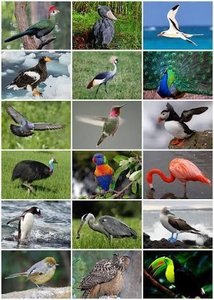
Birds are often grouped into four broad categories based on their ecological roles and adaptations.
Flightless birds (e.g., ostriches, penguins).
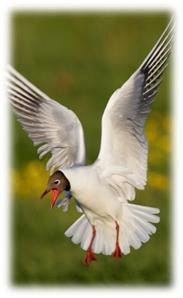
Water birds (e.g., ducks, pelicans).
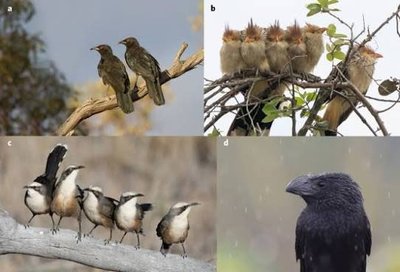
Perching birds (e.g., robins, finches).
Birds of prey (e.g., eagles, hawks).
Migration and Navigation
Many birds migrate thousands of kilometers annually, using various environmental cues for navigation.
Sun and stars: Birds use celestial cues to orient themselves.
Magnetic field: Some birds detect Earth's magnetic field for navigation.
Genetically programmed routes, fine-tuned by experience.
Flightless Birds
Flightless birds lack a sternal keel and have reduced pectoral muscles. They occupy unique ecological niches and often have large body sizes.
Examples: Ostriches, penguins.
Adapted for running or swimming rather than flight.
Summary Table: Key Bird Adaptations
Adaptation| | Function |
|---|---|
Feathers | Flight, insulation, waterproofing, camouflage, courtship |
Hollow bones | Reduce weight, increase strength |
Enlarged sternum | Attachment for flight muscles |
Air sacs | Efficient respiration |
Keratin beak | Feeding, defense, nest building |
Endothermy | Maintain constant body temperature |
Variety of feet | Perching, grasping, swimming, defense |
Good eyesight | Predation, navigation |
Parental care | Increase breeding success |
Hard-shelled eggs | Protection of offspring |
Conclusion
Birds are a remarkable group of vertebrates, exhibiting a wide array of adaptations for flight, feeding, reproduction, and survival. Their evolutionary history, anatomical features, and ecological diversity make them a central topic in General Biology.
