 Back
BackBody Systems and Animal Diversity: Porifera, Cnidaria, and Lophotrochozoans
Study Guide - Smart Notes
 Tailored notes based on your materials, expanded with key definitions, examples, and context.
Introduction to Animal Diversity and Body Systems
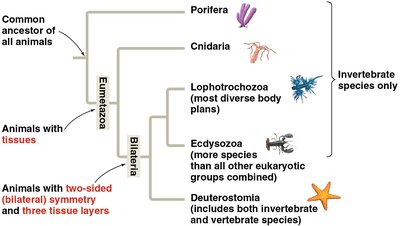
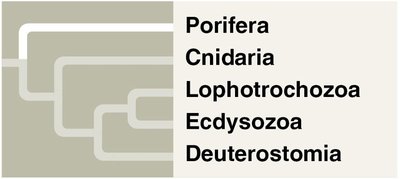
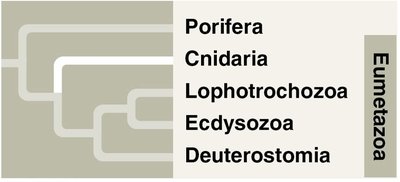
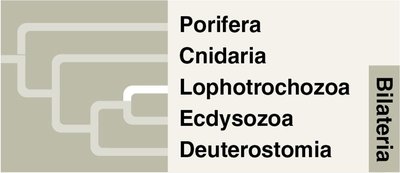
Animals are multicellular, heterotrophic eukaryotes that feed by ingestion. The animal kingdom is highly diverse, with over 1.3 million described species classified into 36 phyla. This diversity is organized into five major evolutionary groups: Porifera, Cnidaria, Lophotrochozoa, Ecdysozoa, and Deuterostomia. Many animal lineages possess specialized tissues, which are organized into organs and organ systems that maintain homeostasis. This guide explores four human organ systems and the phyla Porifera, Cnidaria, and Lophotrochozoa.
Body Systems in Animals
Digestive Systems
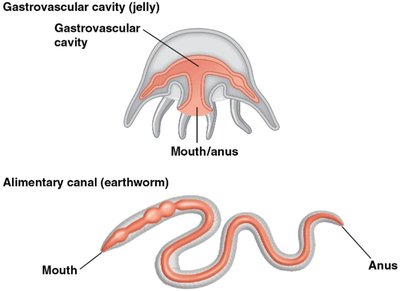
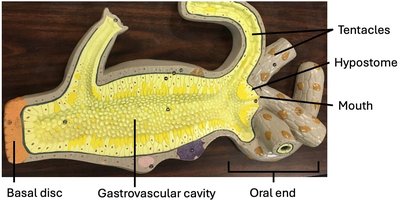
Animals digest food to obtain nutrients. Digestive systems can be incomplete (gastrovascular cavity with a single opening) or complete (alimentary canal with separate mouth and anus). Complete systems allow for specialized compartments for storage, processing, and absorption.
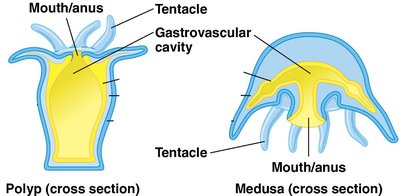
Gastrovascular cavity: A single opening serves as both mouth and anus; found in cnidarians and flatworms.
Alimentary canal: A tube with two openings (mouth and anus); found in more complex animals, including humans.
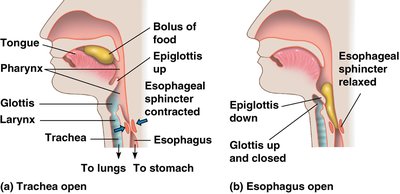
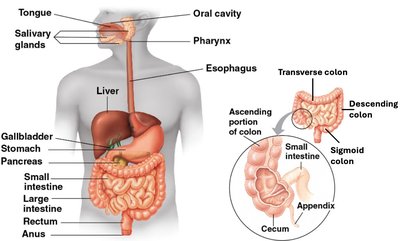
In humans, digestion begins in the mouth, where teeth and salivary glands break down food. The bolus is swallowed, passing through the pharynx and esophagus to the stomach, where chemical digestion begins. Chyme then moves to the small intestine for enzymatic breakdown and nutrient absorption, and finally to the large intestine for water reabsorption and waste elimination.
Circulatory Systems
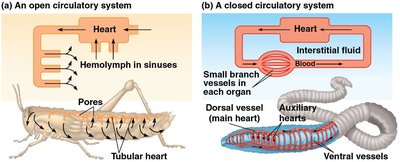
Circulatory systems transport substances and remove waste. Some animals rely on diffusion, while others have open or closed circulatory systems.
Open circulatory system: Hemolymph bathes organs directly; found in arthropods and some mollusks.
Closed circulatory system: Blood is confined to vessels; found in annelids, cephalopods, and vertebrates.
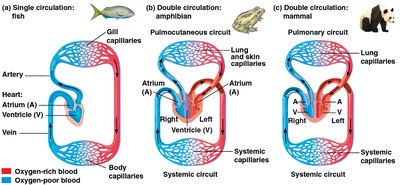
Vertebrates may have single or double circulation:
Single circulation: Blood passes through the heart once per circuit (e.g., fish).
Double circulation: Blood passes through the heart twice per circuit (e.g., amphibians, mammals).
Respiratory Systems
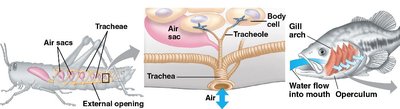
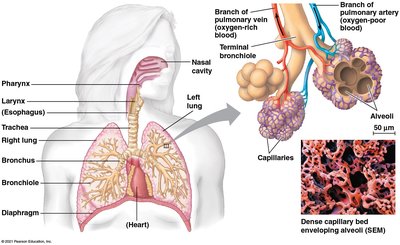
Respiratory systems exchange oxygen and carbon dioxide. Adaptations include diffusion, gills, tracheae, and lungs. In humans, air enters through the nasal cavity, passes the pharynx, larynx, and trachea, and reaches the lungs, where gas exchange occurs in alveoli.
Excretory Systems
Excretory systems remove nitrogenous waste and regulate water and electrolytes. Adaptations include protonephridia, metanephridia, Malpighian tubules, and kidneys. In humans, kidneys filter blood, forming urine that passes through ureters to the bladder and exits via the urethra.
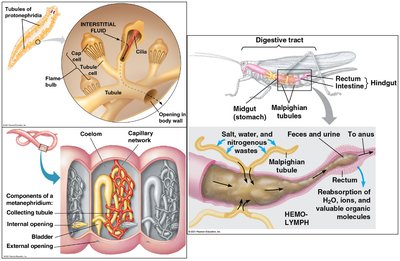
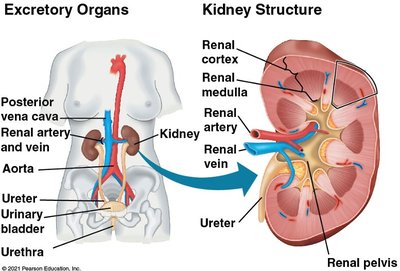
Animal Body Plans
Developmental Pathways
Animals are classified by tissue layers and developmental patterns. Diploblasts (e.g., cnidarians) have two tissue layers; triploblasts (e.g., bilaterians) have three. Triploblasts develop as protostomes (mouth forms first) or deuterostomes (anus forms first).
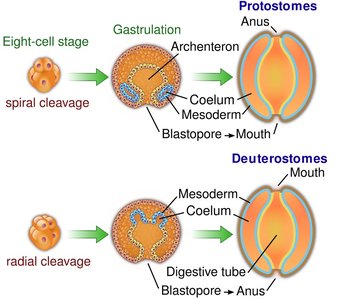
Body Symmetry
Asymmetry: No symmetry (e.g., sponges).
Radial symmetry: Multiple planes of symmetry (e.g., cnidarians).
Bilateral symmetry: Single plane divides body into right and left (e.g., most animals).
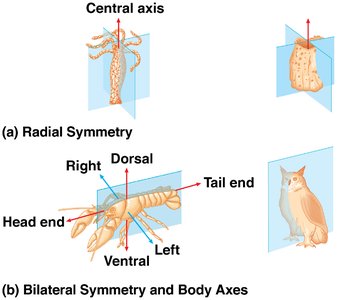
Phylum Porifera (Sponges)
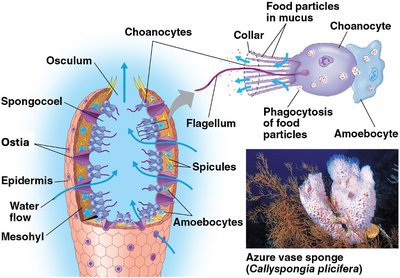
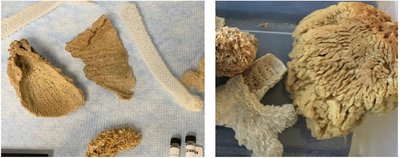
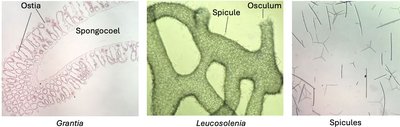
Porifera are basal animals lacking true tissues and organs. They are filter feeders with irregular symmetry. Water enters through ostia, passes into the spongocoel, and exits via the osculum. Choanocytes capture food particles, and amoebocytes digest food. Spicules provide structural support.
Phylum Cnidaria
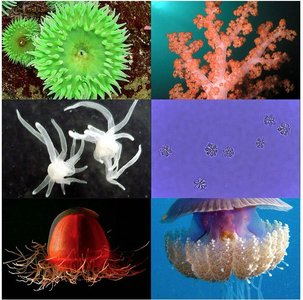
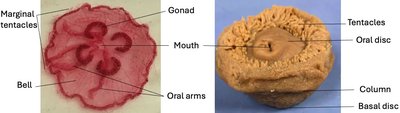
Cnidarians are eumetazoans with true tissues and radial symmetry. They have two tissue layers (diploblastic) and a gastrovascular cavity. Cnidarians exist as sessile polyps or motile medusae. Specialized stinging cells (cnidocytes) aid in predation.
Lophotrochozoans
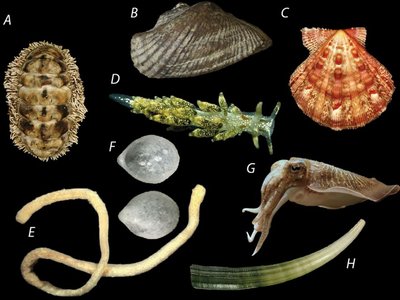
Lophotrochozoans are bilaterians with bilateral symmetry and three tissue layers. This group includes Platyhelminthes, Rotifera, Mollusca, and Annelida. Some have a lophophore for feeding, others a trochophore larval stage. Molluscs share a body plan with a muscular foot, visceral mass, and mantle cavity. Major mollusc groups include chitons, gastropods, bivalves, and cephalopods.
Summary Table: Comparative Animal Body Systems
Phylum | Tissues | Symmetry | Digestive System | Circulatory System | Respiratory System | Excretory System |
|---|---|---|---|---|---|---|
Porifera | No | Asymmetrical | None (filter feeding) | None | Diffusion | Diffusion |
Cnidaria | Yes (diploblastic) | Radial | Gastrovascular cavity | None | Diffusion | Diffusion |
Lophotrochozoa (e.g., Mollusca) | Yes (triploblastic) | Bilateral | Complete (alimentary canal) | Open or closed | Gills, diffusion, or lungs | Metanephridia, nephridia |
Key Terms and Concepts
Choanocyte: Flagellated cell in sponges that captures food particles.
Amoebocyte: Sponge cell that digests food and distributes nutrients.
Spicule: Structural element in sponges, made of calcium carbonate or silica.
Cnidocyte: Specialized stinging cell in cnidarians.
Lophophore: Feeding structure in some lophotrochozoans.
Trochophore: Larval stage in some lophotrochozoans.
Diploblastic: Having two embryonic tissue layers.
Triploblastic: Having three embryonic tissue layers.
Protostome: Developmental mode where the mouth forms first.
Deuterostome: Developmental mode where the anus forms first.
Additional info:
For exam preparation, be able to identify and describe the function of all major structures in the digestive, circulatory, respiratory, and excretory systems.
Understand the evolutionary relationships among major animal groups and how body plans relate to function.
Be able to compare and contrast the body systems of Porifera, Cnidaria, and Lophotrochozoans.
