 Back
BackBody Systems and Animal Diversity: Porifera, Cnidaria, and Lophotrochozoans
Study Guide - Smart Notes
 Tailored notes based on your materials, expanded with key definitions, examples, and context.
Introduction to Animal Diversity and Body Systems
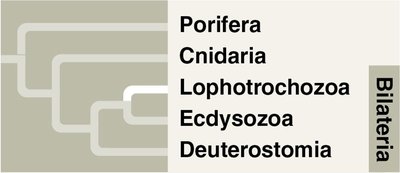
Animals are multicellular, heterotrophic eukaryotes that ingest their food. The animal kingdom is highly diverse, with over 1.3 million described species classified into 36 phyla. This diversity is organized into five major evolutionary groups: Porifera, Cnidaria, Lophotrochozoa, Ecdysozoa, and Deuterostomia. Animals are characterized by their body plans, presence of tissues, symmetry, and organ systems, which are essential for maintaining homeostasis.
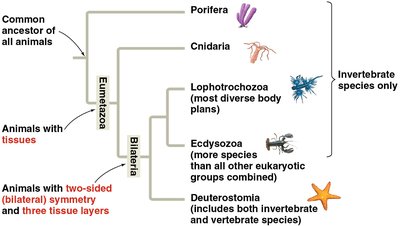
Key Traits for Animal Classification
Phylum: Major taxonomic groupings based on evolutionary relationships.
Tissues: Presence or absence of specialized tissues (e.g., nervous, muscle).
Body Symmetry: Asymmetrical, radial, or bilateral symmetry.
Developmental Pathway: Protostome or deuterostome development.
Digestive System: Incomplete (gastrovascular cavity) or complete (alimentary canal).
Circulatory, Respiratory, and Excretory Systems: Adaptations for transport and waste removal.
Digestive Systems in Animals
Types of Digestive Systems
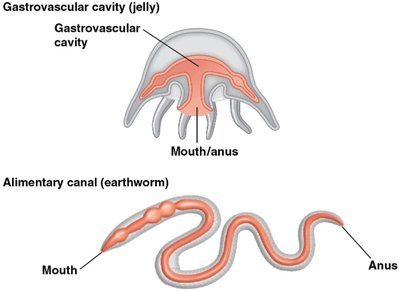
Animals digest food to obtain nutrients. Simpler animals have a gastrovascular cavity (incomplete digestive system) with a single opening, while more complex animals have a complete digestive system (alimentary canal) with separate mouth and anus.
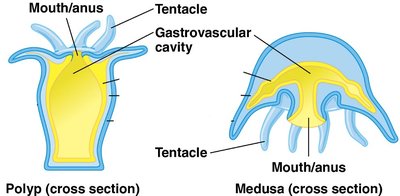
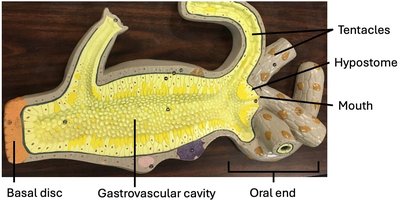
Gastrovascular cavity: Single opening for ingestion and egestion (e.g., Cnidarians).
Alimentary canal: Two openings, allowing for specialized regions for digestion and absorption (e.g., earthworms, humans).
Human Digestive System
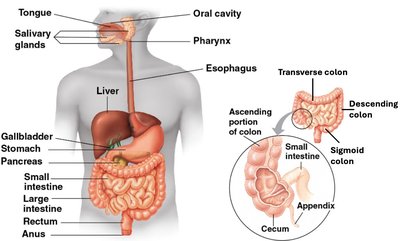
The human digestive system is a complete system with specialized organs for mechanical and chemical digestion, absorption, and waste elimination.
Mouth/Oral Cavity: Entry point; teeth and salivary glands begin digestion.
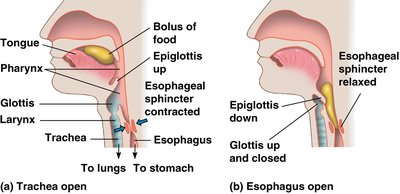
Pharynx: Shared by digestive and respiratory systems; directs food to esophagus.
Epiglottis: Flap that prevents food from entering the respiratory tract during swallowing.
Esophagus: Moves food to stomach via peristalsis.
Stomach: Stores and mixes food with gastric juices to form chyme.
Small Intestine: Main site for enzymatic digestion and nutrient absorption; receives enzymes from pancreas and bile from liver/gall bladder.
Large Intestine: Absorbs water, forms feces; includes cecum, colon, rectum, and anus.
Circulatory Systems in Animals
Types of Circulatory Systems
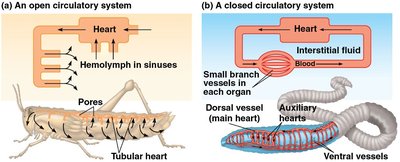
Circulatory systems transport nutrients, gases, and wastes. There are two main types:
Open Circulatory System: Hemolymph bathes organs directly; found in arthropods and some molluscs.
Closed Circulatory System: Blood is confined to vessels; found in annelids, cephalopods, and vertebrates.
Single vs. Double Circulation
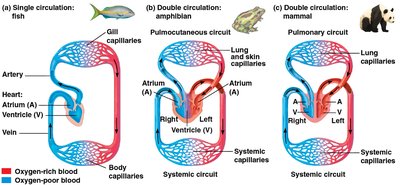
Single Circulation: Blood passes through the heart once per circuit (e.g., fish).
Double Circulation: Blood passes through the heart twice per circuit (e.g., amphibians, mammals); includes pulmonary and systemic circuits.
Respiratory Systems in Animals
Respiratory Adaptations
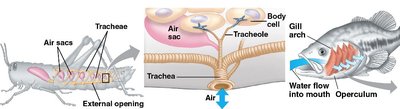
Respiratory systems facilitate gas exchange. Adaptations include:
Diffusion: In small, thin animals.
Gills: Aquatic animals.
Tracheal Systems: Insects.
Lungs: Terrestrial vertebrates.
Human Respiratory System
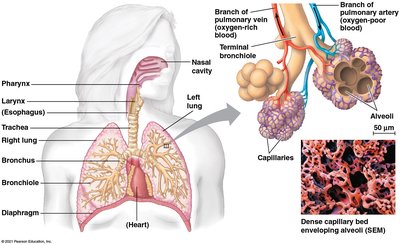
Nasal Cavity: Warms and moistens air.
Pharynx: Shared passage for air and food.
Larynx: Voice box.
Trachea: Windpipe, reinforced by cartilage.
Bronchi/Bronchioles: Air passages in lungs.
Alveoli: Site of gas exchange; surrounded by capillaries.
Diaphragm: Muscle that drives ventilation.
Excretory Systems in Animals
Types of Excretory Systems
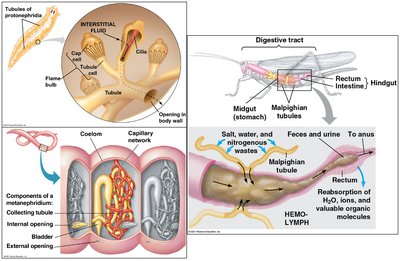
Excretory systems remove nitrogenous wastes and regulate water and electrolyte balance. Types include:
Protonephridia: Flame cells in flatworms.
Metanephridia: Segmented worms (annelids).
Malpighian Tubules: Insects.
Kidneys: Vertebrates.
Human Excretory System
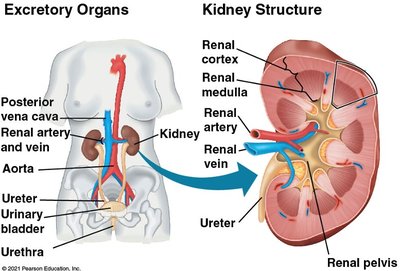
Kidneys: Filter blood, form urine; functional unit is the nephron.
Ureters: Transport urine to bladder.
Urinary Bladder: Stores urine.
Urethra: Expels urine from body.
Animal Body Plans
Developmental Pathways
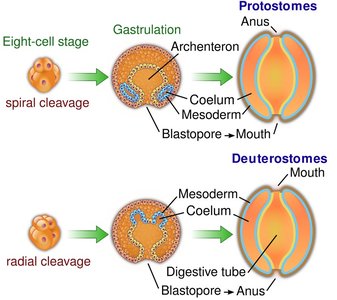
Animals are classified by their embryonic development:
Diploblasts: Two tissue layers (e.g., Cnidaria).
Triploblasts: Three tissue layers; develop as protostomes or deuterostomes.
Protostome Development: Spiral cleavage, blastopore becomes mouth.
Deuterostome Development: Radial cleavage, blastopore becomes anus.
Body Symmetry
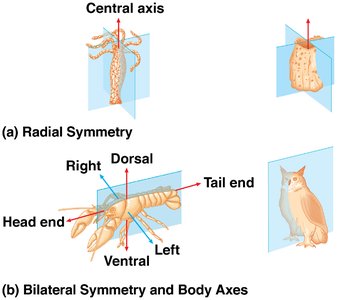
Asymmetry: No symmetry (e.g., sponges).
Radial Symmetry: Multiple planes of symmetry (e.g., Cnidarians).
Bilateral Symmetry: Single plane divides body into right and left (e.g., most animals).
Phylum Porifera (Sponges)
Characteristics and Anatomy
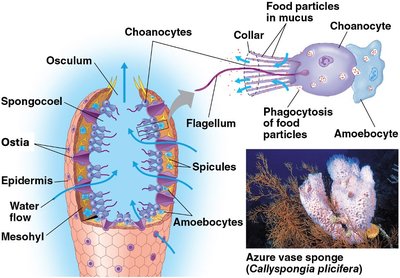
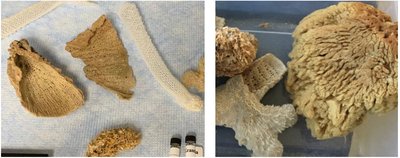
Porifera are basal animals lacking true tissues and organs. They are asymmetrical and filter feed by drawing water through their porous bodies.
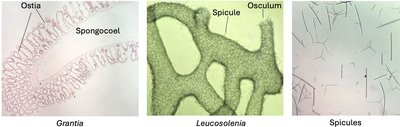
Ostia: Small pores where water enters.
Spongocoel: Central cavity.
Osculum: Large opening where water exits.
Choanocytes: Flagellated cells that create water flow and capture food.
Amoebocytes: Cells that digest food and distribute nutrients.
Spicules: Structural elements for support and defense.
Phylum Cnidaria
Characteristics and Diversity
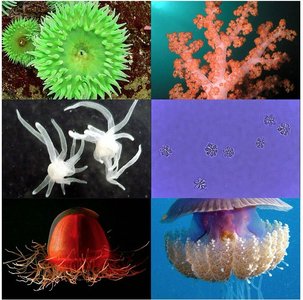
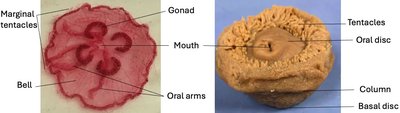
Cnidarians are eumetazoans with true tissues, radial symmetry, and a diploblastic body plan. They have a gastrovascular cavity and specialized stinging cells called cnidocytes.
Body Forms: Sessile polyp and motile medusa.
Groups: Medusozoans (produce medusa) and Anthozoans (only polyps).
Examples: Corals, hydra, jellyfish, sea anemones.
Lophotrochozoans
Overview and Mollusc Diversity
Lophotrochozoans are bilaterian, triploblastic animals with bilateral symmetry. This group includes phyla such as Platyhelminthes, Rotifera, Mollusca, and Annelida. Molluscs share a common body plan: muscular foot, visceral mass, and mantle.
Chitons: Oval-shaped, eight dorsal plates.
Gastropods: Snails (with shell), slugs (without shell).
Bivalves: Clams, oysters, mussels, scallops.
Cephalopods: Octopuses, squids, nautiluses.
Summary Table: Comparative Circulatory Systems
Organism | Common Name | Single/Double Circulation | Heart Chambers | Atria | Ventricles |
|---|---|---|---|---|---|
Human | Human | Double | 4 | 2 | 2 |
Fish | Fish | Single | 2 | 1 | 1 |
Frog | Frog | Double | 3 | 2 | 1 |
Bird | Bird | Double | 4 | 2 | 2 |
Shark | Shark | Single | 2 | 1 | 1 |
Sheep | Sheep | Double | 4 | 2 | 2 |
Turtle | Turtle | Double | 3 | 2 | 1 |
Key Terms and Concepts
Homeostasis: Maintenance of stable internal conditions.
Choanocyte: Flagellated cell in sponges for feeding.
Amoebocyte: Sponge cell for digestion and nutrient transport.
Cnidocyte: Specialized stinging cell in cnidarians.
Diploblast: Animal with two embryonic tissue layers.
Triploblast: Animal with three embryonic tissue layers.
Protostome: Animal whose mouth develops from the blastopore.
Deuterostome: Animal whose anus develops from the blastopore.
Additional info:
Some details about the function of specific organs and cells (e.g., choanocytes, amoebocytes, cnidocytes) were expanded for clarity.
Comparative circulatory table entries for some animals were inferred based on standard biological knowledge.
