 Back
BackCancer: Mechanisms, Risk Factors, and Clinical Case Study
Study Guide - Smart Notes
 Tailored notes based on your materials, expanded with key definitions, examples, and context.
Cancer: Mechanisms, Risk Factors, and Clinical Case Study
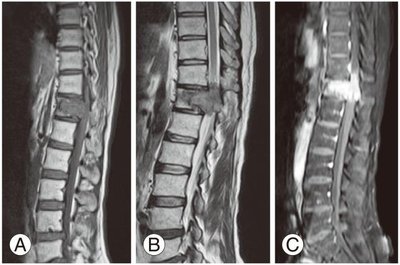
Clinical Case: Breast Cancer with Bone Metastasis
This section presents a clinical case of a 42-year-old woman diagnosed with breast cancer, which had metastasized to the bone. The case highlights the importance of early detection, genetic risk, and the complexity of cancer treatment.
Initial Presentation: Patient experienced severe lumbar pain during physical activity, initially diagnosed as muscle pain.
Discovery: A lump was found in the left breast two weeks later; mammography confirmed breast cancer with bone metastasis.
Diagnosis and Staging: Biopsy revealed stage IV breast cancer.
Treatment: Included lumpectomy, chemotherapy, and local spine radiation therapy. The patient is now in follow-up, with breast reconstruction planned.
Genetic Findings: BRCA2 positive, which has implications for her daughters due to increased hereditary risk.
Additional info: BRCA2 mutations significantly increase the risk of breast, ovarian, and other cancers in carriers.
Types of Cancer
Classification of Cancers
Cancers are classified based on the tissue or cell type from which they originate. Understanding these types is crucial for diagnosis and treatment planning.
Carcinomas: Originate from epithelial cells (e.g., breast, lung, colon, bladder, prostate).
Sarcomas: Arise from connective tissues such as fat, bone, and muscle.
Lymphomas: Develop in lymphatic tissues (lymph nodes).
Leukemias: Originate in blood-forming tissues, leading to abnormal proliferation of white blood cells.
Cell Division: Normal vs. Cancerous
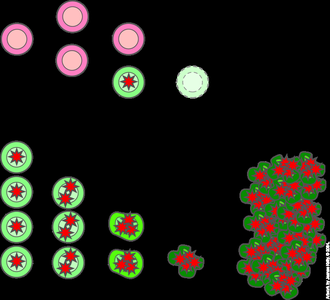
Differences in Cell Division
Normal cells divide in a regulated manner, while cancer cells exhibit uncontrolled division due to accumulated mutations.
Normal Cell Division: Controlled by regulatory genes; damaged cells undergo apoptosis (programmed cell death).
Cancer Cell Division: Multiple mutations lead to loss of control, resulting in unchecked proliferation and tumor formation.
Genetic Basis of Cancer
Mutations and Cancer Development
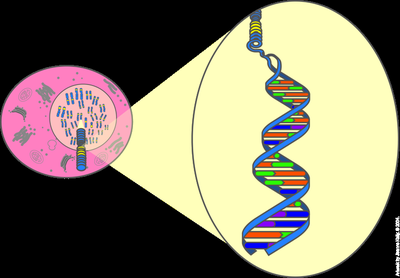
Cancer arises from genetic mutations that disrupt normal cell cycle regulation. These mutations can be inherited or acquired due to environmental factors.
Chromosomes: Structures composed of DNA that carry genetic information.
Mutagenic Factors: Heredity, radiation, chemicals, and viruses can induce mutations.
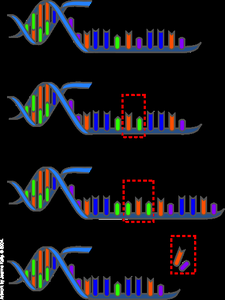
Types of Genetic Mutations
Mutations can alter the DNA sequence in various ways, leading to abnormal protein function and cancer development.
Point Mutations: Single base changes in DNA.
Insertions/Deletions: Addition or loss of DNA segments.
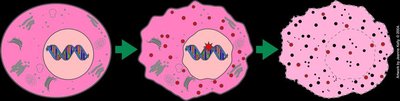
Role of Tumor Suppressor Genes (e.g., p53)
The p53 gene encodes a protein that triggers apoptosis in cells with excessive DNA damage. Mutations in p53 can prevent cell suicide, allowing damaged cells to survive and proliferate.
Normal Function: p53 protein induces apoptosis in response to DNA damage.
Mutated p53: Loss of function leads to survival of genetically unstable cells, promoting cancer.
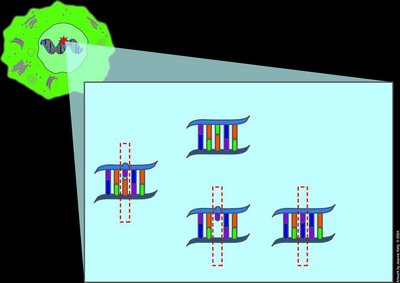
DNA Repair Genes and Cancer
DNA repair genes correct errors during DNA replication. Mutations in these genes increase the risk of accumulating additional mutations, leading to cancer.
Normal DNA Repair: Fixes base pair mismatches and maintains genomic stability.
Defective DNA Repair: Allows mutations to accumulate, increasing cancer risk.
Tumor Growth and Metastasis
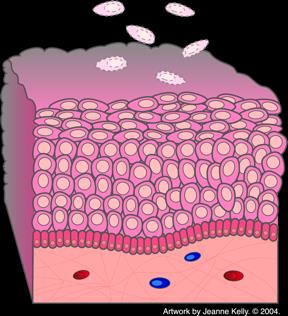
Normal vs. Cancerous Tissue Growth
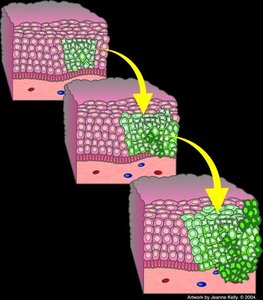
Normal tissues maintain a balance between cell division and cell death. Cancer disrupts this balance, leading to abnormal tissue masses (tumors).
Normal Growth: Cells divide in the basal layer and dead cells are shed from the surface.
Cancer Growth: Tumors (neoplasms) form due to uncontrolled cell division.
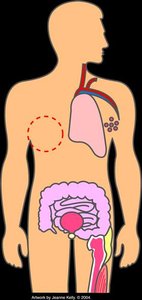
Invasion and Metastasis
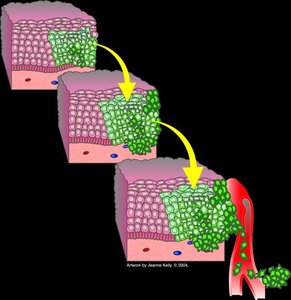
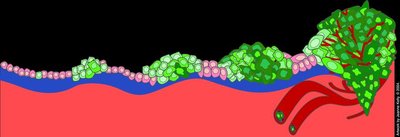
Cancer cells can invade surrounding tissues and spread to distant sites via the bloodstream or lymphatic system, a process known as metastasis.
Invasion: Cancer cells grow into adjacent tissues and blood vessels.
Metastasis: Cancer cells are transported to distant organs, forming secondary tumors.
Causes and Risk Factors for Cancer
Major Causes of Cancer
Cancer can be caused by a combination of genetic, environmental, and lifestyle factors.
Viruses and Bacteria: Certain infections can initiate cancer development.
Heredity: Inherited mutations (e.g., BRCA1/2) increase risk.
Diet and Hormones: Dietary choices and hormonal imbalances can contribute.
Radiation and Chemicals: Exposure to carcinogens (e.g., tobacco smoke, UV light) increases risk.

Carcinogenic Chemicals in Tobacco Smoke
Tobacco smoke contains numerous carcinogens that significantly increase the risk of lung and other cancers.

Radiation as a Risk Factor
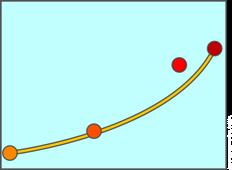
Both ultraviolet (UV) and ionizing (atomic) radiation can damage DNA and increase cancer risk.
UV Radiation: Increases risk of skin cancer, especially with high sun exposure.
Ionizing Radiation: X-rays and atomic radiation are linked to leukemia and other cancers.
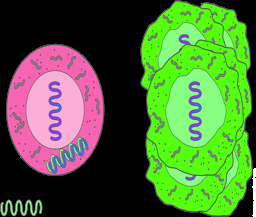
Viruses and Bacteria in Cancer Development
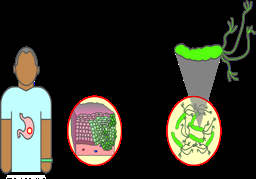
Certain viruses and bacteria are associated with specific cancers by altering host cell genes or causing chronic inflammation.
Viruses: Some viruses insert oncogenes or disrupt tumor suppressor genes (e.g., HPV in cervical cancer).
Bacteria: Helicobacter pylori infection is linked to stomach cancer.
Genetic Predisposition and Hereditary Cancer Syndromes
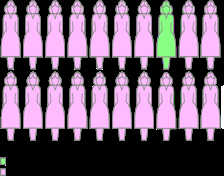
Inherited mutations in genes such as BRCA1 and BRCA2 greatly increase the risk of breast, ovarian, and other cancers.
BRCA1/2 Mutations: Associated with high lifetime risk of breast and ovarian cancer, as well as increased risk for other cancers (e.g., prostate, pancreatic, melanoma).
Implications: Family members may require genetic counseling and increased surveillance.
Population Studies and Environmental Factors
Geographic Variation in Cancer Incidence
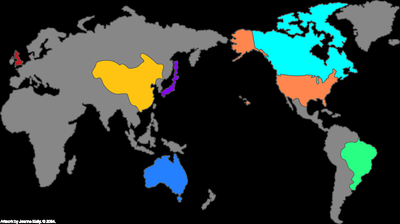
Population-based studies show that cancer incidence varies by region, reflecting differences in genetics, environment, and lifestyle.
Examples: High stomach cancer rates in Japan, colon cancer in the U.S., liver cancer in China, skin cancer in Australia.
Gene-Environment Interactions
Studies of migrant populations reveal that environmental factors can significantly alter cancer risk, even among genetically similar groups.
Example: Japanese families in the U.S. have cancer rates that shift toward those of the U.S. population, indicating environmental influence.
Prevention of Cancer
Lifestyle Modifications
Many cancers can be prevented by reducing exposure to known risk factors and adopting healthy behaviors.
Avoid Tobacco: Smoking cessation greatly reduces lung and other cancer risks.
Limit Alcohol: Reducing alcohol intake lowers risk, especially when combined with smoking cessation.
Sun Protection: Use sunscreen and avoid excessive sun exposure to prevent skin cancer.
Healthy Diet: Limiting red meat and processed foods may reduce colon cancer risk.
Additional info: Regular screening and vaccination (e.g., HPV vaccine) are also effective preventive measures.
Summary Table: Major Cancer Types and Risk Factors
Cancer Type | Major Risk Factors | Prevention Strategies |
|---|---|---|
Breast | BRCA1/2 mutations, age, hormone exposure | Genetic counseling, regular screening |
Lung | Smoking, air pollution, radon | Avoid tobacco, reduce exposure to pollutants |
Colon | Diet (red meat), heredity, low fiber intake | Healthy diet, regular screening |
Skin | UV exposure, fair skin | Sun protection, avoid tanning beds |
Stomach | H. pylori infection, diet, smoking | Treat infections, healthy diet |
