 Back
Carbohydrates and Lipids: Structure, Function, and Classification
Study Guide - Smart Notes
 Tailored notes based on your materials, expanded with key definitions, examples, and context.
Carbohydrates
Classification of Carbohydrates
Carbohydrates are organic molecules composed of carbon, hydrogen, and oxygen, typically in a ratio of 1:2:1. They are classified based on the number of sugar units present:
Monosaccharides: Single sugar units (simple carbohydrates).
Disaccharides: Two sugar units (complex carbohydrates).
Polysaccharides: Many sugar units (complex carbohydrates).
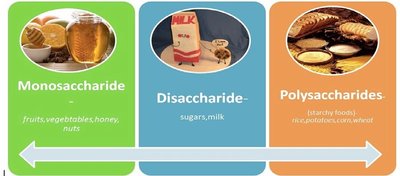
Examples:
Monosaccharides: Glucose, galactose, fructose
Disaccharides: Sucrose, lactose, maltose
Polysaccharides: Starch, glycogen, cellulose
Monosaccharides: Structure and Properties
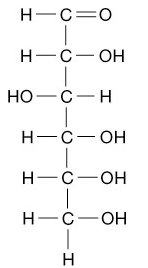
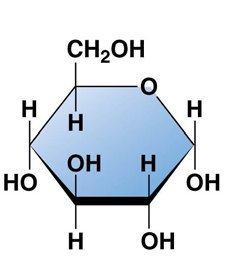
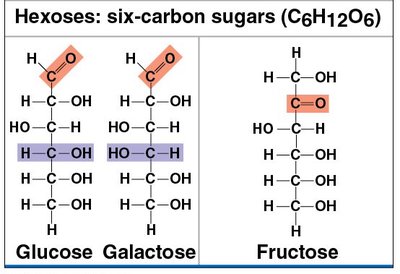
Monosaccharides are the simplest form of carbohydrates and cannot be broken down into smaller sugars. Their carbon skeletons vary in length, typically ranging from 3 to 7 carbon atoms. The general formula is .
Hexoses (six-carbon sugars): Glucose, galactose, fructose
Monosaccharides rarely exist in linear form; they often form ring structures in aqueous solutions.
Disaccharides: Formation and Examples
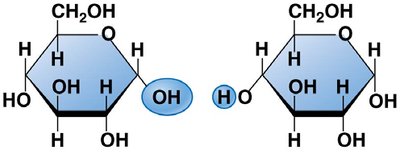
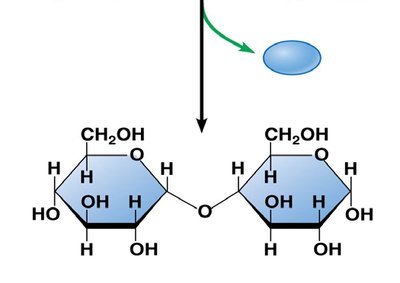
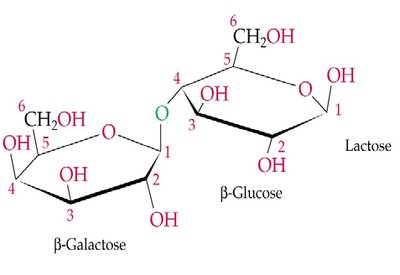
Disaccharides are formed when two monosaccharides join via a dehydration reaction, resulting in a glycosidic linkage (covalent bond).
Lactose: Glucose + Galactose
Sucrose: Glucose + Fructose
Maltose: Glucose + Glucose
Polysaccharides: Structure and Function
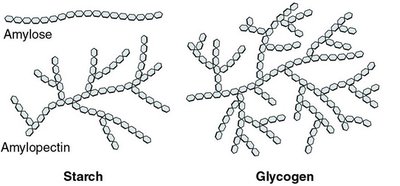
Polysaccharides are long chains of monosaccharide units linked by glycosidic bonds. Their structure and function depend on the types of sugar monomers and the positions of linkages.
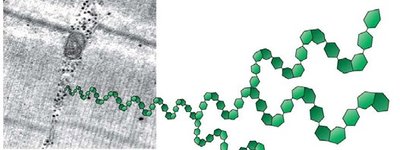
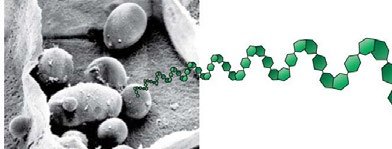
Starch: Energy storage in plants; composed of amylose (unbranched) and amylopectin (branched).
Glycogen: Energy storage in animals; highly branched structure.
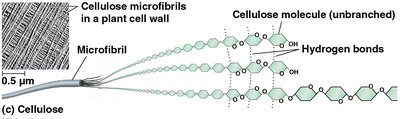
Cellulose: Structural component in plant cell walls; forms cable-like fibers and is the most abundant organic compound on Earth.
Biochemical Roles of Carbohydrates
Carbohydrates serve four main biochemical roles in living organisms:
Energy source: Immediate fuel for cellular processes.
Energy storage: Glycogen in animals, starch in plants.
Structural molecules: Cellulose in plants, chitin in fungi and arthropods.
Supply carbon: For synthesis of other compounds.

Lipids
Overview and Types of Lipids
Lipids are a diverse group of hydrophobic molecules that do not form polymers. They are insoluble in water and serve various functions in cells.
Triglycerides: Fats and oils, main energy storage unit.
Phospholipids: Major component of cell membranes.
Steroids: Cholesterol and hormones.
Triglycerides: Structure and Function
Triglycerides consist of a glycerol molecule joined to three fatty acids via dehydration reactions. They serve as energy storage, insulation, and protection.
Solid at room temperature = fat; liquid = oil.
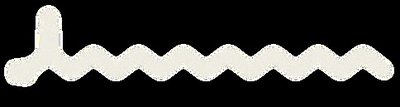
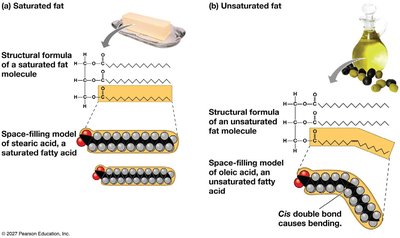
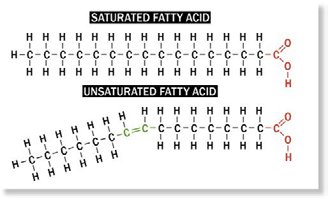
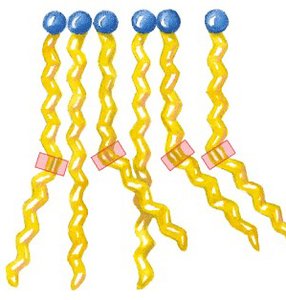
Fatty acids can be saturated (no double bonds) or unsaturated (one or more double bonds).

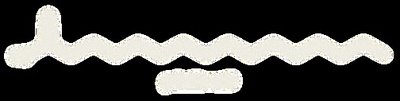
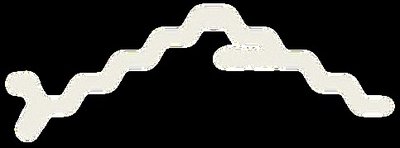
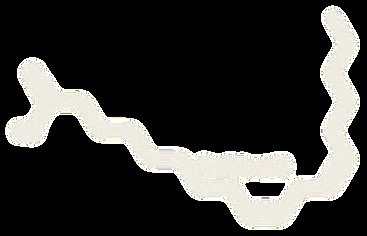
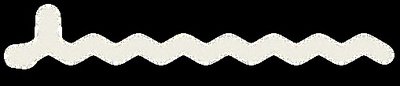
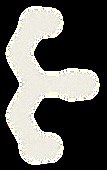
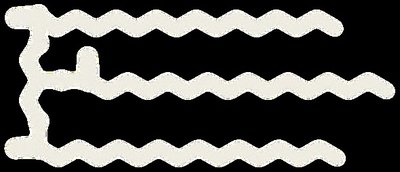
Saturated vs. Unsaturated Fats
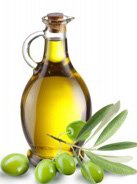
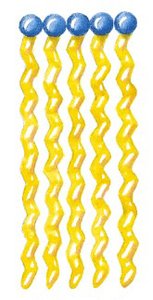
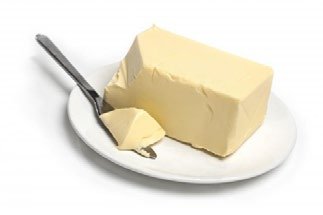
Saturated fats have no double bonds and pack tightly, making them solid at room temperature. Unsaturated fats have one or more double bonds, causing kinks and preventing tight packing, making them liquid at room temperature.
Saturated fats: Butter, lard, animal fats
Unsaturated fats: Olive oil, vegetable oils
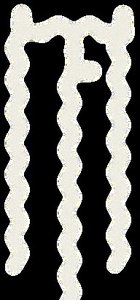
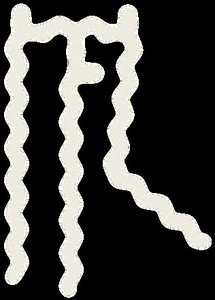
Essential Fatty Acids (EFAs)
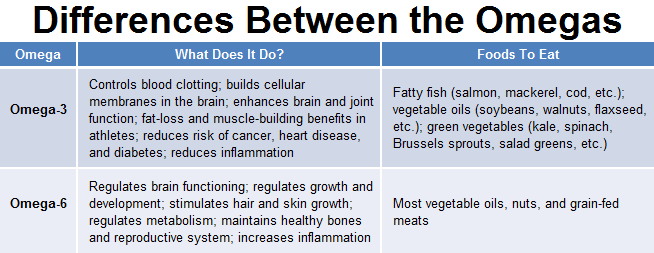
EFAs are unsaturated fatty acids that cannot be synthesized by the human body and must be obtained from the diet. Omega-3 and omega-6 fatty acids are important for normal growth and cardiovascular health.
Phospholipids: Structure and Function
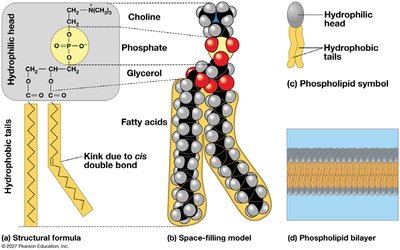
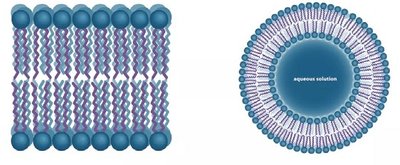
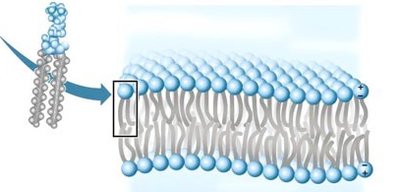
Phospholipids are composed of two fatty acids, a glycerol, and a polar group. They are amphiphilic, having both hydrophobic (tails) and hydrophilic (head) regions, and form the bilayer structure of cell membranes.
Phospholipids differ from triglycerides by having a phosphate group instead of a third fatty acid.
Bilayer arrangement allows for selective permeability in membranes.
Steroids: Structure and Function
Steroids are lipids with a carbon skeleton consisting of four fused rings. Cholesterol is the most common steroid in humans, providing membrane structure and serving as a precursor to steroid hormones.
Sex hormones: Androgens, estrogens, progesterone
Cholesterol maintains membrane fluidity and is not soluble in water.
Summary Tables
Differences Between the Omegas
Omega | What Does It Do? | Foods To Eat |
|---|---|---|
Omega-3 | Controls blood clotting; builds cellular membranes in the brain; enhances brain and joint function; fat-loss and muscle-building benefits in athletes; reduces risk of cancer, heart disease, and diabetes; reduces inflammation | Fatty fish (salmon, mackerel, cod, etc.); vegetable oils (soybeans, walnuts, flaxseed, etc.); green vegetables (kale, spinach, Brussels sprouts, salad greens, etc.) |
Omega-6 | Regulates brain functioning; regulates growth and development; stimulates hair and skin growth; regulates metabolism; maintains healthy bones and reproductive system; increases inflammation | Most vegetable oils, nuts, and grain-fed meats |
Vocabulary
Carbohydrate
Glycosidic linkage
Glycogen
Starch
Cellulose
Mono / Di / Poly saccharide
Lipid
Triglyceride
Fatty Acids
Trans Fat
Study Guide Questions
Carbohydrates
List and recognize the four major classes of macromolecules. Name their monomers and polymers.
Distinguish between the names and structures of various monosaccharides, disaccharides, and polysaccharides.
Name the 3 different polysaccharides discussed in lecture. Which types of organisms are they each found in? How do they differ in function?
What roles do carbohydrates play in living organisms?
How do plants store carbohydrates for energy? Animals?
Lipids
What are the 3 primary types of lipids? Name cellular examples of each.
How does the structure of a phospholipid differ from a triglyceride? How does its role in a cell differ?
Name 3 common steroids. What is the most common steroid in humans? What role does it play in physiology?
What is the most common energy storage unit of lipids?
Distinguish between fats and oils, and the chemical properties that differ between them.
What is the difference between a fat and a fatty acid?
How do saturated and unsaturated fats differ in both structure and in their physical properties?
