 Back
Carbohydrates and Lipids: Structure, Function, and Biological Importance
Study Guide - Smart Notes
 Tailored notes based on your materials, expanded with key definitions, examples, and context.
Carbohydrates
Classification of Carbohydrates
Carbohydrates are organic molecules composed of carbon, hydrogen, and oxygen, typically with a ratio of 1:2:1. They are classified based on the number of sugar units present:
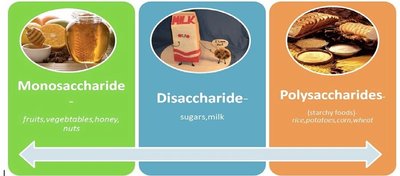
Monosaccharides: Single sugar units (simple sugars) such as glucose, fructose, and galactose. Found in fruits, vegetables, honey, and nuts.
Disaccharides: Composed of two monosaccharide units, e.g., sucrose (table sugar), lactose (milk sugar), and maltose.
Polysaccharides: Long chains of monosaccharide units, e.g., starch, glycogen, and cellulose. Found in starchy foods like rice, potatoes, and wheat.
Monosaccharides: Structure and Isomerism
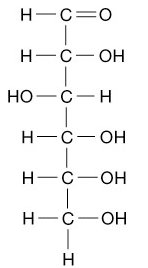
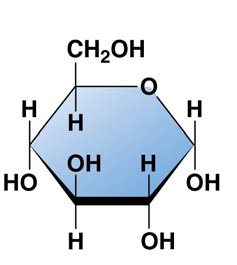
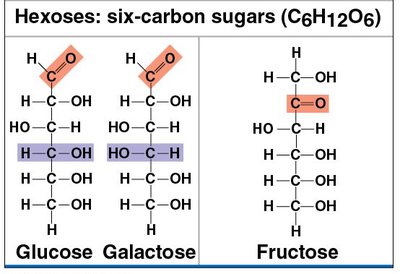
Monosaccharides are the simplest carbohydrates and serve as the building blocks for more complex sugars. Their carbon skeletons typically range from three to seven carbons. The most common monosaccharides are hexoses (six carbons): glucose, galactose, and fructose.
General formula:
Isomers: Compounds with the same chemical formula but different structural arrangements (e.g., glucose, galactose, and fructose all have the formula but differ in structure).
Formation of Disaccharides
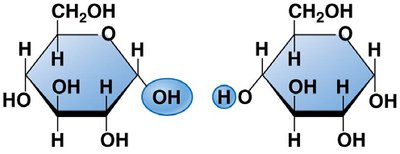
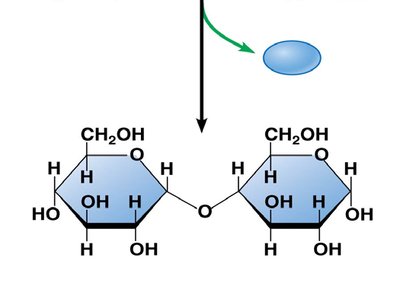
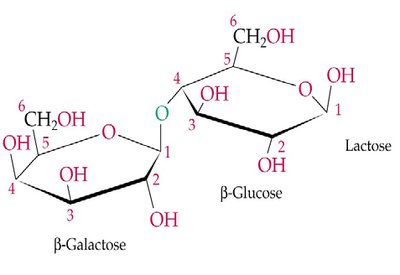
Disaccharides are formed when two monosaccharides are joined by a dehydration reaction, resulting in a covalent bond known as a glycosidic linkage. Common disaccharides include:
Maltose: Glucose + Glucose
Sucrose: Glucose + Fructose
Lactose: Glucose + Galactose
Polysaccharides: Structure and Function
Polysaccharides are large polymers of monosaccharides and serve various roles in living organisms:
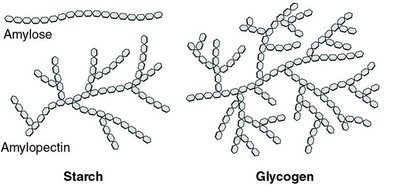
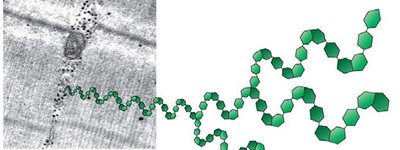
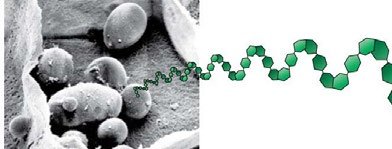
Starch: Energy storage in plants; composed of amylose (unbranched) and amylopectin (branched).
Glycogen: Energy storage in animals; highly branched structure allows rapid release of glucose.
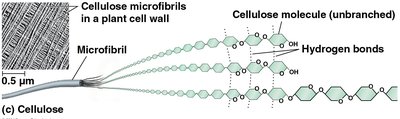
Cellulose: Structural component of plant cell walls; composed of unbranched chains of glucose with hydrogen bonds between chains, making it indigestible to most animals.
Biological Roles of Carbohydrates
Carbohydrates play several essential roles in living organisms:
Energy source: Immediate fuel for cellular respiration (e.g., glucose).
Energy storage: Starch in plants, glycogen in animals.
Structural support: Cellulose in plants, chitin in fungi and arthropods.
Carbon supply: For synthesis of other organic molecules.
Lipids
Overview and Types of Lipids
Lipids are a diverse group of hydrophobic molecules that do not form polymers. They are insoluble in water and serve as energy storage, structural components, and signaling molecules. Major types include:
Triglycerides (fats and oils): Main energy storage molecules.
Phospholipids: Major components of cell membranes.
Steroids: Include cholesterol and hormones.
Triglycerides: Structure and Function
Triglycerides are composed of one glycerol molecule and three fatty acids, joined by dehydration reactions. They function as long-term energy storage, insulation, and protection for organs.
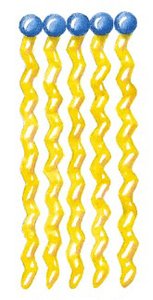
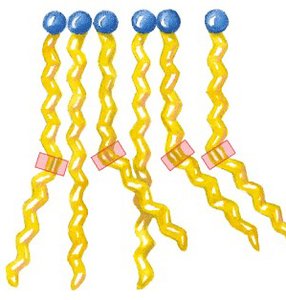
Saturated fatty acids: No double bonds; solid at room temperature (e.g., butter).
Unsaturated fatty acids: One or more double bonds; liquid at room temperature (e.g., olive oil).



Essential Fatty Acids (EFAs)
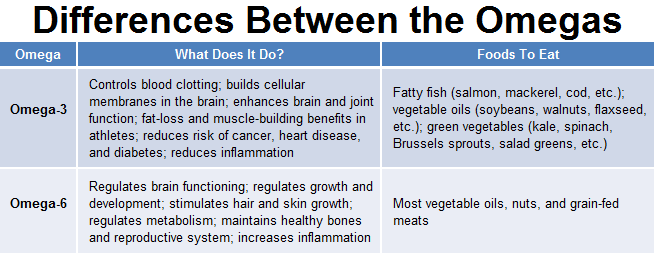
Some unsaturated fatty acids, such as omega-3 and omega-6, are essential because the human body cannot synthesize them. They must be obtained from the diet and are important for brain function, inflammation regulation, and cardiovascular health.
Omega | What Does It Do? | Foods To Eat |
|---|---|---|
Omega-3 | Controls blood clotting; builds cellular membranes in the brain; enhances brain and joint function; reduces risk of cancer, heart disease, and diabetes; reduces inflammation | Fatty fish (salmon, mackerel, cod, etc.); vegetable oils (soybeans, walnuts, flaxseed, etc.); green vegetables (kale, spinach, Brussels sprouts, salad greens, etc.) |
Omega-6 | Regulates brain functioning; regulates growth and development; stimulates hair and skin growth; regulates metabolism; maintains healthy bones and reproductive system; increases inflammation | Most vegetable oils, nuts, and grain-fed meats |
Phospholipids: Structure and Role in Membranes
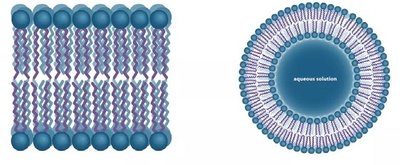
Phospholipids consist of two fatty acids, a glycerol, and a phosphate group. They are amphipathic, having both hydrophilic (phosphate head) and hydrophobic (fatty acid tails) regions. This property allows them to form bilayers, which are the fundamental structure of cell membranes.
Hydrophilic head: Interacts with water.
Hydrophobic tails: Avoid water, face inward in bilayer.
Steroids: Structure and Function
Steroids are lipids with a structure of four fused carbon rings. Cholesterol is the most common steroid in humans and is a precursor for steroid hormones such as testosterone and estrogen. Steroids are important for maintaining membrane fluidity and serve as signaling molecules.
Cholesterol: Structural component of cell membranes, precursor to steroid hormones.
Steroid hormones: Regulate various physiological processes.
Summary Table: Carbohydrates and Lipids
Macromolecule | Monomer | Polymer | Function |
|---|---|---|---|
Carbohydrate | Monosaccharide | Polysaccharide | Energy, storage, structure |
Lipid | Fatty acid, glycerol | Triglyceride, phospholipid, steroid | Energy storage, membranes, signaling |
