 Back
Carbohydrates: Structure, Function, and Biological Importance
Study Guide - Smart Notes
 Tailored notes based on your materials, expanded with key definitions, examples, and context.
Macromolecules: Carbohydrates
Overview of Carbohydrates
Carbohydrates are a major class of biological macromolecules, essential for energy storage, structural support, and cellular communication. They include simple sugars (monosaccharides) and their polymers (polysaccharides). - Monosaccharides: The simplest carbohydrates, typically with formulas that are multiples of CH2O. - Polysaccharides: Macromolecules composed of many sugar monomers. - Naming: Most sugars end in 'ose' (e.g., glucose, fructose, sucrose).
Classification of Monosaccharides
Monosaccharides are classified based on the location of their carbonyl group, the number of carbons, and hydroxy group modifications. - Aldoses: Carbonyl group at the end of the carbon skeleton (e.g., glucose). - Ketoses: Carbonyl group within the carbon skeleton (e.g., fructose). - Triose, Pentose, Hexose: Refers to three, five, or six carbon atoms, respectively. Example: Glucose (C6H12O6) is a hexose aldose; fructose is a hexose ketose. 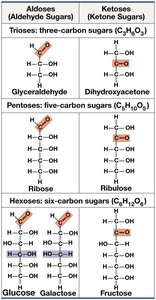
Linear and Ring Forms of Monosaccharides
Monosaccharides can exist in linear or ring forms, with the ring form predominating in aqueous solutions. - Linear form: Open-chain structure. - Ring form: Formed by a reaction between the carbonyl and a hydroxyl group. - Cyclic nomenclature: Linear glucose: (2R,3S,4R,5R)-2,3,4,5,6-Pentahydroxyhexanal; Cyclic glucose: (3R,4S,5S,6R)-6-(hydroxymethyl)oxane-2,3,4,5-tetrol. 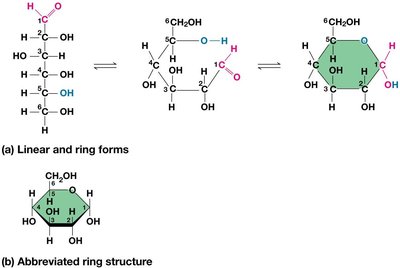
Formation of Disaccharides
Disaccharides are formed by joining two monosaccharides via a dehydration reaction, creating a glycosidic linkage. - Glycosidic linkage: Covalent bond between two monosaccharides. - Dehydration reaction: Removal of a water molecule to form the bond. Example: Maltose (glucose + glucose), Sucrose (glucose + fructose). 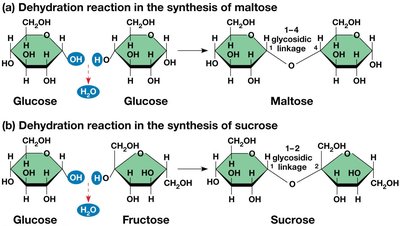
Polysaccharides: Structure and Function
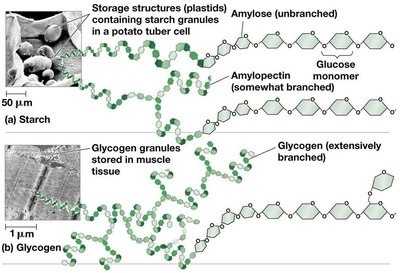
Polysaccharides serve as storage and structural molecules in cells. - Starch: Storage polysaccharide in plants, composed of glucose monomers. - Amylose: Unbranched form of starch. - Glycogen: Storage polysaccharide in animals, highly branched, stored in liver and muscle. - Hydrolysis: Enzymatic breakdown of polysaccharides to release glucose. 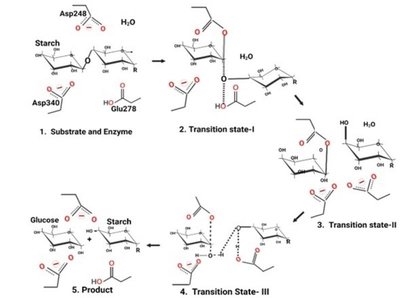
Structural Polysaccharides: Cellulose and Chitin
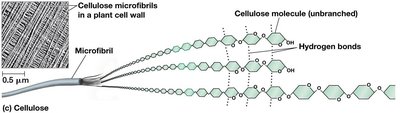
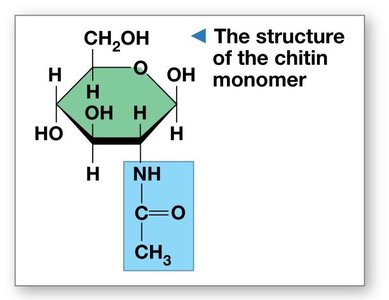
Structural polysaccharides provide rigidity and support to cells and organisms. - Cellulose: Major component of plant cell walls; polymer of glucose with β glycosidic linkages. - Starch vs. Cellulose: Starch has α linkages (helical), cellulose has β linkages (straight, unbranched). - Digestibility: Humans can digest starch but not cellulose due to enzyme specificity. - Chitin: Second most abundant polysaccharide; found in arthropod exoskeletons and fungal cell walls. Monomer is N-acetylglucosamine (NAc). 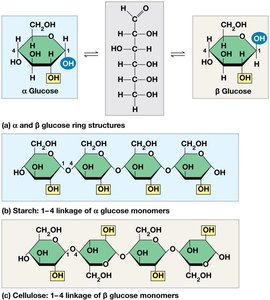
Biological and Ecological Relevance of Structural Polysaccharides
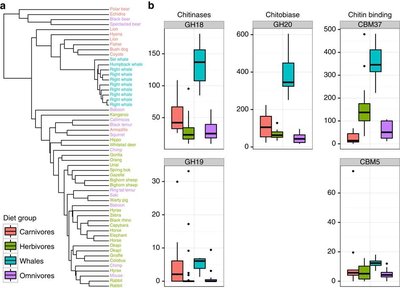
Structural polysaccharides play vital roles in ecosystems and animal physiology. - Cellulose: Passes through human digestive tract as insoluble fiber; only microbes can digest it. - Symbiosis: Animals with cellulose-rich diets rely on symbiotic microbes for digestion. - Chitin: Provides structural support in arthropods and fungi; important in marine and terrestrial food webs. 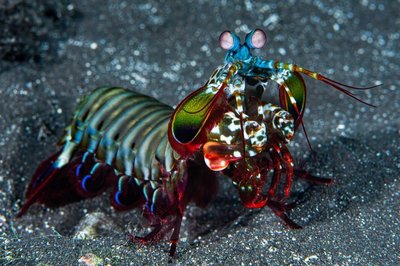
Summary Table: Types of Carbohydrates
Type | Structure | Function | Example |
|---|---|---|---|
Monosaccharide | Single sugar unit | Energy source | Glucose |
Disaccharide | Two sugar units | Transport/storage | Sucrose |
Polysaccharide (Storage) | Many sugar units, branched/unbranched | Energy storage | Starch, Glycogen |
Polysaccharide (Structural) | Many sugar units, straight/unbranched | Structural support | Cellulose, Chitin |
Key Terms and Concepts
- Monosaccharide: Simple sugar, basic unit of carbohydrates. - Disaccharide: Two monosaccharides joined by glycosidic linkage. - Polysaccharide: Polymer of monosaccharides, can be storage or structural. - Glycosidic linkage: Covalent bond formed by dehydration reaction. - Alpha (α) and Beta (β) Linkages: Different ring forms of glucose, determine structure and digestibility. - Chitin: Structural polysaccharide with N-acetylglucosamine monomers. Additional info: Expanded explanations and context were added to clarify classification, structure, and biological relevance of carbohydrates, as well as the ecological importance of structural polysaccharides.
