 Back
Carbon and Biomolecules: The Chemical Basis of Life
Study Guide - Smart Notes
 Tailored notes based on your materials, expanded with key definitions, examples, and context.
Carbon: Life’s Chemical Backbone
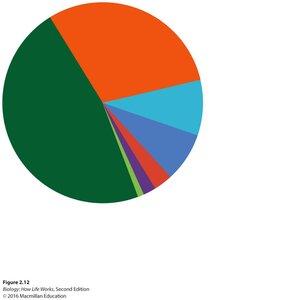
Elemental Composition of Living Matter
Living organisms are composed of a variety of elements, with carbon, oxygen, and hydrogen making up the majority. The proportions of these elements reflect their importance in biological molecules.
Carbon (C): 47% - the primary element in organic compounds.
Oxygen (O): 30% - essential for water and many biomolecules.
Hydrogen (H): 9% - found in water and organic molecules.
Nitrogen (N): 8% - key component of proteins and nucleic acids.
Other elements: Phosphorus, Sulfur, Potassium, Calcium, Sodium, Chlorine, Magnesium, and trace elements.
Properties of Carbon
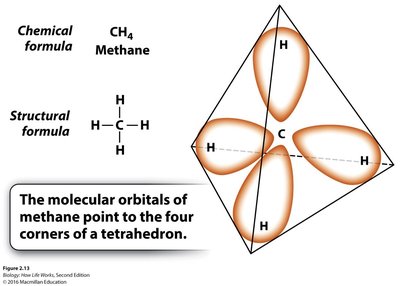
Carbon is unique in its ability to form four covalent bonds, allowing for a diversity of molecular structures. This versatility is the foundation for the complexity of life.
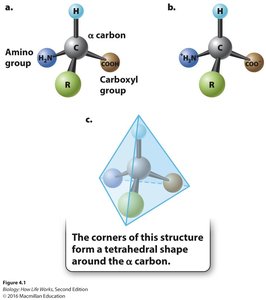
Tetrahedral bonding: Carbon's four bonds can branch in multiple directions, forming a tetrahedral geometry.
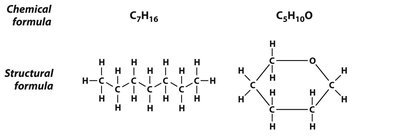
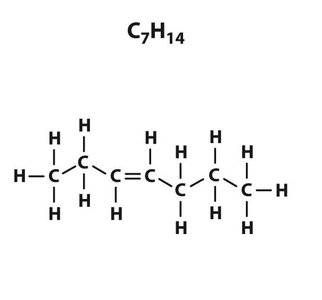
Structural diversity: Carbon atoms can link to form straight chains, branched chains, rings, and double bonds.
Functional Groups in Organic Molecules
Definition and Importance
Functional groups are specific groups of atoms within molecules that are responsible for the characteristic chemical reactions of those molecules. They are attached to the carbon backbone and greatly influence molecular function.
Hydroxyl (-OH): Found in alcohols; increases solubility in water.
Carbonyl (C=O): Found in aldehydes and ketones; important in sugars.
Carboxyl (-COOH): Acts as an acid; found in amino acids and fatty acids.
Amino (-NH2): Acts as a base; found in amino acids.
Phosphate (-PO4): Found in nucleotides; important in energy transfer.
Functional groups participate in chemical reactions and determine the properties and reactivity of organic molecules.
Macromolecules: Polymers and Monomers
Classes of Biomolecules
Cells contain four major classes of macromolecules, each built from smaller units called monomers:
Proteins: Polymers of amino acids (~50% of cell dry mass).
Nucleic Acids: Polymers of nucleotides (~15%).
Carbohydrates: Polymers of monosaccharides (~15%).
Lipids: Not true polymers, but assembled from fatty acids and glycerol (~15%).
Cells are about 80% water; the remaining 20% consists of these macromolecules.
Polymer Formation and Breakdown
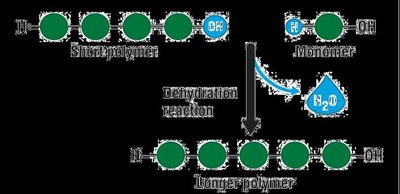
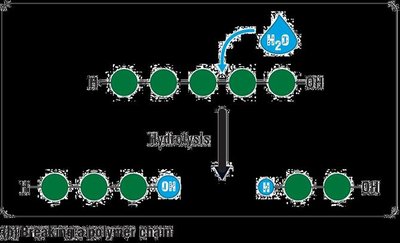
Macromolecules are synthesized and degraded by specific chemical reactions:
Dehydration synthesis (condensation): Monomers are joined by removing a molecule of water, forming a polymer.
Hydrolysis: Polymers are broken down into monomers by adding water.
Enzymes: Catalyze both processes.
Proteins: Structure and Function
Amino Acids: The Monomers of Proteins
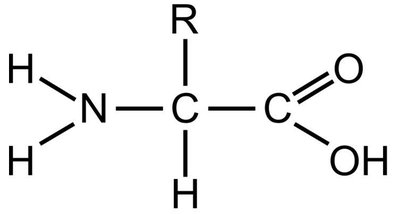
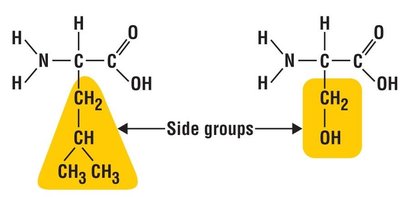
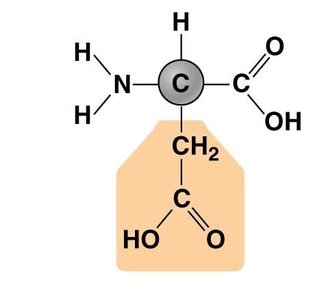
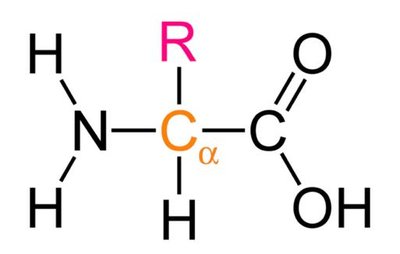
Proteins are polymers made from amino acid monomers. Each amino acid has a central carbon (α-carbon) bonded to an amino group, a carboxyl group, a hydrogen atom, and a variable side chain (R group).
Peptide bonds: Amino acids are linked by peptide bonds formed via dehydration synthesis.
Side chains (R groups): Determine the properties and folding of the protein.
Classification of Amino Acids
Amino acids are classified based on the properties of their side chains:
Polar (hydrophilic): Side chains interact with water.
Non-polar (hydrophobic): Side chains avoid water.
Charged: Side chains can be acidic (negative) or basic (positive).
Protein Structure Levels
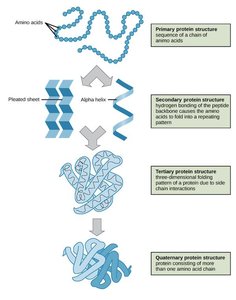
Proteins have four levels of structure, each contributing to their function:
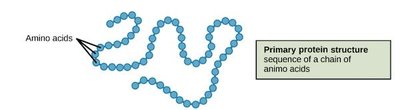
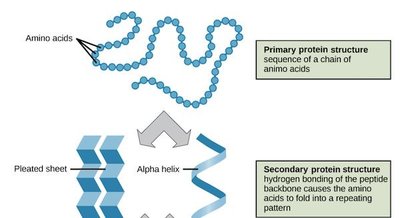
Primary structure: Sequence of amino acids connected by peptide bonds.
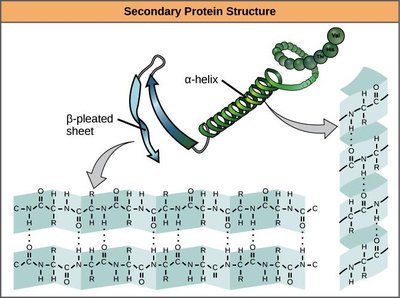
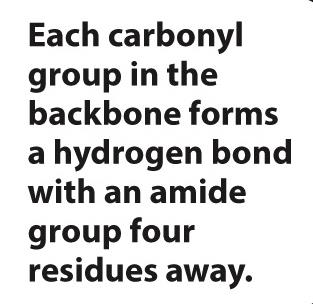
Secondary structure: Hydrogen bonding between backbone groups forms α-helices and β-sheets.
Tertiary structure: Overall 3D shape due to interactions among side chains (hydrophobic, ionic, hydrogen bonds).
Quaternary structure: Association of multiple polypeptide subunits.
Protein Denaturation
Environmental changes such as heat or pH can disrupt hydrogen and ionic bonds, causing proteins to lose their structure and function (denaturation).
Denatured proteins: Lose their three-dimensional shape and become inactive.
Mutations: Changes in amino acid sequence can alter protein shape and function.
Nucleic Acids: DNA and RNA
Structure and Function
Nucleic acids are polymers of nucleotides and serve as the genetic material of cells. DNA stores instructions for cellular work, while RNA is involved in protein synthesis.
Nucleotide structure: Each nucleotide consists of a phosphate group, a five-carbon sugar (ribose or deoxyribose), and a nitrogenous base.
Directionality: Nucleic acid polymers have a 5' to 3' direction based on the sugar-phosphate backbone.
Types of Nucleic Acids
DNA: Double-stranded helix, more stable, bases are A, G, C, T.
RNA: Single-stranded, less stable, bases are A, G, C, U.
Base Pairing and Replication
In DNA, bases pair via hydrogen bonds: Adenine (A) pairs with Thymine (T), and Guanine (G) pairs with Cytosine (C). The structure allows for accurate replication.
Base pairing: A-T (2 hydrogen bonds), G-C (3 hydrogen bonds).
Antiparallel strands: DNA strands run in opposite directions.
Phosphodiester bonds: Link sugars in the backbone.
Other Functions of Nucleotides
Nucleotides also serve as energy carriers (e.g., ATP) and signaling molecules in cells.
ATP: The energy currency of the cell, produced mainly in mitochondria.
Summary Table: Biomolecules
Class | Polymer | Monomer | Monomer Structure |
|---|---|---|---|
Proteins | Polypeptide | Amino Acid |
|
Nucleic Acids | DNA/RNA | Nucleotide | |
Carbohydrates | Polysaccharide | Monosaccharide | Additional info: Monosaccharide structure not shown in provided images. |
Lipids | Not true polymers | Fatty acids & glycerol | Additional info: Lipid monomer structure not shown in provided images. |
