 Back
Carbon and Organic Molecules: Structure, Function, and Diversity
Study Guide - Smart Notes
 Tailored notes based on your materials, expanded with key definitions, examples, and context.
Carbon and Organic Molecules
Introduction to Carbon in Biology
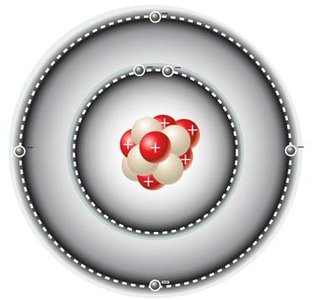
Carbon is the fundamental building block of life, forming the backbone of organic molecules found in all living organisms. Its unique chemical properties allow it to form stable covalent bonds with a variety of other atoms, enabling the diversity of biological molecules.
Versatility: Carbon can form four covalent bonds, allowing for complex molecular structures.
Bond Stability: Covalent bonds formed by carbon are stable across a wide range of temperatures, making them ideal for biological systems.
Common Partners: In biological molecules, carbon commonly bonds with hydrogen (H), oxygen (O), nitrogen (N), phosphorus (P), and sulfur (S).
Polar and Nonpolar Covalent Bonds
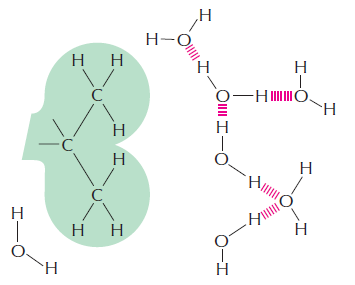
The type of covalent bond formed by carbon depends on the electronegativity of the atoms involved. This determines whether the bond is polar or nonpolar, which in turn affects the molecule's solubility and reactivity.
Nonpolar Bonds: Formed when carbon bonds with atoms of similar electronegativity, such as hydrogen (C-H) or another carbon (C-C). These bonds are hydrophobic and do not dissolve well in water.
Polar Bonds: Formed when carbon bonds with more electronegative atoms like oxygen (C-O), nitrogen (C-N), phosphorus (C-P), or sulfur (C-S). These bonds are hydrophilic and dissolve in water.
Functional Groups
Overview of Functional Groups
Functional groups are specific groups of atoms within molecules that have characteristic properties and chemical reactivity. They are critical in determining the behavior and function of organic molecules in biological systems.
Definition: Functional groups are clusters of atoms that impart specific chemical properties to molecules.
Importance: They participate in characteristic reactions and are essential for the structure and function of biomolecules.

Major Functional Groups in Biology
Functional Group | Formula | Example | Properties |
|---|---|---|---|
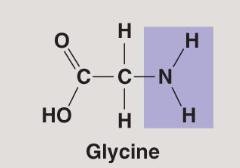
Amino | -NH2 | Amino acids | Weakly basic, polar, forms hydrogen bonds |
Carbonyl (Ketone) | -CO- | Acetone | Polar, highly reactive, forms hydrogen bonds |
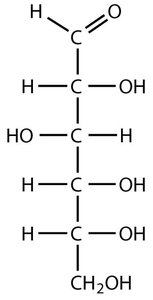
Carbonyl (Aldehyde) | -CHO | Glucose | Polar, highly reactive, forms hydrogen bonds |
Carboxyl | -COOH | Amino acids, fatty acids | Acidic, polar, forms hydrogen bonds |
Hydroxyl | -OH | Alcohols, carbohydrates | Polar, forms hydrogen bonds |
Methyl | -CH3 | DNA, proteins | Nonpolar, affects gene expression |
Phosphate | -PO42- | Nucleic acids, ATP | Polar, negatively charged, acidic |
Sulfate | -SO4- | Carbohydrates, proteins, lipids | Polar, negatively charged |
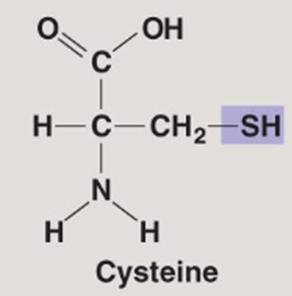
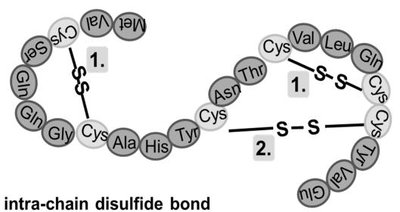
Sulfhydryl | -SH | Proteins (cysteine) | Polar, forms disulfide bridges |
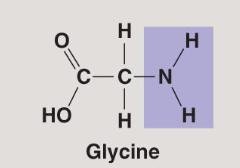
Amino Group
The amino group is weakly basic and can accept a proton at physiological pH, making it important in amino acids and protein structure.
Carbonyl Groups: Ketones and Aldehydes
Carbonyl groups are found in both ketones and aldehydes, differing by the atoms bonded to the carbonyl carbon. They are polar and highly reactive, often participating in hydrogen bonding.

Carboxyl Group
The carboxyl group is acidic and can donate a proton to solution, becoming negatively charged. It is found in all amino acids and fatty acids.
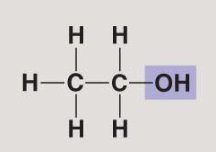
Hydroxyl Group
The hydroxyl group is polar and forms hydrogen bonds with water, increasing solubility of molecules like alcohols and carbohydrates.
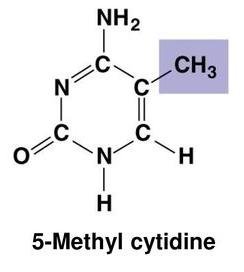
Methyl Group
The methyl group is nonpolar and can affect gene expression and protein function through methylation.
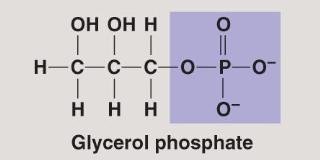
Phosphate Group
The phosphate group is weakly acidic and negatively charged at physiological pH. It is essential in nucleic acids and energy transfer molecules like ATP.
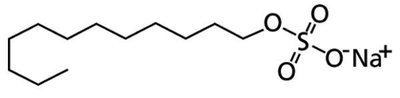
Sulfate Group
The sulfate group is negatively charged at physiological pH and may be attached to carbohydrates, proteins, and lipids.
Sulfhydryl Group
The sulfhydryl group is polar and can form disulfide bridges, which are important for protein structure and stability.
Functional Groups and Biological Function
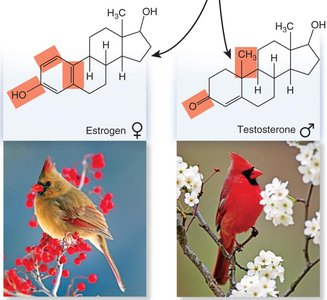
Small changes in functional groups can lead to significant differences in biological activity. For example, estrogen and testosterone differ by only two functional groups, yet have distinct effects in organisms.
Isomers
Types of Isomers
Isomers are molecules with the same molecular formula but different structures or spatial arrangements, leading to different chemical properties.
Structural Isomers: Same atoms, different bonding relationships.
Stereoisomers: Same bonding relationships, different spatial positioning of atoms.
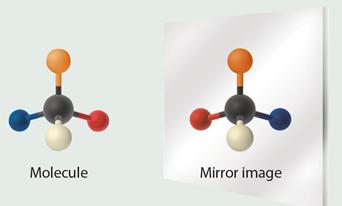
Enantiomers: Mirror images of each other, often with identical chemical properties but different biological activities.
Cis-Trans Isomers: Differ in the arrangement around a double bond (cis: same side, trans: opposite sides).
Molecules and Macromolecules
Monomers and Polymers
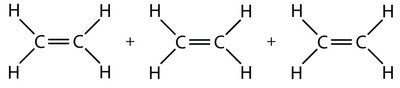
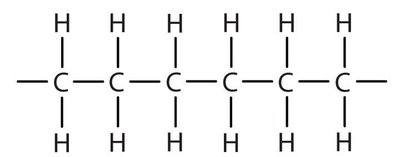
Biological macromolecules are often polymers, large molecules made by linking together smaller units called monomers. The diversity of life is built from a relatively small set of monomers.
Monomer: A single building block molecule (e.g., amino acid, nucleotide, monosaccharide, fatty acid).
Polymer: A large molecule made by covalently bonding many monomers together (e.g., protein, nucleic acid, polysaccharide, lipid).
Polymer Formation and Breakdown
Dehydration Reaction: Monomers are joined together by the removal of a water molecule, forming a covalent bond.
Hydrolysis Reaction: Polymers are broken down into monomers by the addition of a water molecule, breaking the covalent bond.


The Four Classes of Biological Molecules
Overview of Major Macromolecules
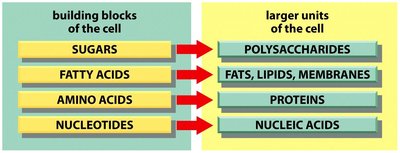
All living organisms are composed of four major classes of organic molecules, each with distinct monomers and polymers:
Carbohydrates: Monomer = monosaccharide; Polymer = polysaccharide
Lipids: Monomer = fatty acid; Polymer = fats, lipids, membranes
Proteins: Monomer = amino acid; Polymer = protein
Nucleic Acids: Monomer = nucleotide; Polymer = nucleic acid
Additional info: Understanding the structure and function of carbon-based molecules is foundational for all topics in biology, as these molecules form the basis for cellular structure, metabolism, genetic information, and more.
