 Back
Carbon and the Molecular Diversity of Life: Structure and Function of Biomolecules
Study Guide - Smart Notes
 Tailored notes based on your materials, expanded with key definitions, examples, and context.
Carbon and the Molecular Diversity of Life
Overview of Organic Compounds
Living organisms are primarily composed of carbon-based compounds, which are collectively known as organic compounds. The four main classes of organic molecules essential to life are carbohydrates, lipids, proteins, and nucleic acids. The first three classes can form large molecules called macromolecules.
Carbohydrates: Serve as fuel and building material.
Lipids: Diverse group of hydrophobic molecules, including fats, phospholipids, and steroids.
Proteins: Perform a wide range of functions, including catalysis, structure, and transport.
Nucleic acids: Store, transmit, and help express hereditary information.
Carbon: The Backbone of Life
Bonding Properties of Carbon
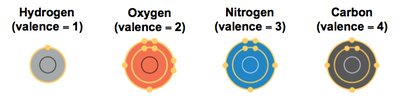
Carbon's electron configuration allows it to form up to four covalent bonds, making it uniquely suited to form large, complex, and diverse molecules. The versatility of carbon is foundational to the architecture of living molecules.
Carbon atoms can bond to other carbons, forming chains, rings, and branched structures.
Common bonding partners include hydrogen, oxygen, and nitrogen.
Variation in Carbon Skeletons
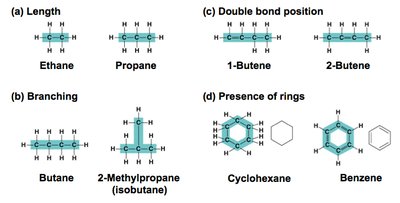
The diversity of organic molecules arises from variations in the carbon skeletons, which can differ in length, branching, double bond position, and the presence of rings.
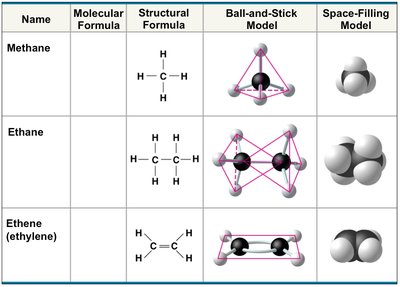
Hydrocarbons are organic molecules consisting only of carbon and hydrogen.
Hydrocarbons can release large amounts of energy during reactions.
Chemical Groups Most Important to Life
Functional Groups
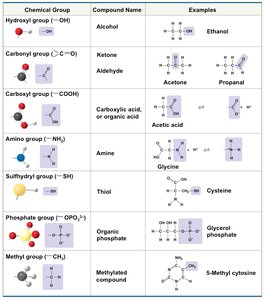
Functional groups are specific groups of atoms within molecules that are responsible for the characteristic chemical reactions of those molecules. The number and arrangement of functional groups give each molecule its unique properties.
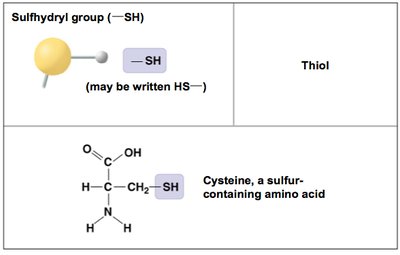
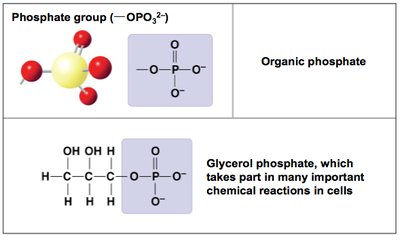
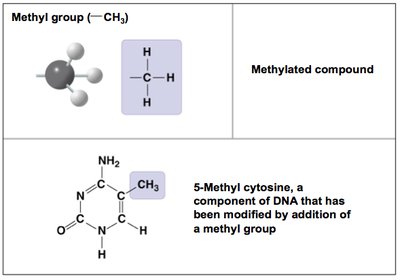
Seven key functional groups: hydroxyl, carbonyl, carboxyl, amino, sulfhydryl, phosphate, methyl.
Examples of Functional Groups
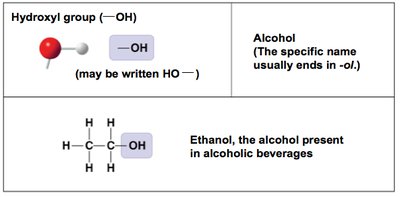
Hydroxyl group (–OH): Alcohols, such as ethanol.
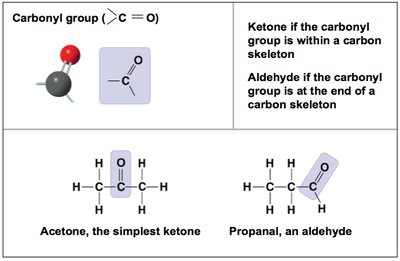
Carbonyl group (>C=O): Ketones and aldehydes, such as acetone and propanal.
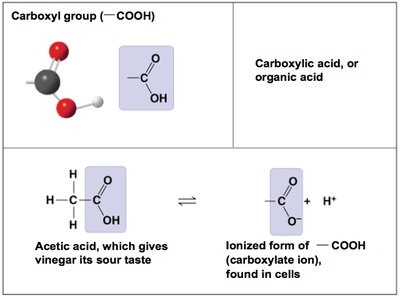
Carboxyl group (–COOH): Carboxylic acids, such as acetic acid.
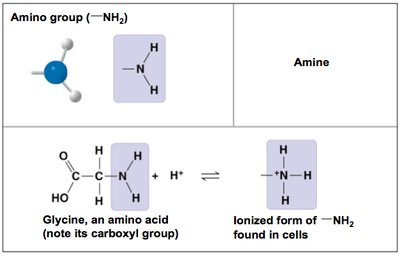
Amino group (–NH2): Amines, such as glycine.
Sulfhydryl group (–SH): Thiols, such as cysteine.
Phosphate group (–OPO32–): Organic phosphates, such as glycerol phosphate.
Methyl group (–CH3): Methylated compounds, such as 5-methyl cytosine.
ATP: The Energy Currency of the Cell
Structure and Function of ATP
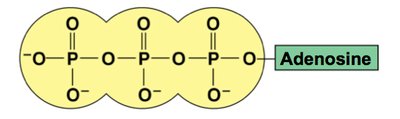
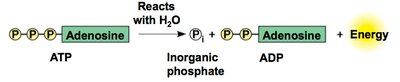
Adenosine triphosphate (ATP) is the primary energy-transferring molecule in cells. It consists of adenosine attached to three phosphate groups. Hydrolysis of ATP releases energy used for cellular work.
ATP hydrolysis:
Macromolecules: Polymers and Monomers
Polymer Formation and Breakdown
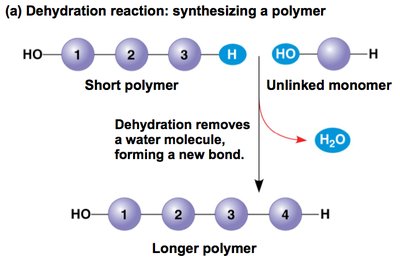
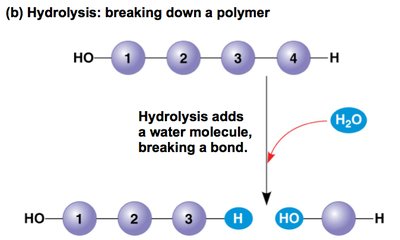
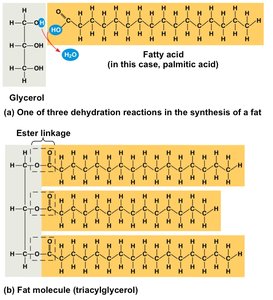
Macromolecules are polymers built from monomers. Cells synthesize polymers via dehydration reactions (removal of water) and break them down via hydrolysis (addition of water). Enzymes facilitate these processes.
Carbohydrates
Structure and Function
Carbohydrates include sugars and their polymers. The simplest carbohydrates are monosaccharides (simple sugars), which can combine to form disaccharides and polysaccharides.
General formula:
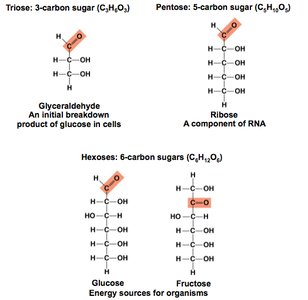
Glucose () is the most common monosaccharide.
Monosaccharides are classified by the number of carbons and the position of the carbonyl group.
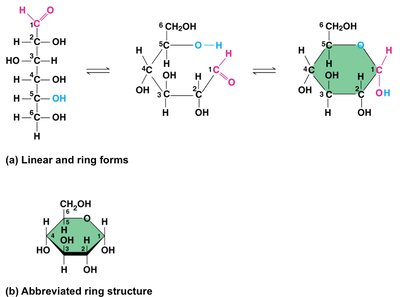
Disaccharides and Polysaccharides
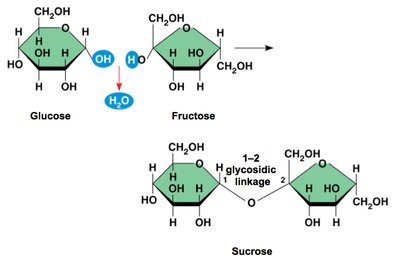
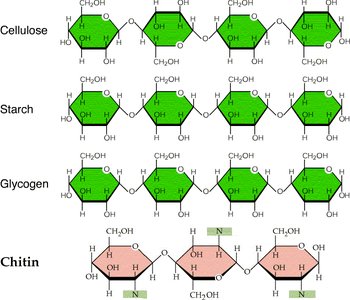
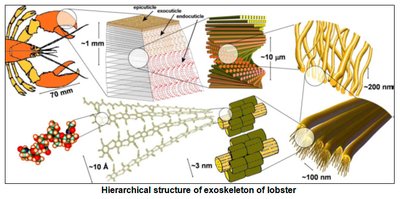
A disaccharide forms when two monosaccharides join via a glycosidic linkage (dehydration reaction). Polysaccharides serve as storage (e.g., starch, glycogen) or structural (e.g., cellulose, chitin) molecules.
Lipids
Structure and Types
Lipids are hydrophobic molecules that do not form true polymers. Major types include fats, phospholipids, and steroids.
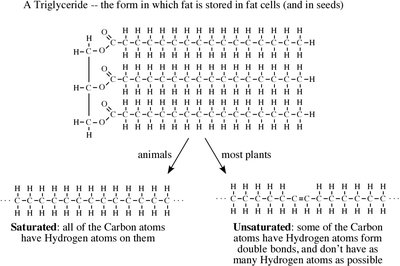
Fats are constructed from glycerol and fatty acids, joined by ester linkages to form triglycerides.
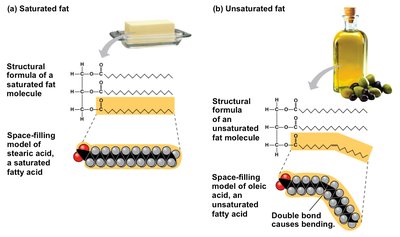
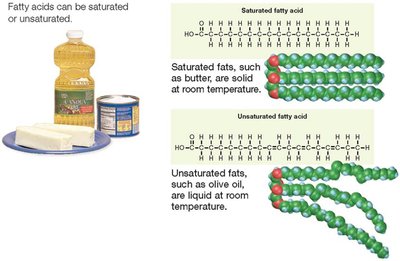
Fatty acids can be saturated (no double bonds, solid at room temperature) or unsaturated (one or more double bonds, liquid at room temperature).
Phospholipids and Steroids
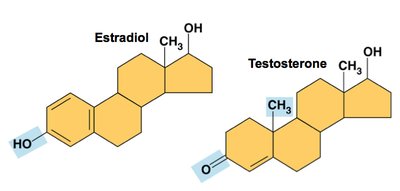
Phospholipids have two fatty acids and a phosphate group attached to glycerol. They form bilayers in cell membranes. Steroids are lipids with four fused rings; examples include cholesterol and sex hormones.
Proteins
Structure and Function
Proteins are polymers of amino acids and account for more than 50% of the dry mass of most cells. They perform diverse functions, including catalysis (enzymes), transport, support, movement, and defense.
Amino acids are linked by peptide bonds to form polypeptides.
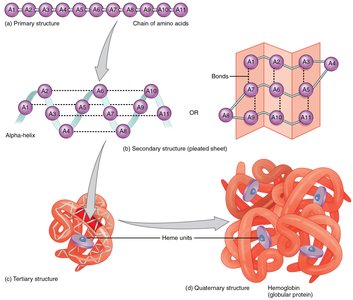
Each protein has a unique sequence of amino acids (primary structure).
Levels of Protein Structure
Primary structure: Sequence of amino acids.
Secondary structure: Coils and folds (alpha-helix, beta-sheet).
Tertiary structure: Overall 3D shape due to side chain interactions.
Quaternary structure: Association of multiple polypeptide chains.
A change in primary structure can affect protein function (e.g., sickle-cell disease).
Nucleic Acids
DNA and RNA Structure
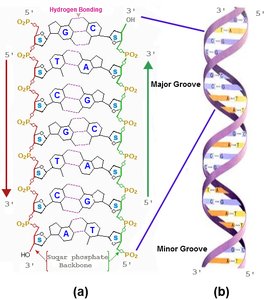
Nucleic acids (DNA and RNA) store and transmit hereditary information. They are polymers of nucleotides, each consisting of a nitrogenous base, a pentose sugar, and one or more phosphate groups.
DNA is double-stranded and forms a double helix; RNA is usually single-stranded.
Base pairing: In DNA, adenine (A) pairs with thymine (T), and guanine (G) pairs with cytosine (C).
In RNA, uracil (U) replaces thymine.
Genetic Information and Evolution
The sequence of nucleotides in DNA encodes genetic information, which is passed from parents to offspring. Molecular biology uses DNA and protein sequences to assess evolutionary relationships among species.
