 Back
Carbon and the Molecular Diversity of Life: Study Notes for General Biology
Study Guide - Smart Notes
 Tailored notes based on your materials, expanded with key definitions, examples, and context.
Carbon and the Molecular Diversity of Life
Introduction to Carbon Compounds
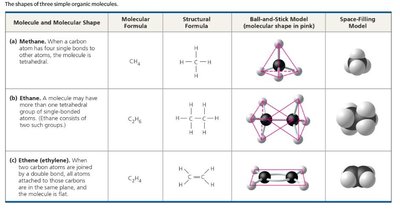
Carbon is a fundamental element in biological molecules, forming the backbone of organic compounds essential for life. Its unique ability to form four covalent bonds allows for a vast diversity of molecular structures.
Organic compounds are defined as carbon-containing molecules.
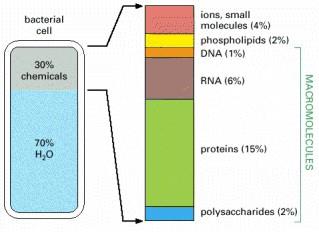
Living organisms are composed primarily of water (60-70%) and carbon (18%).
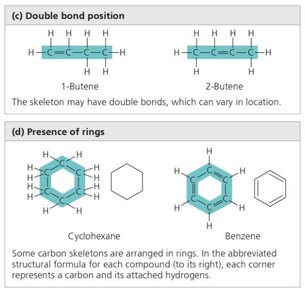
Carbon can bond with hydrogen, oxygen, nitrogen, and itself, creating branches, chains, and rings.
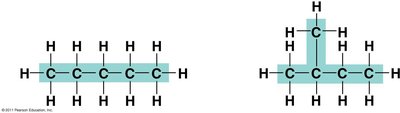
Carbon compounds can vary in shape, length, branching, double bond position, and ring presence.
Isomers
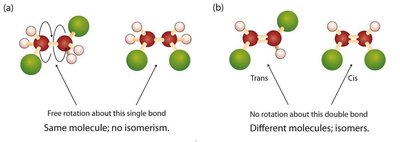
Isomers are molecules with the same molecular formula but different structures and properties. They are classified into three main types:
Structural isomers: Differ in the arrangement of atoms and/or location of double bonds.
Cis-trans (geometric) isomers: Atoms differ in spatial arrangement due to the inflexibility of double bonds.
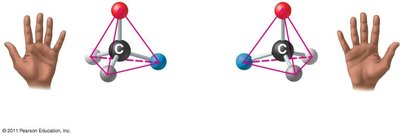
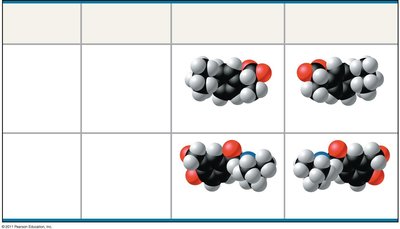
Enantiomers: Non-superimposable mirror images of each other, important in pharmaceuticals.
Functional Groups
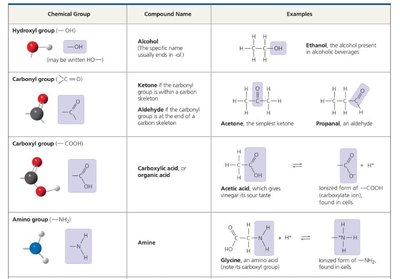
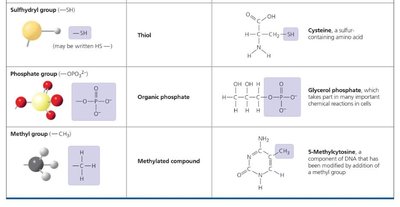
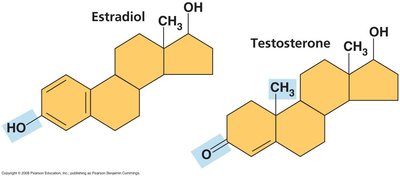
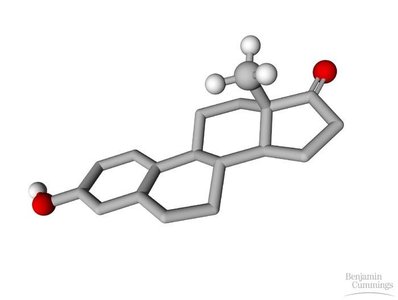
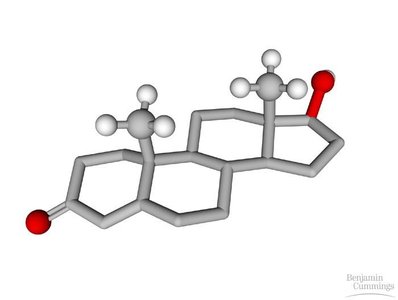
Functional groups are specific groups of atoms within molecules that are responsible for the characteristic chemical reactions of those molecules. The number and arrangement of functional groups give each molecule its unique properties.
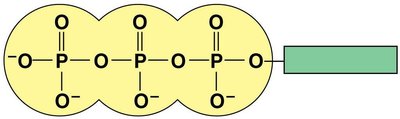
Seven major functional groups: Hydroxyl, Carbonyl, Carboxyl, Amino, Sulfhydryl, Phosphate, Methyl.
Functional groups can affect molecular shape and participate directly in chemical reactions.
ATP (adenosine triphosphate) is a key energy-storing molecule, consisting of adenosine and three phosphate groups.

Macromolecules and Their Building Blocks
Macromolecules: Polymers and Monomers
Macromolecules are large molecules made of thousands of covalently connected atoms. Most biological macromolecules are polymers, except lipids.
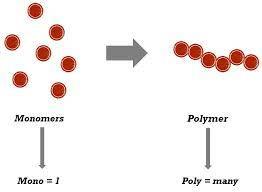
Polymer: Long molecule made of many similar small building blocks (monomers) linked by covalent bonds.
Monomer: Small building-block molecule; some function independently (e.g., monosaccharides).
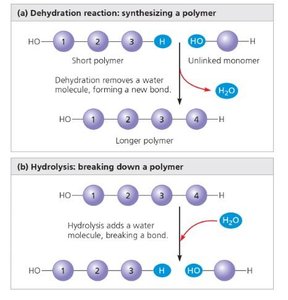
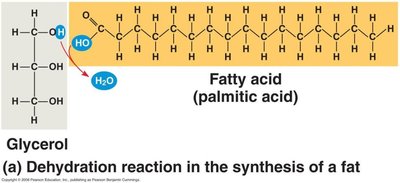
Polymers are synthesized by dehydration reactions (removal of water) and broken down by hydrolysis (addition of water).
Carbohydrates
Monosaccharides
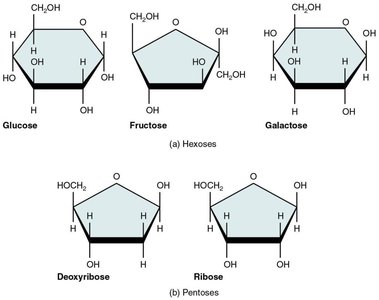
Monosaccharides are the simplest carbohydrates, serving as fuel and building blocks for other molecules. They typically have 3-7 carbons and follow the general formula (CH2O)n.
Classified by the location of their carbonyl group: Aldose (end of chain) or Ketose (middle of chain).
Examples: Glucose (C6H12O6), Fructose, Galactose.
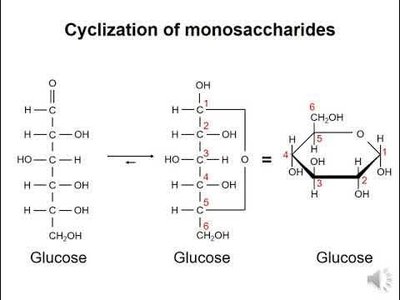
Monosaccharides can exist in linear or cyclic forms.
Disaccharides
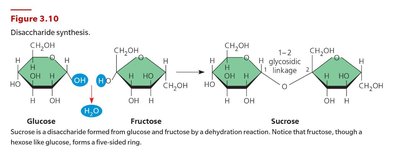
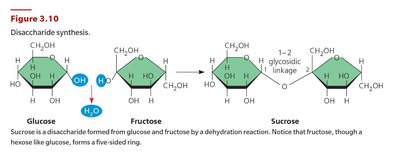
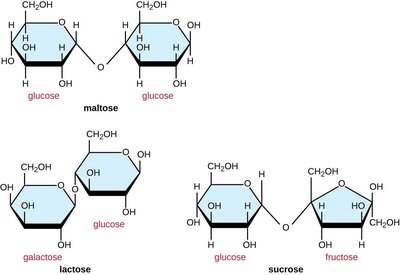
Disaccharides are formed by joining two monosaccharides via a dehydration reaction, resulting in a covalent bond called a glycosidic linkage.
Examples: Maltose (glucose + glucose), Lactose (galactose + glucose), Sucrose (glucose + fructose).
Formula for disaccharide: (after removal of H2O).
Polysaccharides
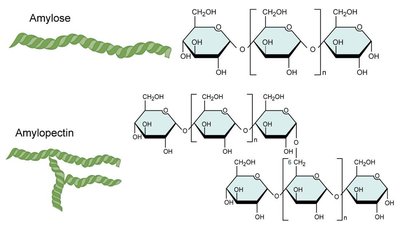
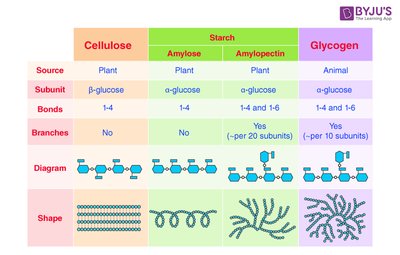
Polysaccharides are long chains of monosaccharides joined by glycosidic linkages. They serve as energy storage or structural components.
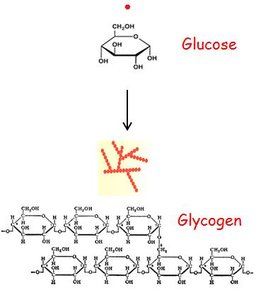
Storage polysaccharides: Starch (plants), Glycogen (animals).
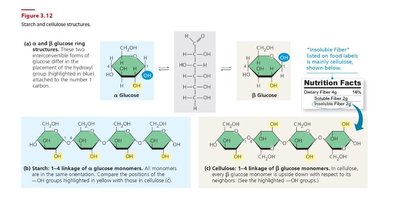
Structural polysaccharides: Cellulose (plants).
Starch can be unbranched (amylose) or branched (amylopectin).
Glycogen is highly branched and stored in liver and muscle cells.
Cellulose is unbranched and forms plant cell walls; humans cannot digest cellulose.



Lipids
Functions and Types of Lipids
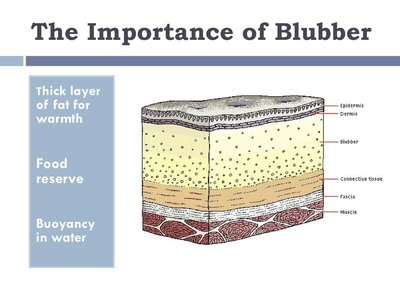
Lipids are hydrophobic molecules important for energy storage, cushioning, and insulation. They include fats, phospholipids, and steroids.
Fats: Store energy in adipose cells (mammals) and seed oil (plants).
Phospholipids: Major component of cell membranes.
Steroids: Include cholesterol and hormones.
Fats (Triglycerides)
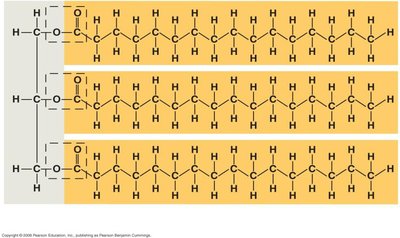
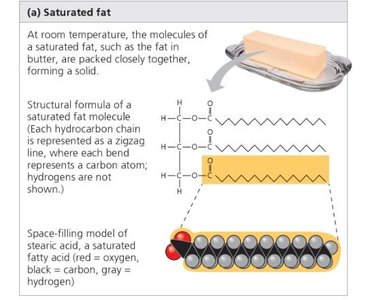
Fats are composed of one glycerol and three fatty acid tails, joined by ester linkages through dehydration reactions.
Saturated fats: No double bonds; solid at room temperature (e.g., butter, lard).
Unsaturated fats: One or more double bonds; liquid at room temperature (e.g., oils).
Trans fats: Produced by hydrogenation; associated with health risks.
Phospholipids
Phospholipids consist of two fatty acid tails, a glycerol, a phosphate group, and a modifier group. They are amphipathic, with hydrophilic heads and hydrophobic tails, forming bilayers in cell membranes.
Phospholipid bilayers spontaneously form in water, creating the basis of cell membranes.
Steroids
Steroids are lipids with a four-ring carbon skeleton. Cholesterol is a key steroid, serving as a membrane component and precursor to other steroids.
Many hormones, including sex hormones, are steroids.
Summary Table: Carbohydrate Polysaccharides
The following table compares the main structural and storage polysaccharides in plants and animals:
Polysaccharide | Source | Subunit | Bonds | Branches | Diagram | Shape |
|---|---|---|---|---|---|---|
Cellulose | Plant | β-glucose | 1-4 | No | Linear | Rigid, straight |
Starch (Amylose) | Plant | α-glucose | 1-4 | No | Helical | Coiled |
Starch (Amylopectin) | Plant | α-glucose | 1-4 and 1-6 | Yes (per ~20 subunits) | Branched | Coiled, branched |
Glycogen | Animal | α-glucose | 1-4 and 1-6 | Yes (per ~10 subunits) | Highly branched | Branched, compact |
Key Terms and Concepts
Dehydration reaction: Synthesis of polymers by removing water.
Hydrolysis: Breakdown of polymers by adding water.
Glycosidic linkage: Covalent bond joining monosaccharides in carbohydrates.
Ester linkage: Covalent bond joining fatty acids to glycerol in fats.
Amphipathic: Molecule with both hydrophilic and hydrophobic regions (e.g., phospholipids).
Example Applications
Ibuprofen and Albuterol: Enantiomers can have different biological effects.
Cellulose: Humans cannot digest cellulose due to lack of appropriate enzymes.
Trans fats: Associated with increased risk of coronary artery disease.
Equations and Formulas
General formula for monosaccharides:
Dehydration synthesis (disaccharide):
ATP hydrolysis:
Additional info:
Enzymes facilitate both dehydration and hydrolysis reactions in carbohydrates, lipids, and proteins.
Phospholipids are the major component of all cell membranes, forming a bilayer that separates the internal environment from the external environment.
