 Back
Carbon and the Molecular Diversity of Life: Study Notes
Study Guide - Smart Notes
 Tailored notes based on your materials, expanded with key definitions, examples, and context.
Carbon and the Molecular Diversity of Life
Importance of Carbon in Biological Molecules
Carbon is the foundational element in organic compounds, which make up the majority of molecules in living organisms aside from water. Its unique ability to form four covalent bonds allows for the creation of large, complex, and diverse molecules essential for life.
Organic Compounds: Molecules containing carbon; examples include carbohydrates, lipids, proteins, and nucleic acids.
Macromolecules: Large molecules formed from smaller units (monomers); carbohydrates, lipids, and proteins are macromolecules.
Versatility: Carbon's electron configuration enables it to bond with many elements, forming a variety of structures.
Atomic Properties of Carbon
Understanding carbon's atomic structure is key to its chemical behavior and bonding capabilities.
Atomic Symbol: C
Atomic Number: 6
Atomic Mass: 12.01
Valence Electrons: 4 (allows formation of four covalent bonds)
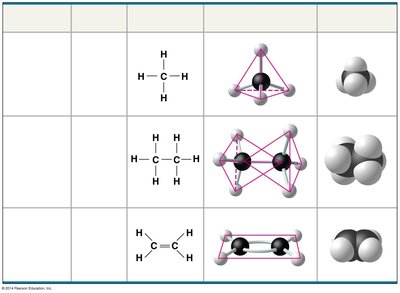
The Formation of Bonds with Carbon
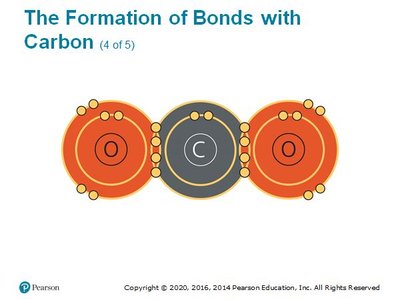
Carbon forms covalent bonds with a variety of atoms, enabling the construction of complex molecules. The shape and arrangement of these bonds are determined by the electron configuration.
Tetrahedral Shape: When carbon is bonded to four other atoms, the molecule adopts a tetrahedral geometry.
Double Bonds: When two carbons are joined by a double bond, the atoms attached to them lie in the same plane.

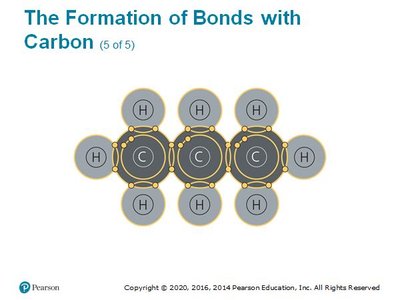
Carbon Skeletons and Molecular Diversity
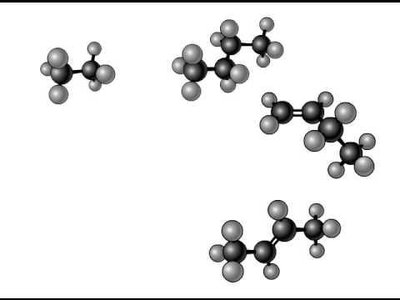
Carbon chains form the backbone of most organic molecules. These skeletons can vary in length, branching, double bond position, and ring structure, contributing to molecular diversity.
Length: Carbon chains can be short or long.
Branching: Chains may be straight or branched.
Double Bond Position: Double bonds can occur at different positions along the chain.
Rings: Carbon atoms can form ring structures.
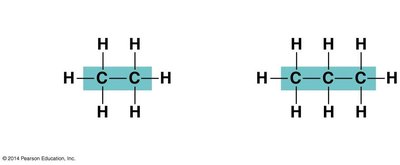
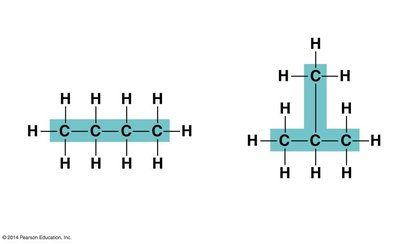
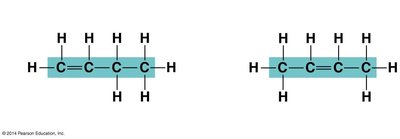
Hydrocarbons
Hydrocarbons are organic molecules composed only of carbon and hydrogen. They are important energy sources and structural components in biological molecules.
Energy Release: Hydrocarbons can undergo reactions that release significant energy.
Examples: Fats contain hydrocarbon components.
Functional Groups in Organic Molecules
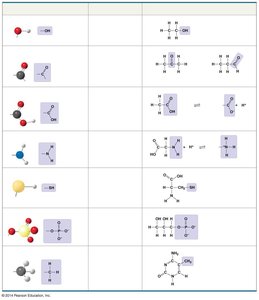
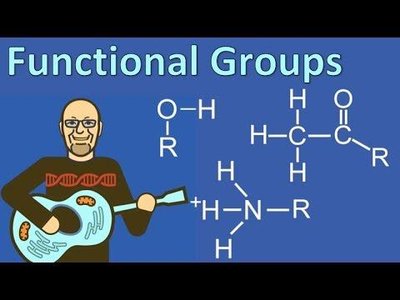
Functional groups are specific groups of atoms within molecules that are responsible for the characteristic chemical reactions of those molecules. The number and arrangement of functional groups determine the properties and reactivity of organic compounds.
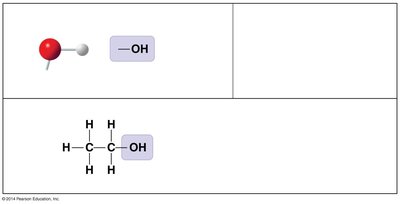
Hydroxyl group (–OH): Found in alcohols; increases solubility in water.
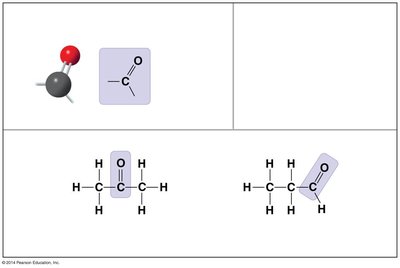
Carbonyl group (C=O): Found in ketones and aldehydes; affects reactivity.
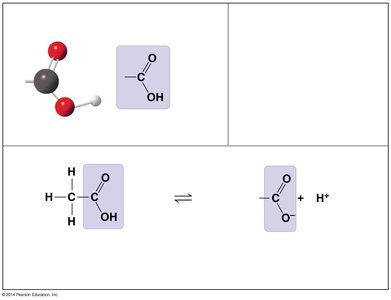
Carboxyl group (–COOH): Found in acids; can donate a proton (H+).
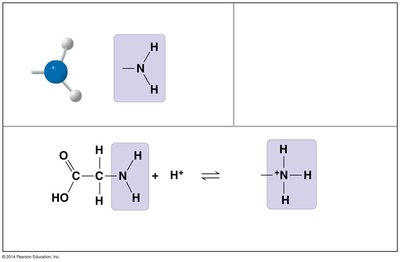
Amino group (–NH2): Found in amines and amino acids; acts as a base.
Sulfhydryl group (–SH): Found in thiols; important in protein structure.
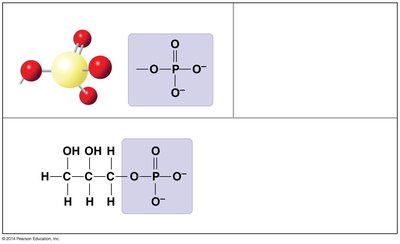
Phosphate group (–OPO32–): Found in organic phosphates; involved in energy transfer.
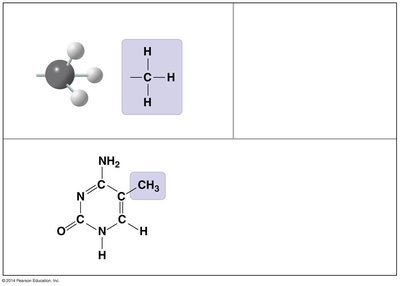
Methyl group (–CH3): Found in methylated compounds; affects gene expression.
ATP: An Important Source of Energy for Cellular Processes
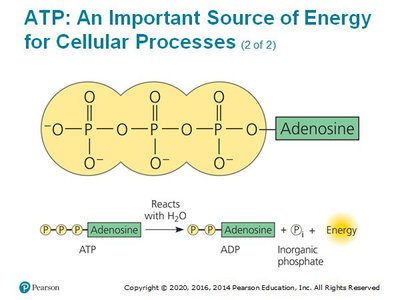
Adenosine triphosphate (ATP) is the primary energy-transferring molecule in cells. It consists of adenosine attached to three phosphate groups. Hydrolysis of ATP releases energy used for cellular work.
Structure: ATP = Adenosine + 3 phosphate groups
Energy Release: ATP hydrolysis produces ADP, inorganic phosphate, and energy
Macromolecules: Polymers and Monomers
Macromolecules are large molecules made up of repeating units called monomers. The diversity of macromolecules arises from the variety of monomers and their arrangements.
Polymer: Long molecule consisting of many similar building blocks (monomers)
Monomer: Small molecule that can join with others to form a polymer
Formation and Breakdown of Macromolecules
Dehydration Synthesis
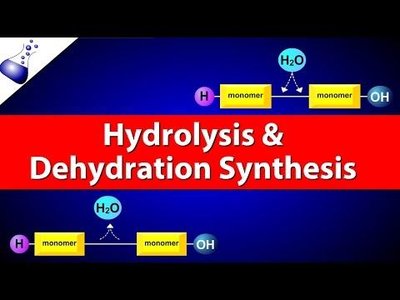
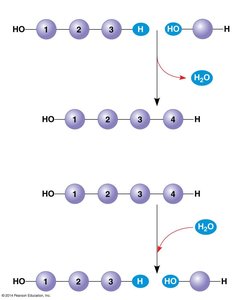
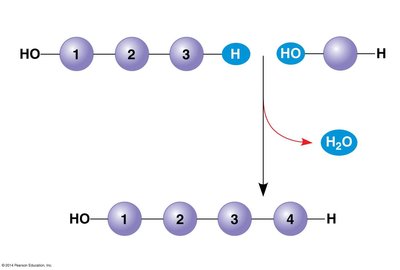
Polymers are formed by joining monomers through dehydration synthesis, which removes a water molecule to form a new bond.
Process: Two monomers bond together, releasing water
Equation:
Hydrolysis
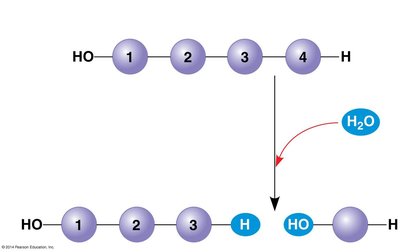
Polymers are broken down into monomers by hydrolysis, which adds a water molecule to break a bond.
Process: Water is added, breaking the bond between monomers
Equation:
Diversity of Polymers
Each cell contains thousands of different macromolecules, which vary among cells, species, and between species. This diversity is possible due to the vast array of monomers and their combinations.
Variety: Immense diversity of polymers from a small set of monomers
Biological Importance: Enables complexity and specialization in living organisms
Summary Table: Functional Groups
The following table summarizes the main functional groups important in biological molecules, their structure, compound name, and examples.
Functional Group | Structure | Compound Name | Example |
|---|---|---|---|
Hydroxyl | –OH | Alcohol | Ethanol |
Carbonyl | C=O | Ketone/Aldehyde | Acetone/Propanal |
Carboxyl | –COOH | Carboxylic acid | Acetic acid |
Amino | –NH2 | Amine | Glycine |
Sulfhydryl | –SH | Thiol | Cysteine |
Phosphate | –OPO32– | Organic phosphate | Glycerol phosphate |
Methyl | –CH3 | Methylated compound | 5-Methyl cytosine |
Additional info: The acetyl group is sometimes included as a functional group in advanced biochemistry, but is not one of the seven most common groups in introductory biology.
----------------------------------------
