 Back
BackCarbon, Chemical Reactions, and Functional Groups: The Foundation of Organic Biology
Study Guide - Smart Notes
 Tailored notes based on your materials, expanded with key definitions, examples, and context.
Carbon: The Building Block of Life
Properties of Carbon
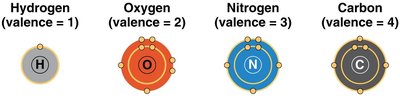
Carbon is fundamental to all known life forms due to its unique chemical properties. It forms the backbone of organic molecules, which are defined as compounds containing both carbon and hydrogen. Carbon's ability to form four covalent bonds allows for a vast diversity of molecular structures, including chains, rings, and branches.
Valence Electrons: Carbon has four valence electrons, enabling it to form stable bonds with many elements, especially hydrogen, oxygen, and nitrogen.
Bond Types: Carbon can form single, double, and triple bonds, contributing to molecular diversity.
Organic vs. Inorganic: Organic compounds contain carbon and hydrogen; inorganic compounds may contain carbon but lack hydrogen.
Carbon-Based Life and Alternatives
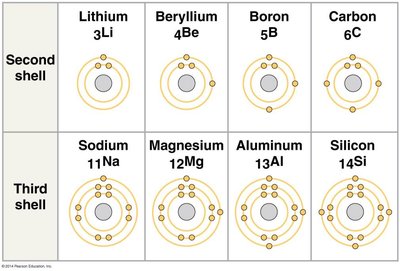
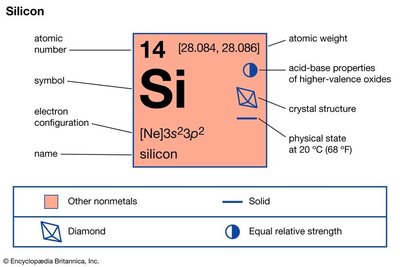
All terrestrial life is carbon-based, but scientists speculate that other elements, such as silicon, could serve as the basis for life elsewhere due to similar valence properties. The search for carbon structures on Mars exemplifies the importance of carbon in the quest for extraterrestrial life.

Organic Compounds and Hydrocarbons
Hydrocarbons
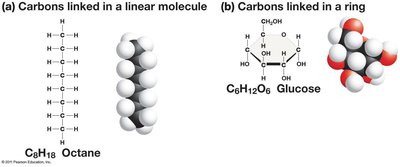
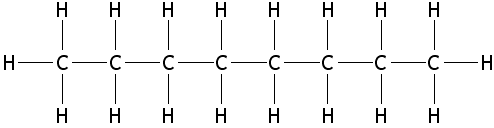
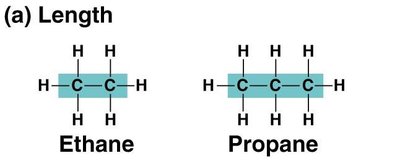
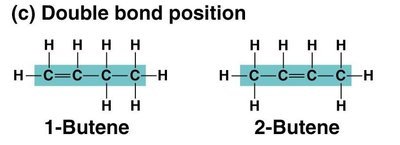
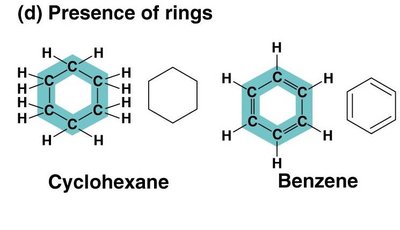
Hydrocarbons are the simplest organic compounds, consisting only of carbon and hydrogen. They are hydrophobic and release significant energy when broken down.
Examples: Methane (CH4), Propane (C3H8), Benzene (C6H6), Octane (C8H18).
Structure: Hydrocarbons can be linear, branched, or cyclic.
Organic Building Blocks
Organic molecules are constructed from a limited set of elements, primarily carbon, hydrogen, oxygen, nitrogen, phosphorus, and sulfur. These elements form the basis of macromolecules such as carbohydrates, lipids, proteins, and nucleic acids.
Isomers: Structural Diversity in Organic Molecules
Types of Isomers
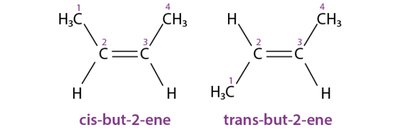
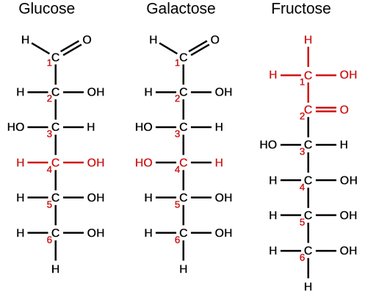
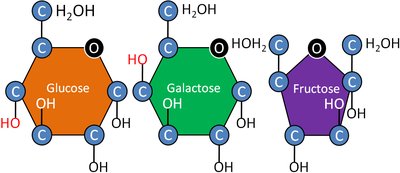
Isomers are molecules with the same molecular formula but different structural arrangements. This diversity is crucial for biological function.
Structural Isomers: Differ in the covalent arrangement of atoms.
Cis-Trans Isomers (Geometric Isomers): Differ in spatial arrangement around a double bond.
Enantiomers: Mirror images of each other, differing in spatial arrangement around an asymmetric carbon.
Functional Groups: Chemical Properties of Organic Molecules
Overview of Functional Groups
Functional groups are specific groups of atoms within molecules that confer distinct chemical properties. They are essential for the function and reactivity of biological macromolecules.
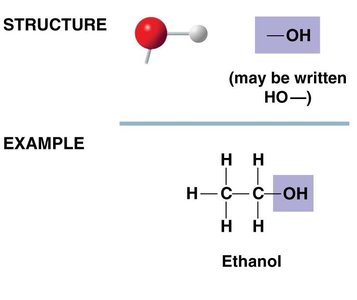
Hydroxyl Group (–OH): Polar, forms hydrogen bonds, found in alcohols and sugars.
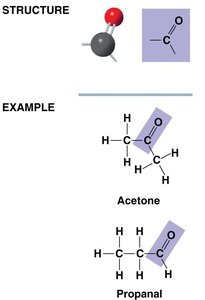
Carbonyl Group (C=O): Polar, found in aldehydes and ketones.
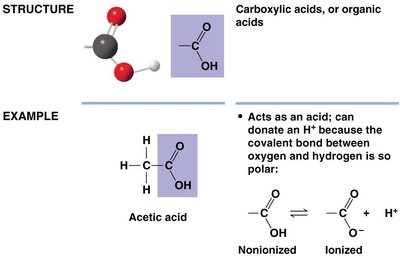
Carboxyl Group (–COOH): Polar, acidic, found in carboxylic acids.
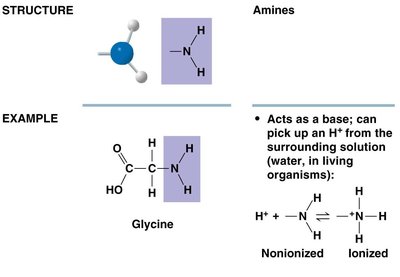
Amino Group (–NH2): Polar, basic, found in amines and proteins.
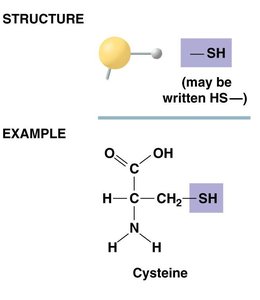
Sulfhydryl Group (–SH): Polar, forms disulfide bridges in proteins.
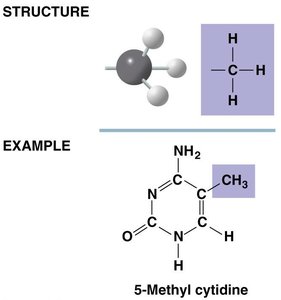
Methyl Group (–CH3): Non-polar, hydrophobic, makes compounds unreactive.
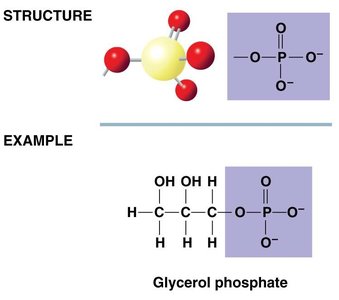
Phosphate Group (–PO4): Polar, negatively charged, forms backbone of DNA, important in ATP.
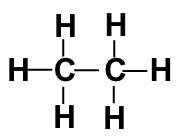
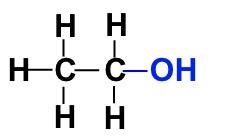
Hydroxyl Group
The hydroxyl group is polar and enables molecules to form hydrogen bonds with water, increasing solubility. It is commonly found in alcohols and sugars.
Carbonyl Group
The carbonyl group is polar and is found in aldehydes (at the end of a carbon chain) and ketones (within a carbon chain). It is important in sugars and metabolic intermediates.
Carboxyl Group
The carboxyl group is polar and acidic, capable of donating a proton (H+). It is found in carboxylic acids and is essential for amino acid structure.
Amino Group
The amino group is polar and basic, able to accept a proton. It is found in amines and is a key component of amino acids, the building blocks of proteins.
Sulfhydryl Group
The sulfhydryl group is polar and forms disulfide bridges, which stabilize protein structure. It is found in cysteine, an amino acid.
Methyl Group
The methyl group is non-polar and hydrophobic, often used to modify DNA and proteins, affecting their activity and function.
Phosphate Group
The phosphate group is polar and negatively charged, playing a critical role in energy transfer (ATP) and forming the backbone of nucleic acids.
ATP: The Cellular Energy Currency
Structure and Function of ATP
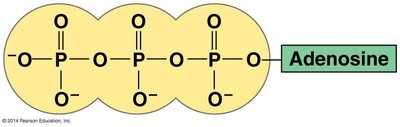
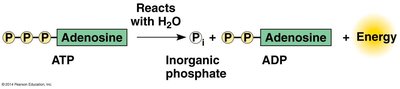
Adenosine Triphosphate (ATP) is an organic molecule that stores and transfers energy within cells. The energy is released when ATP reacts with water, breaking a phosphate bond and forming ADP (adenosine diphosphate).
ATP Structure: Consists of adenosine and three phosphate groups.
Energy Release: Hydrolysis of ATP releases energy for cellular processes.
Summary Table: Functional Groups and Their Properties
Functional Group | Structure | Properties | Example |
|---|---|---|---|
Hydroxyl | –OH | Polar, forms hydrogen bonds | Ethanol |
Carbonyl | C=O | Polar, found in aldehydes/ketones | Acetone, Propanal |
Carboxyl | –COOH | Polar, acidic | Acetic acid |
Amino | –NH2 | Polar, basic | Glycine |
Sulfhydryl | –SH | Polar, forms disulfide bridges | Cysteine |
Methyl | –CH3 | Non-polar, hydrophobic | 5-Methyl cytidine |
Phosphate | –PO4 | Polar, negatively charged | Glycerol phosphate, ATP |
Key Terminologies to Understand
Organic vs Inorganic
Carbon backbone
Valence electrons
Hydrocarbon
Isomer (structural, cis/trans, enantiomer)
Macromolecule
Functional group (hydroxyl, carbonyl, carboxyl, amino, sulfhydryl, phosphate, methyl)
ATP
Additional info:
Silicon is considered as a possible alternative to carbon for life due to its similar valence electron configuration, but its chemical versatility is less than carbon.
Functional groups are critical for the biological activity of macromolecules, influencing solubility, reactivity, and interaction with other molecules.
