 Back
BackCarbon: The Backbone of Life and Its Chemical Diversity
Study Guide - Smart Notes
 Tailored notes based on your materials, expanded with key definitions, examples, and context.
Carbon: The Backbone of Life
Versatility of Carbon
Carbon is a fundamental element in biology due to its unique ability to form four covalent bonds, allowing for a vast diversity of stable organic molecules. This property makes carbon the backbone of all major biomolecules found in living organisms.
Tetravalency: Carbon has four valence electrons, enabling it to form up to four covalent bonds with other atoms, including other carbon atoms.
Bond Types: Carbon can form single, double, and triple bonds, increasing the diversity of molecular structures.
Presence in Biomolecules: Carbon is a key component of sugars, lipids, proteins, and nucleic acids.
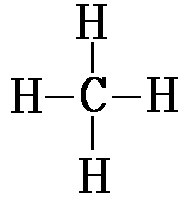
Example: Methane (CH4) is the simplest organic molecule, demonstrating carbon's tetravalency.
Carbon Compounds in Biology
Monosaccharides and Disaccharides
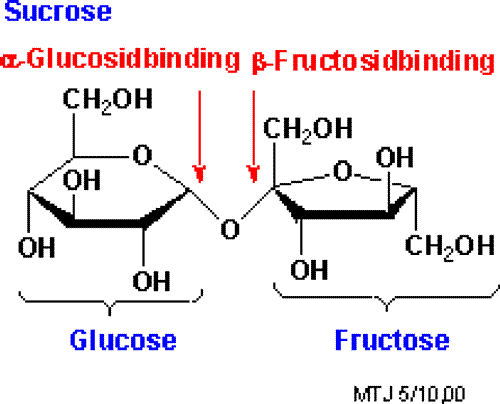
Monosaccharides are the simplest carbohydrates and serve as building blocks for more complex sugars. Disaccharides are formed by the linkage of two monosaccharides via a glycosidic bond.
Monosaccharides: Examples include glucose, ribose, and deoxyribose.
Disaccharides: Sucrose is a common disaccharide composed of glucose and fructose.
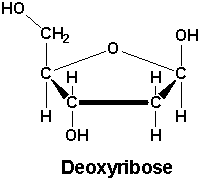
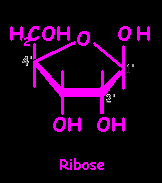
Example: Deoxyribose is a component of DNA, while ribose is found in RNA.
Lipids: Fats and Fatty Acids
Fats are a type of lipid constructed from glycerol and fatty acids. Fatty acids can be saturated or unsaturated, affecting the physical properties of fats.
Glycerol: A three-carbon alcohol that forms the backbone of fats.
Fatty Acids: Long hydrocarbon chains with a carboxyl group at one end; can be saturated (no double bonds) or unsaturated (one or more double bonds).
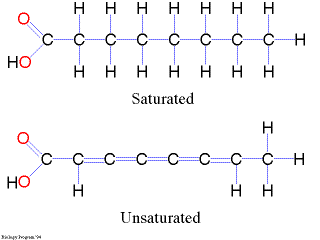
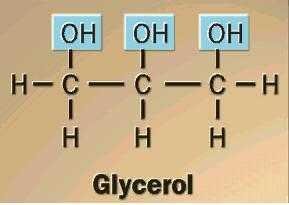
Example: Saturated fats are typically solid at room temperature, while unsaturated fats are liquid.
Polysaccharides
Polysaccharides are long chains of monosaccharide units linked by glycosidic bonds. They serve as energy storage (e.g., starch, glycogen) or structural components (e.g., cellulose) in cells.
Starch: Storage polysaccharide in plants, composed of α-glucose units.
Cellulose: Structural polysaccharide in plant cell walls, composed of β-glucose units.
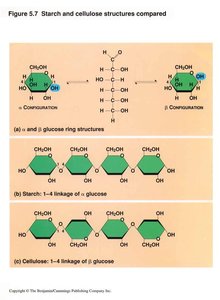
Example: Humans can digest starch but not cellulose due to differences in glycosidic linkages.
Isomers
Definition and Types of Isomers
Isomers are molecules with the same molecular formula but different structural arrangements, resulting in distinct properties. There are three main types of isomers: structural, geometric, and enantiomers.
Structural Isomers: Differ in the covalent arrangement of atoms.
Geometric Isomers (Cis-Trans): Differ in spatial arrangement around a double bond.
Enantiomers: Mirror images of each other, differing in spatial arrangement around an asymmetric carbon.
Structural Isomers
Structural isomers have different covalent arrangements of their atoms, leading to different shapes and properties.
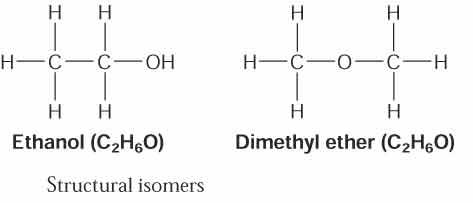
Example: Ethanol and dimethyl ether both have the formula C2H6O but different structures and properties.
Geometric Isomers
Geometric isomers (cis-trans isomers) have the same covalent bonds but differ in spatial arrangements due to the inflexibility of double bonds.
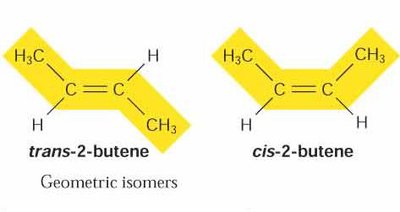
Example: Cis-2-butene and trans-2-butene differ in the position of methyl groups around the double bond.
Enantiomers
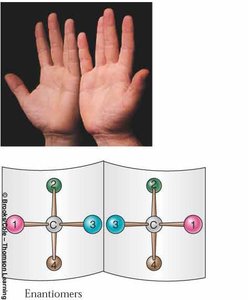
Enantiomers are isomers that are mirror images of each other, often due to the presence of an asymmetric (chiral) carbon atom. They can have drastically different biological activities.
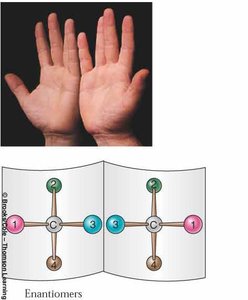
Example: L- and D- forms of amino acids; only L-amino acids are used in proteins.
Functional Groups
Definition and Importance
Functional groups are specific groups of atoms within molecules that have characteristic properties and chemical reactivity. Recognizing functional groups is essential for understanding the behavior of biomolecules.
Hydroxyl group (–OH): Found in alcohols; increases solubility in water.
Carbonyl group (C=O): Found in aldehydes and ketones.
Carboxyl group (–COOH): Found in organic acids like amino acids and fatty acids.
Amino group (–NH2): Found in amino acids; acts as a base.
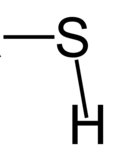
Sulfhydryl group (–SH): Found in some amino acids; forms disulfide bonds in proteins.
Phosphate group (–PO42−): Found in nucleotides and ATP; involved in energy transfer.
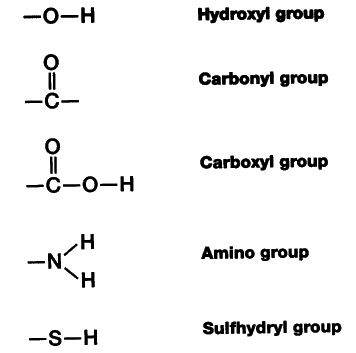
Example: The carboxyl group gives amino acids their acidic properties, while the amino group gives basic properties.
