 Back
Carbon: The Molecular Basis of Life
Study Guide - Smart Notes
 Tailored notes based on your materials, expanded with key definitions, examples, and context.
Carbon: Basic Principles of Life
Review – Chemical Properties of Water
Water's chemical properties are foundational to life, particularly its ability to form hydrogen bonds. These bonds allow water molecules to dissociate, forming hydronium (H+) and hydroxide (OH-) ions, which are crucial in determining the acidity of a solution. Buffers are important biological solutions that minimize changes in pH by reversibly binding or releasing protons.
Hydrogen bonds allow water to dissociate into ions.
pH is a logarithmic measure of H+ concentration.
Buffers stabilize pH in biological systems.
An Overview of Carbon’s Biological Role
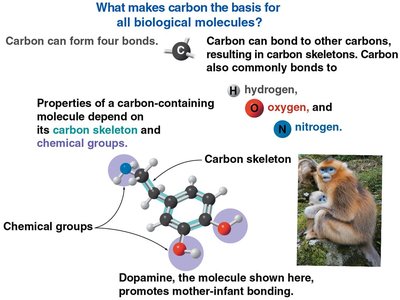
Carbon is the central element in organic chemistry and the foundation of all biological molecules. Its unique bonding properties allow it to form a vast array of complex molecules essential for life.
Organic chemistry is the study of carbon-containing compounds.
Carbon can form stable bonds with hydrogen, oxygen, nitrogen, and other elements.
Organic compounds vary widely in size and complexity.
The Chemical Building Blocks of Life
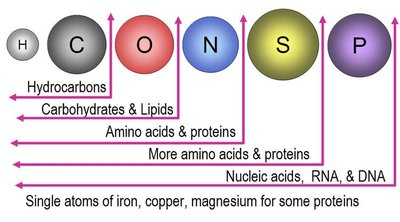
Living organisms are primarily composed of six major elements: carbon (C), hydrogen (H), oxygen (O), nitrogen (N), sulfur (S), and phosphorus (P). The relative abundance of these elements is consistent across life forms, and carbon’s four bonding sites allow for molecular diversity.
Carbon forms four covalent bonds, enabling a variety of molecular structures.
It can bond with itself or with other elements to create chains, rings, and complex frameworks.
How Does Carbon Make Key Bonds?
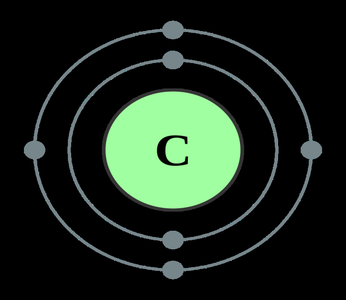
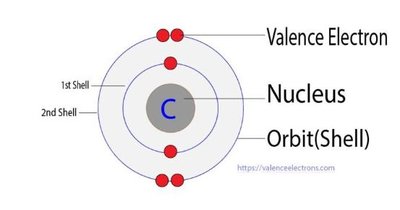
The electron configuration of carbon determines its bonding behavior. With four unpaired valence electrons, carbon can form four covalent bonds, resulting in a tetrahedral geometry.
Valence electrons are electrons in the outermost shell available for bonding.
Carbon’s valence of 4 allows for single, double, or triple bonds with other atoms.
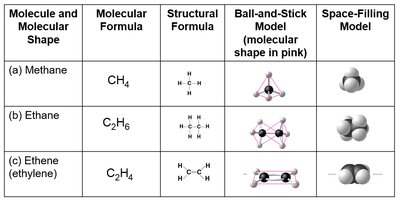
What Do These Bonds Actually Look Like?
Carbon’s four covalent bonds result in a tetrahedral molecular shape. This geometry is crucial for the three-dimensional structure of organic molecules.
Tetrahedral geometry allows for complex and stable molecular structures.
Examples of Carbon Skeletons
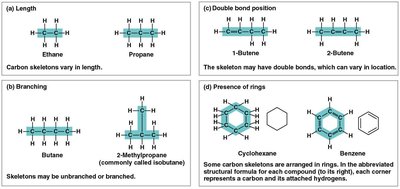
Carbon skeletons are the backbone of organic molecules. They can vary in length, branching, double bond position, and ring formation, contributing to molecular diversity.
Skeletons may be straight, branched, or arranged in rings.
Double bonds and functional groups further diversify structure and function.
Hydrocarbons: Example Carbon Structures
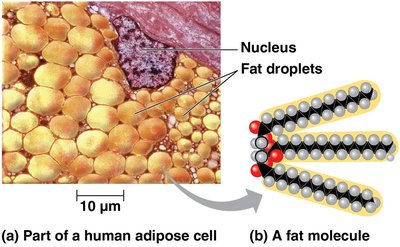
Hydrocarbons are organic molecules consisting entirely of carbon and hydrogen. They are important energy sources and structural components in biological systems.
Hydrocarbons can be found in fats and other macromolecules.
They release energy when oxidized.
Naming Carbon Structures: Isomers
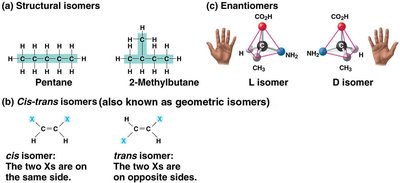
Isomers are compounds with the same molecular formula but different structures and properties. The three main types are structural isomers, cis-trans (geometric) isomers, and enantiomers.
Structural isomers: Different covalent arrangements of atoms.
Cis-trans isomers: Same covalent bonds, different spatial arrangements.
Enantiomers: Mirror images, non-superimposable.
Biological Importance of Isomers
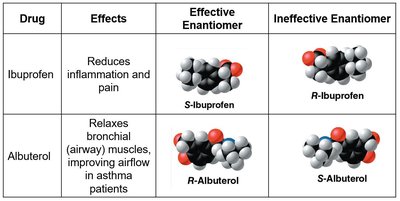
Isomers can have dramatically different biological effects. For example, only one enantiomer of a drug may be biologically active, while the other is inactive or harmful.
Enantiomers are critical in pharmaceuticals and metabolism.
Living organisms are highly sensitive to molecular shape and arrangement.
Distinguishing Organic Molecules: Functional Groups
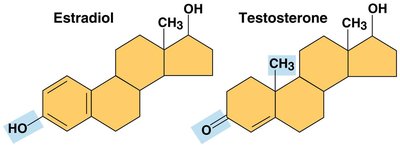
Organic molecules are identified by their carbon skeletons and attached functional groups. Functional groups are specific groups of atoms that confer distinct chemical properties and reactivity.
Estradiol and testosterone have identical skeletons but different functional groups, leading to different biological functions.
The Seven Most Important Functional Groups in Biology
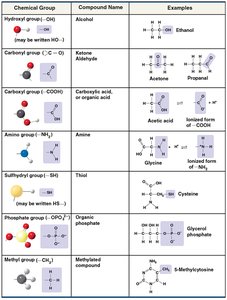
The seven functional groups most important to life are: Carbonyl, Amino, Sulfhydryl, Hydroxyl, Carboxyl, Methyl, and Phosphate. Each group has characteristic properties and roles in biological molecules.
Chemical Group | Compound Name | Examples |
|---|---|---|
Hydroxyl (–OH) | Alcohol | Ethanol |
Carbonyl (C=O) | Ketone/Aldehyde | Acetone, Propanal |
Carboxyl (–COOH) | Carboxylic acid | Acetic acid |
Amino (–NH2) | Amine | Glycine |
Sulfhydryl (–SH) | Thiol | Cysteine |
Phosphate (–OPO32-) | Organic phosphate | ATP |
Methyl (–CH3) | Methylated compound | 5-Methylcytosine |
Functional Group Example: ATP
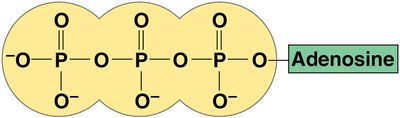
Adenosine triphosphate (ATP) is a key organic molecule in cells. Its carbon skeleton is adenosine, with three phosphate groups attached. ATP stores energy in its chemical bonds, which is released during hydrolysis to power cellular processes.
ATP acts as an energy currency in cells.
Hydrolysis of ATP releases energy for cellular work.

Summary – Basic Properties of Carbon
Carbon’s ability to form four covalent bonds allows it to create a vast diversity of organic molecules. These molecules are defined by their carbon skeletons and functional groups, which determine their chemical behavior and biological roles. Isomerism and three-dimensional structure are also crucial for function. Functional groups enable the reactivity and versatility of organic compounds, making carbon the fundamental element of life.
