 Back
Cell Anatomy and Membrane Transport: Structure and Function in Biology
Study Guide - Smart Notes
 Tailored notes based on your materials, expanded with key definitions, examples, and context.
Unit 2: Cell Anatomy and Membrane Transport
Section 1: Prokaryotic and Eukaryotic Cells
Cells are the fundamental units of life and are classified into two main types based on their internal structure: prokaryotic and eukaryotic cells. This classification is based on the presence or absence of a membrane-bound nucleus and other organelles. Organisms are further divided into three domains: Bacteria and Archaea (both prokaryotic), and Eukarya (eukaryotic).
Prokaryotic Cells: Simple, unicellular organisms lacking a nucleus and membrane-bound organelles. Examples include Bacteria and Archaea.
Eukaryotic Cells: Complex cells with a membrane-bound nucleus and specialized organelles. Examples include plants, animals, fungi, and protists.
Key Differences: Eukaryotes have compartmentalized organelles, while prokaryotes do not.
Components of Prokaryotic Cells
Prokaryotic cells contain essential structures for survival and function:
Chromosome: Usually a single, circular DNA molecule located in the nucleoid region.
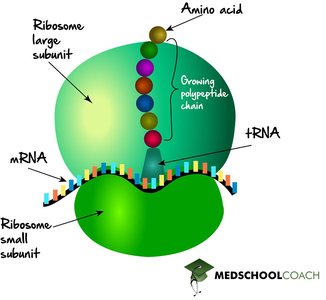
Ribosomes: Sites of protein synthesis, scattered throughout the cytoplasm.
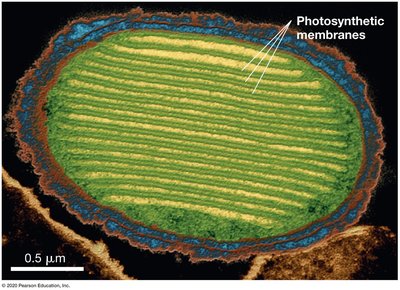
Internal Membrane Complexes: In photosynthetic prokaryotes, internal membranes convert sunlight to chemical energy.
Prokaryotic Cell Walls and External Structures
The cell wall provides structural support and protection. In bacteria, the wall is primarily composed of peptidoglycan, a polysaccharide. Some bacteria have an additional outer membrane made of glycolipids. Prokaryotes also possess external appendages:
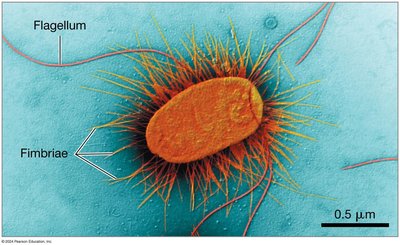
Flagella: Long filaments that rotate to propel the cell.
Fimbriae: Needle-like projections that aid in attachment to surfaces or other cells.
Eukaryotic Cells
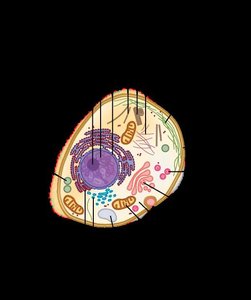
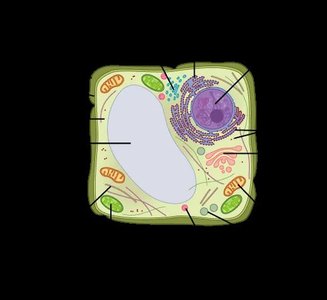
Eukaryotic cells are characterized by their larger size and compartmentalization. They contain a nucleus and various organelles, each with specialized functions. Eukaryotic cells can be plant, animal, fungal, or protist cells.
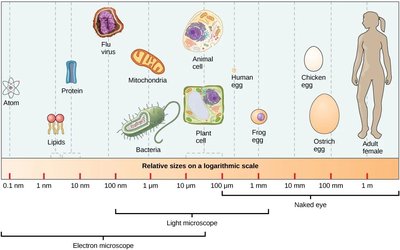
Cell Size: Eukaryotic cells are generally larger than prokaryotic cells, allowing for greater complexity.
Section 2: Eukaryotic Cell Anatomy
The Plasma Membrane
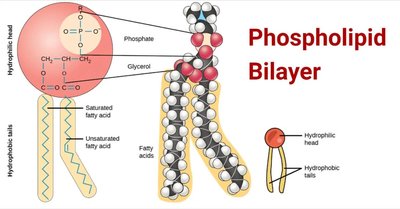
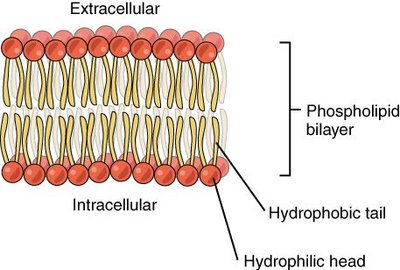
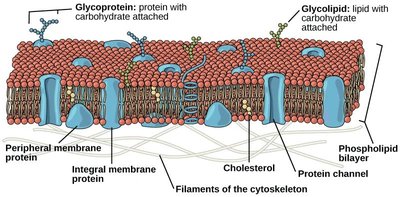
The plasma membrane is a selectively permeable barrier composed of a phospholipid bilayer with embedded proteins. It separates the cell's internal environment from the external surroundings and regulates the movement of substances in and out of the cell.
Phospholipid Bilayer: Consists of hydrophilic heads and hydrophobic tails, forming a double layer.
Proteins: Embedded or attached to the membrane, serving as channels, receptors, or enzymes.
Carbohydrates: Attached to lipids (glycolipids) or proteins (glycoproteins), involved in cell recognition.
The Cytoplasm and Cytoskeleton
The cytoplasm is the region between the plasma membrane and the nuclear envelope, containing organelles and the cytosol. The cytoskeleton is a network of protein fibers that maintains cell shape, secures organelles, and enables movement.
Flagella and Cilia: Flagella are long, hair-like structures for movement; cilia are shorter and more numerous, aiding in locomotion or moving substances across the cell surface.
Vesicles and Vacuoles
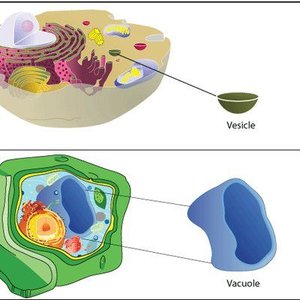
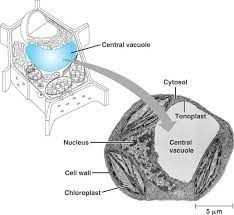
Vesicles and vacuoles are membrane-bound sacs involved in storage and transport. The central vacuole in plant cells regulates water concentration and provides structural support.
The Nucleus and Nucleolus
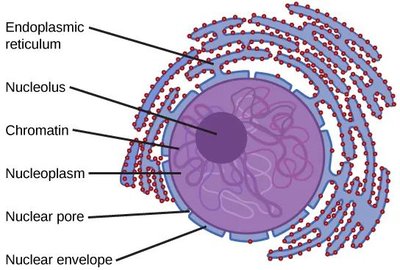
The nucleus houses the cell's DNA and directs protein synthesis. The nuclear envelope is a double membrane with nuclear pores for transport. The nucleolus assembles ribosomes by synthesizing ribosomal RNA and combining it with proteins.
The Endomembrane System
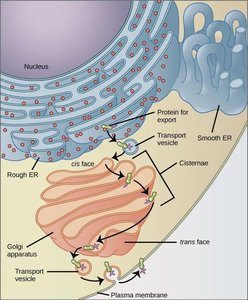
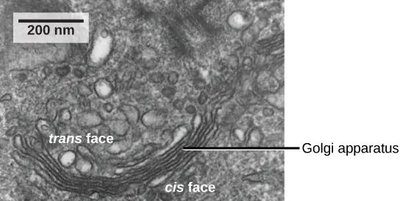
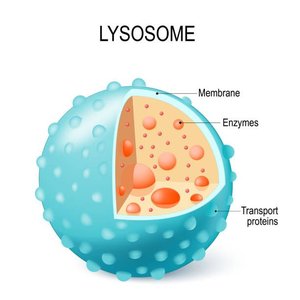
The endomembrane system includes the endoplasmic reticulum (ER), Golgi apparatus, lysosomes, and transport vesicles. It modifies, packages, and transports lipids and proteins.
Rough ER: Studded with ribosomes, synthesizes proteins.
Smooth ER: Synthesizes lipids and detoxifies chemicals.
Golgi Apparatus: Processes and packages proteins and lipids for transport.
Lysosomes: Contain digestive enzymes for breaking down waste.
Peroxisomes: Carry out oxidation reactions and detoxify harmful substances.
Mitochondria and Chloroplasts
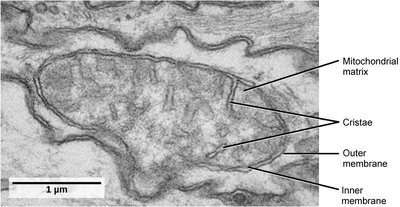
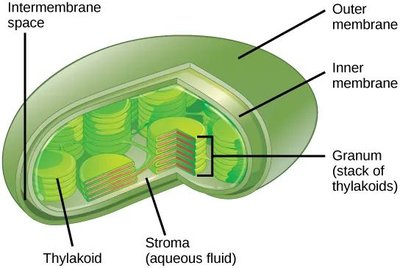
Mitochondria are the site of ATP production through cellular respiration. Chloroplasts, found in plants and algae, conduct photosynthesis, converting light energy into chemical energy.
Endosymbiosis Theory
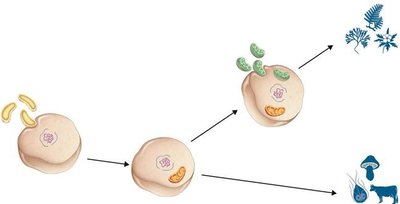
The endosymbiosis theory proposes that mitochondria and chloroplasts originated as free-living bacteria engulfed by ancestral eukaryotic cells. This mutually beneficial relationship led to the evolution of modern eukaryotes.
Cell Walls and Extracellular Matrix
Cell walls are rigid coverings that provide structural support and shape. Plant cell walls are made of cellulose, bacterial cell walls of peptidoglycan, and fungal cell walls of chitin. Animal cells lack cell walls but have an extracellular matrix composed of glycoproteins and collagen, providing support and anchorage.
Section 3: Cell Membranes and Membrane Transport
Fluid Mosaic Model of Membranes
The plasma membrane is described by the fluid mosaic model, which highlights its dynamic nature and diverse components. The membrane consists of a phospholipid bilayer with embedded proteins, cholesterol, and carbohydrates.
Phospholipids: Form the basic structure, providing a semi-permeable barrier.
Proteins: Serve as channels, carriers, receptors, and enzymes.
Carbohydrates: Involved in cell recognition and signaling.
Cholesterol: Maintains membrane fluidity.
Passive Transport
Passive transport is the movement of substances across the membrane without energy input. It relies on concentration gradients and includes diffusion, osmosis, and facilitated diffusion.
Diffusion: Movement of molecules from high to low concentration.
Osmosis: Diffusion of water across a semipermeable membrane.
Tonicity: Describes the solute concentration of a solution relative to the cell (hypotonic, hypertonic, isotonic).
Facilitated Diffusion: Uses protein channels to transport substances down their concentration gradient.
Active Transport
Active transport requires energy (usually ATP) to move substances against their concentration gradient. It includes ion pumps, endocytosis, and exocytosis.
Ion Pumps: Membrane proteins that transport ions (e.g., sodium-potassium pump).
Endocytosis: Uptake of large particles or fluids by engulfing them in vesicles (phagocytosis, pinocytosis, receptor-mediated endocytosis).
Exocytosis: Release of substances from the cell by fusion of vesicles with the plasma membrane.
Secondary Active Transport: Uses electrochemical gradients established by primary active transport to move other substances.
Key Equations
Diffusion Rate:
Osmosis (Osmotic Pressure):
Sodium-Potassium Pump: per ATP hydrolyzed
Summary Table: Prokaryotic vs. Eukaryotic Cells
Feature | Prokaryotic Cells | Eukaryotic Cells |
|---|---|---|
Nucleus | Absent | Present |
Organelles | Absent | Present |
Cell Wall | Peptidoglycan (Bacteria) | Cellulose (Plants), Chitin (Fungi), None (Animals) |
Size | Small (0.1–5 μm) | Larger (10–100 μm) |
Examples | Bacteria, Archaea | Plants, Animals, Fungi, Protists |
Summary Table: Types of Membrane Transport
Type | Energy Required | Direction | Example |
|---|---|---|---|
Diffusion | No | High to Low | O2, CO2 |
Osmosis | No | High to Low (water) | Water movement |
Facilitated Diffusion | No | High to Low | Glucose via channel |
Active Transport | Yes (ATP) | Low to High | Sodium-potassium pump |
Endocytosis | Yes (ATP) | Into cell | Phagocytosis and Pinocytosis |
Exocytosis | Yes (ATP) | Out of cell | Neurotransmitter release |
Additional info: Academic context was added to clarify the functions of cell organelles, membrane transport mechanisms, and the endosymbiosis theory. Tables were inferred for comparison and classification purposes.
