 Back
Cell Cycle, Mitosis, and Cancer: Regulation and Disease
Study Guide - Smart Notes
 Tailored notes based on your materials, expanded with key definitions, examples, and context.
Cell Cycle and Mitosis
Overview of the Cell Cycle
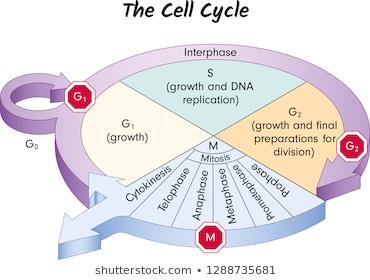
The cell cycle is the series of events that cells go through as they grow and divide. It consists of interphase (G1, S, G2 phases) and the mitotic phase (mitosis and cytokinesis). Proper regulation of the cell cycle is essential for normal growth, development, and tissue repair.
G1 phase: Cell grows and carries out normal functions.
S phase: DNA is replicated.
G2 phase: Cell prepares for division.
M phase (Mitosis): Division of the nucleus and cytoplasm.
Phases of Mitosis
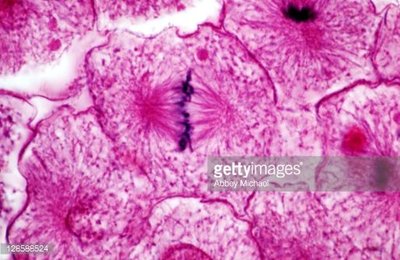
Mitosis is the process by which a eukaryotic cell separates its duplicated chromosomes into two identical sets. It is divided into several stages:
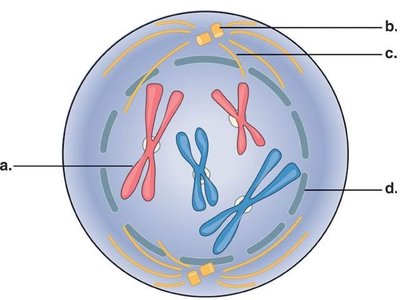
Prophase: Chromosomes condense, spindle fibers form, nuclear envelope breaks down.
Metaphase: Chromosomes align at the cell's equator.
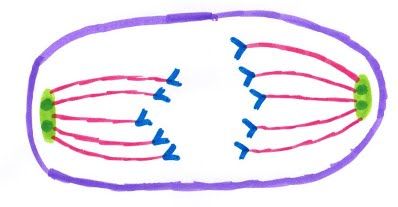
Anaphase: Sister chromatids are pulled apart to opposite poles.
Telophase: Nuclear envelopes reform around the two sets of chromosomes.
Cytokinesis: Division of the cytoplasm, resulting in two daughter cells.
Interphase
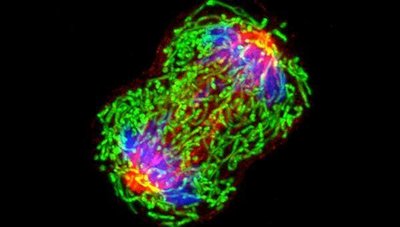
Interphase is the phase of the cell cycle in which the cell spends most of its life, performing normal functions and preparing for division. It includes G1, S, and G2 phases.
DNA is replicated during the S phase.
G1 and G2 are periods of cell growth and preparation for mitosis.
Microscopic and Diagrammatic Views of Mitosis
Microscopy and diagrams help visualize the stages of mitosis and the arrangement of chromosomes and spindle fibers.
Regulation of the Cell Cycle
Checkpoints and Control Mechanisms
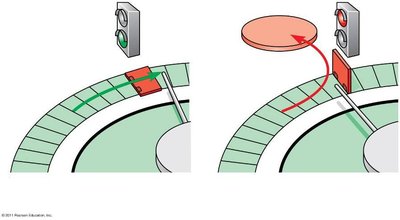
The cell cycle is regulated by checkpoints that ensure each phase is completed correctly before the next begins. The main checkpoints are:
G1 checkpoint: Checks for cell size, nutrients, growth factors, and DNA damage.
G2 checkpoint: Ensures DNA replication is complete and checks for DNA damage.
M checkpoint (Spindle checkpoint): Ensures all chromosomes are properly attached to the spindle before anaphase.
Outcomes of Checkpoint Failure
If a cell fails a checkpoint, several outcomes are possible:
Cell cycle is paused for repair.
Damage repair systems are activated.
If damage is severe and irreparable, apoptosis (programmed cell death) is triggered.
External Controls of Cell Division
Cell division is also regulated by external signals:
Growth factors: Proteins that stimulate cell division.
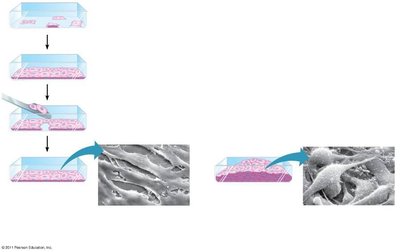
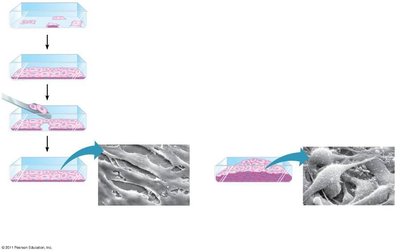
Density-dependent inhibition: Cells stop dividing when crowded.
Anchorage dependence: Cells must be attached to a substrate to divide.
Cancer: Unregulated Cell Division
What is Cancer?
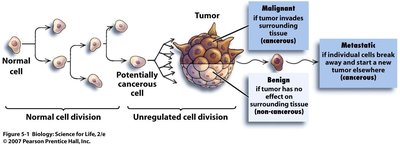
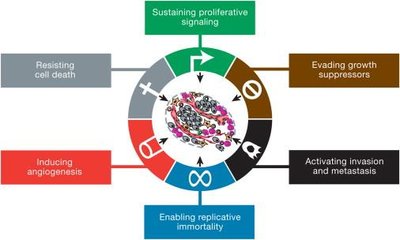
Cancer is a disease characterized by unregulated cell division. Cancer cells divide uncontrollably, often due to mutations in genes that regulate the cell cycle.
More than 100 types of cancer exist, often named for their tissue of origin.
Cancer is fundamentally a disease of cell cycle regulation.
Genetic Basis of Cancer
Cancer arises from mutations in two main types of genes:
Oncogenes: Mutated forms of genes that normally promote cell division (proto-oncogenes). When mutated, they become overactive "accelerators."
Tumor suppressor genes: Genes that normally inhibit cell division or promote apoptosis. When mutated, they lose their function, removing the "brakes." Example: p53 and BRCA1.
At least 6-9 mutations in these genes are typically required for a cell to become cancerous. The immune system also plays a role in eliminating abnormal cells.
Loss of Growth Regulation in Cancer Cells
Cancer cells do not exhibit density-dependent inhibition or anchorage dependence, allowing them to grow uncontrollably and invade other tissues.
Tumor Types and Metastasis
Tumors are classified based on their behavior:
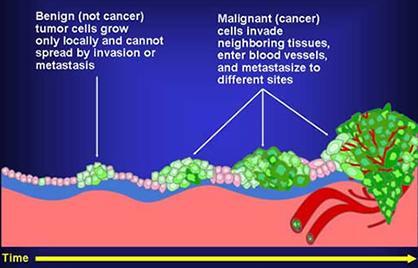
Benign tumor: Abnormal cells remain at the original site and do not invade other tissues (not cancer).
Malignant tumor: Cells invade surrounding tissues and can spread (cancer).
Metastasis: Cancer cells spread to distant organs, forming secondary tumors.
Cancer Treatments
Several approaches are used to treat cancer:
Surgery: Physical removal of tumors.
Radiation: Damages DNA in cancer cells, preventing replication.
Chemotherapy: Drugs that inhibit DNA replication, cell division, or cell growth. Affects all rapidly dividing cells.
Gene therapy: Experimental approaches to correct genetic defects.
Heritability and Infectious Causes of Cancer
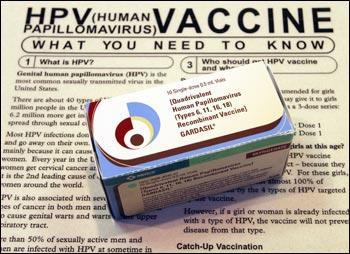
Most cancers are not inherited, but genetic predispositions can increase risk (e.g., BRCA1 mutations). Some viruses, such as HPV, can increase cancer risk by integrating their DNA into host genomes and disrupting tumor suppressor genes.
Rare Contagious Cancers
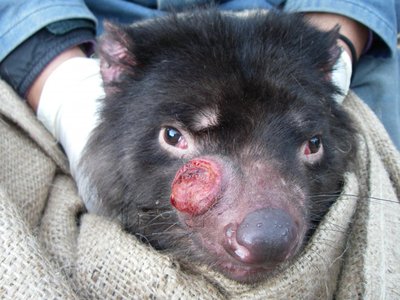
While cancer is generally not contagious, rare cases exist, such as Devil Facial Tumor Disease (DFTD) in Tasmanian devils, where cancer cells are physically transmitted between individuals.
Summary Table: Cell Cycle Checkpoints and Cancer
Checkpoint | Main Function | What Happens if Failed? |
|---|---|---|
G1 | Checks cell size, nutrients, DNA damage | Cell enters G0 or attempts repair |
G2 | Checks DNA replication, DNA damage | Cell cycle paused, repair or apoptosis |
M (Spindle) | Checks chromosome attachment to spindle | Cell cycle paused, repair or apoptosis |
Key Terms
Apoptosis: Programmed cell death.
Oncogene: Mutated gene promoting uncontrolled cell division.
Tumor suppressor gene: Gene that inhibits cell division or promotes apoptosis.
Metastasis: Spread of cancer cells to distant organs.
Density-dependent inhibition: Cells stop dividing when crowded.
Anchorage dependence: Cells require attachment to a substrate to divide.
