 Back
Cell Division, Cell Cycle, and Patterns of Inheritance: Study Notes
Study Guide - Smart Notes
 Tailored notes based on your materials, expanded with key definitions, examples, and context.
Cell Division and Reproduction
Sexual vs. Asexual Reproduction
Reproduction is the biological process by which new individual organisms are produced. It can occur via two main mechanisms: sexual reproduction and asexual reproduction.
Sexual reproduction: Involves the fusion of gametes (egg and sperm), resulting in offspring with genetic variation.
Asexual reproduction: Produces offspring genetically identical to the parent, without the fusion of gametes.
Examples and Advantages of Asexual Reproduction
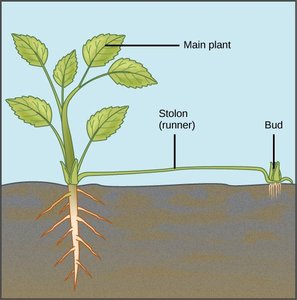
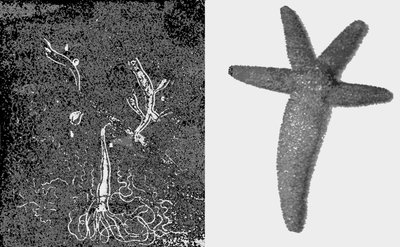
Asexual reproduction occurs in many organisms, including plants and some animals. Common forms include budding, fragmentation, and vegetative propagation.
Examples:
Plants: Many plants reproduce asexually via runners (stolons) or tubers.
Animals: Hydra and starfish can reproduce by budding or regeneration.
Advantages:
Rapid population increase
No need for a mate
Offspring are well-adapted to stable environments
Types of Cell Division
Binary Fission, Mitosis, and Meiosis
Cell division is essential for growth, development, and reproduction. There are three main types:
Binary Fission: Occurs in prokaryotes; DNA is replicated and the cell splits into two identical cells.
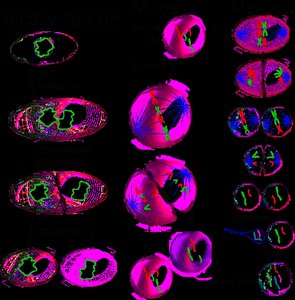
Mitosis: Occurs in eukaryotes; involves DNA replication, segregation into two daughter nuclei, and cell division. Results in two genetically identical daughter cells.
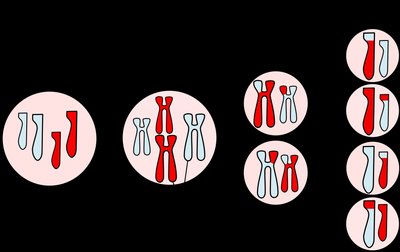
Meiosis: Specialized division for sexual reproduction; produces four haploid gametes with genetic diversity.
Summary Table: Types of Cell Division
Type | Process | Result | Main Purpose |
|---|---|---|---|
Binary Fission | DNA replication, cell splits | 2 identical cells | Asexual reproduction |
Mitosis | DNA replication, segregation, cell splits | 2 identical cells | Growth, development, tissue repair |
Meiosis | DNA replication, two rounds of division | 4 haploid gametes | Sexual reproduction |
Chromosomes and the Eukaryotic Genome
Chromosome Structure and Function
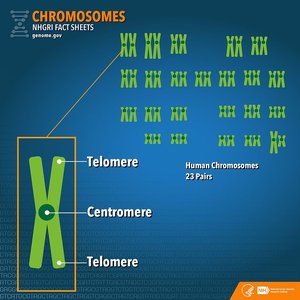
Chromosomes are single molecules of DNA containing many genes. In humans, there are approximately 21,000 genes distributed across 46 chromosomes. Chromatin, a mixture of DNA and protein, makes up chromosomes. During cell division, chromosomes condense and become visible under a microscope.
Gene: Unit of heredity; sequence of DNA encoding a trait.
Chromatin: DNA-protein complex forming chromosomes.
The Cell Cycle
Phases of the Cell Cycle
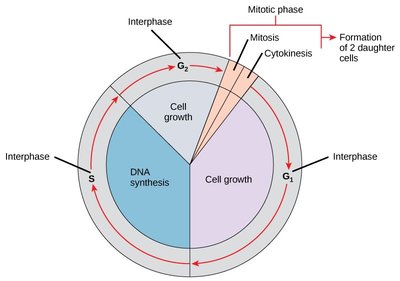
The cell cycle describes the sequence of events in the life of a cell, including growth, DNA replication, and division. It consists of interphase (G1, S, G2) and the mitotic phase (mitosis and cytokinesis).
G1 phase: Cell growth
S phase: DNA synthesis (replication)
G2 phase: Further growth and preparation for division
Mitotic phase: Mitosis and cytokinesis, resulting in two daughter cells
Cell Cycle Control and Cancer
Checkpoints and Growth Regulation
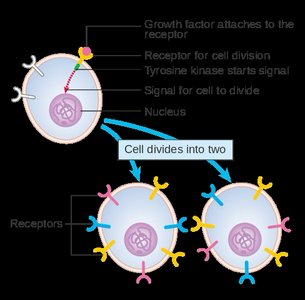
Cell cycle progression is regulated by checkpoints that ensure proper growth, DNA integrity, and division. Key checkpoints include G1, G2/M, and M (metaphase).
G1 checkpoint: Requires growth factor signals for cell to proceed.
G2/M checkpoint: Prevents entry into mitosis if DNA is damaged or cell is too small.
M checkpoint: Ensures proper chromosome alignment before division.
Cancer Progression
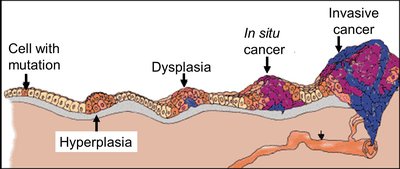
Cancer arises from uncontrolled cell growth due to failures in cell cycle regulation. Tumors can be benign (localized) or malignant (capable of metastasis). Cancer therapies include surgery, radiation, chemotherapy, and immunotherapy.
Transformation: Cell acquires cancerous properties.
Metastasis: Spread of cancer cells to distant sites.
Chromosome Number and Sex Determination
Diploid vs. Haploid Cells
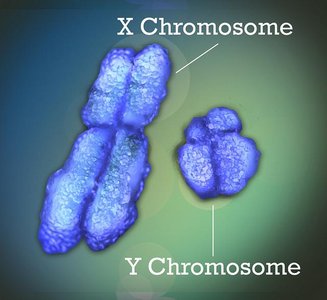
Somatic cells are diploid (2n), containing two sets of chromosomes. Gametes are haploid (n), containing one set. Humans have 22 pairs of autosomes and one pair of sex chromosomes (XX in females, XY in males).
Meiosis and Genetic Diversity
Meiosis Overview
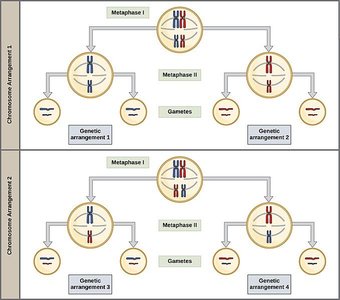
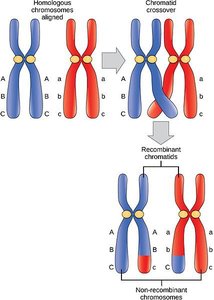
Meiosis is a two-step division process that produces four genetically unique haploid gametes. It includes pairing and recombination of homologous chromosomes, increasing genetic diversity.
Independent assortment: Random alignment of chromosomes during metaphase I.
Crossing over: Exchange of chromosome segments between homologous chromosomes during prophase I.
Random fertilization: Further increases genetic variation.
Nondisjunction and Aneuploidy
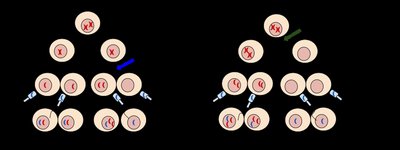
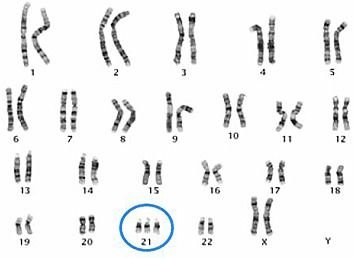
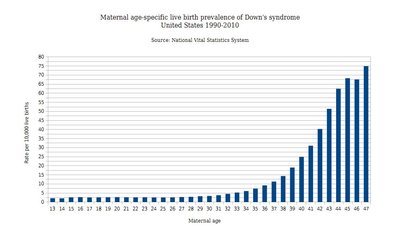
Nondisjunction is the failure of chromosomes to segregate properly during meiosis, leading to aneuploidy (abnormal chromosome number). Examples include Down syndrome (trisomy 21), Turner syndrome (XO), and Klinefelter syndrome (XXY).
Mendelian Genetics
Law of Segregation
Gregor Mendel's experiments with pea plants established the principles of heredity. The law of segregation states that each parent has two alleles for a gene, which segregate during gamete formation.
Homozygous: Two identical alleles
Heterozygous: Two different alleles

Punnett Square, Genotype, and Phenotype
The Punnett square is a tool for predicting genotype and phenotype ratios in offspring. For a monohybrid cross:
Phenotypic ratio: 3:1 (dominant:recessive)
Genotypic ratio: 1:2:1 (homozygous dominant : heterozygous : homozygous recessive)
Law of Independent Assortment
Mendel's second law states that genes for different traits assort independently during gamete formation, unless they are linked.
Extensions and Modifications of Mendelian Genetics
Incomplete Dominance and Codominance
Some traits do not follow simple dominance. In incomplete dominance, the heterozygote has an intermediate phenotype. In codominance, both alleles are fully expressed (e.g., ABO blood groups).
Polygenic Traits and Environmental Effects
Most traits are influenced by multiple genes (polygenic) and environmental factors. Examples include height and cholesterol levels.
Genetic Diseases and Testing
Monogenic Diseases
Single-gene disorders include sickle cell anemia, cystic fibrosis, and phenylketonuria (PKU). PKU is a recessive disease caused by deficiency of phenylalanine hydroxylase.
Genetic Testing
Genetic testing is used for diagnosis, carrier screening, and newborn screening for treatable genetic diseases.
The Chromosomal Basis of Inheritance
Gene Linkage and Sex-Linked Traits
Genes located close together on the same chromosome are linked and do not assort independently. Sex-linked traits, such as hemophilia, are often carried on the X chromosome.
DNA: The Genetic Material
Structure and Function of DNA
DNA encodes genetic information and is composed of nucleotides. The double helix structure was discovered by Watson and Crick, with contributions from Rosalind Franklin.
Central Dogma: Transcription and Translation
The central dogma describes the flow of genetic information: DNA is transcribed into RNA, which is translated into protein.
Mutations
Mutations are changes in DNA sequence. Types include nucleotide substitutions (silent, missense, nonsense) and indels (insertions/deletions causing frameshifts).
Summary Table: Key Terms
Term | Definition |
|---|---|
Chromosome | DNA molecule containing genes |
Gene | Unit of heredity; DNA sequence encoding a trait |
Allele | Variant form of a gene |
Genotype | Genetic makeup of an organism |
Phenotype | Physical traits of an organism |
Homozygous | Two identical alleles |
Heterozygous | Two different alleles |
Mutation | Change in DNA sequence |
