 Back
BackCell Structure and Function: A Tour of the Cell
Study Guide - Smart Notes
 Tailored notes based on your materials, expanded with key definitions, examples, and context.
Cell Structure and Function
Introduction to Cells
Cells are the fundamental units of life, forming the basis of all living organisms. Understanding cell structure and function is essential for comprehending biological processes at every level.
Cell Theory: States that cells are the smallest units of function, all life is composed of cells, and all cells arise from pre-existing cells. This theory disproved spontaneous generation, establishing that life cannot arise from non-life.
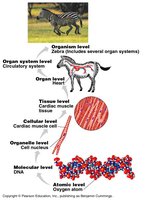
Levels of Biological Organization: Biological systems are organized hierarchically from atoms and molecules to organelles, cells, tissues, organs, organ systems, and organisms.
Example: The zebra's circulatory system illustrates the progression from molecular to organismal levels.
Cell Types
Prokaryotic vs. Eukaryotic Cells
Cells are classified into two main types: prokaryotic and eukaryotic. Each type has distinct structural features and evolutionary significance.
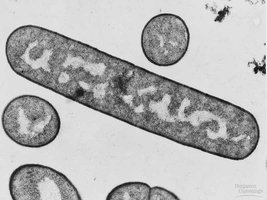
Prokaryotic Cells: Lack a true nucleus; DNA is free in the cytoplasm within the nucleoid region. They do not possess double membrane-bound organelles. Examples include Bacteria and Archaea.
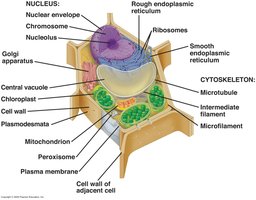
Eukaryotic Cells: Have a true nucleus enclosed by a double membrane. They contain membrane-bound organelles such as mitochondria and chloroplasts. Examples include Fungi, Animals, Plants, and Protista.
Cytoplasm and Cytosol
Structure and Function
The cytoplasm is the fluid-like matrix between the plasma membrane and the nucleus, containing organelles and cytosol. The cytosol is the sap-like fluid outside organelles but within the plasma membrane, composed of fluids, macromolecules, and ions.
Cytoplasm: Site of most chemical pathways and metabolic reactions.
Cytosol: Supports cellular processes and provides a medium for molecular movement.
Eukaryotic Cell Organelles
Nucleus
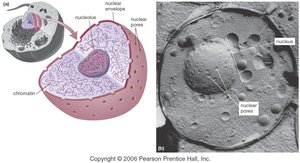
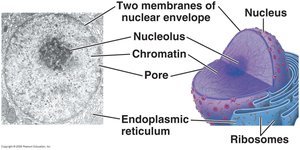
The nucleus is the control center of the cell, surrounded by a double-membrane nuclear envelope with pores. It contains nucleic acids (DNA & RNA) and proteins, and regulates the passage of molecules.
Nucleolus: Located inside the nucleus, responsible for manufacturing ribosomal RNA.
Nuclear Envelope: Double membrane with nuclear pores for molecular transport.
Ribosomes
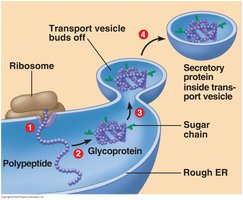
Ribosomes are the sites of protein synthesis, composed of ribosomal RNA and proteins. They consist of two subunits (large and small) and may be free in the cytoplasm or attached to membranes.
Free Ribosomes: Synthesize proteins for internal use.
Membrane-bound Ribosomes: Synthesize secretory proteins.
The Endomembrane System
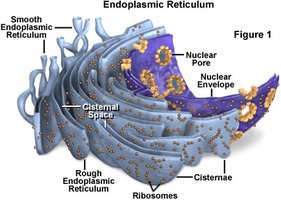
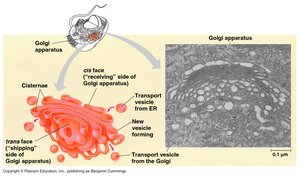
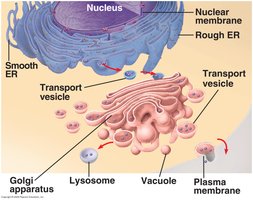
The endomembrane system is a network of internal compartments that separate various biochemical activities. It includes the endoplasmic reticulum (ER), transport vesicles, Golgi bodies, lysosomes, and vacuoles.
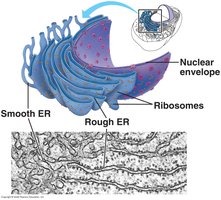
Endoplasmic Reticulum (ER): Two types: Rough ER (studded with ribosomes, involved in protein synthesis) and Smooth ER (no ribosomes, involved in lipid synthesis and detoxification).
Transport Vesicles: Spheres of phospholipids that transport molecules between organelles.
Golgi Bodies: Modify, package, and ship macromolecules received from the ER.
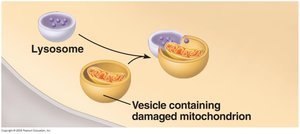
Lysosomes: Membrane-bound sacs containing digestive enzymes, involved in autophagy and digestion of cellular debris.
Vacuoles: Storage organelles; plants have a large central vacuole, while animals and protists may have smaller or contractile vacuoles.
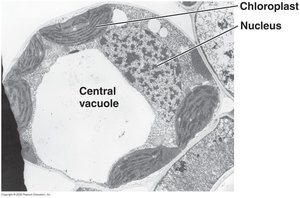
Crystals (Raphides)
Some plant cells contain crystals called raphides, which are composed of calcium oxalate and serve as a defense mechanism against herbivory.
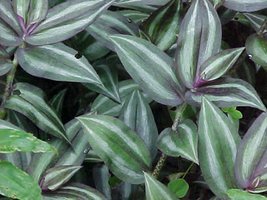
Cytoskeleton
Structure and Function
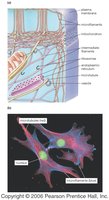
The cytoskeleton is a network of microtubules, microfilaments, centrioles, flagella, and cilia that provides mechanical support, maintains cell shape, and facilitates intracellular transport.
Microtubules: Hollow rods composed of tubulin, involved in cell shape, support, and movement (spindle fibers, cilia, flagella).
Centrioles: Found only in animal cells, involved in cell division.
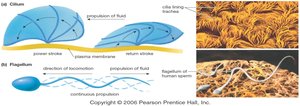
Flagella: Whip-like extensions used for locomotion, mostly absent in plant cells.
Cilia: Shorter extensions used for locomotion and feeding, absent in plant cells.
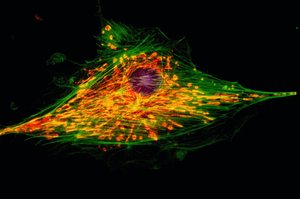
Microfilaments: Solid rods composed of actin, responsible for movement of vesicles, cytoplasmic streaming, and cell shape.
Cell Wall
Structure and Function
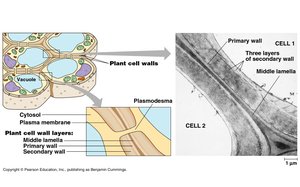
The cell wall is a layer external to the plasma membrane, providing protection and support. It is composed of polysaccharides (cellulose in plants) and is traversed by plasmodesmata for cell-to-cell communication.
Found in: Plants, bacteria, and fungi.
Plasmodesmata: Channels that allow communication between plant cells.
Energy Transformations
Mitochondria
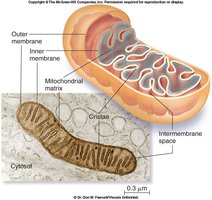
Mitochondria are double membrane-bound organelles containing their own DNA and capable of self-replication. They are the site of aerobic respiration, producing ATP on the highly folded inner membrane (cristae) and within the matrix.
Chloroplasts
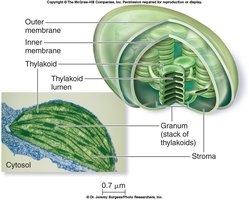
Chloroplasts are found only in plants, are double membrane-bound, and contain DNA. They are responsible for photosynthesis, converting water and carbon dioxide into carbohydrates using light energy.
Thylakoids: Membrane-bound sacs containing chlorophyll; stacks are called grana.
Stroma: Gelatinous inner region where biochemical reactions occur.
Why Are Cells So Small?
Surface Area to Volume Ratio
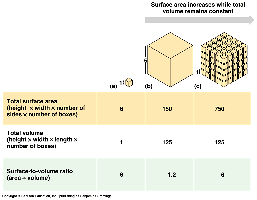
Cells must exchange nutrients and waste with their environment. As cells increase in size, their volume grows faster than their surface area, limiting efficient exchange of materials.
Surface Area: Increases at a rate proportional to the square of the cell's dimensions.
Volume: Increases at a rate proportional to the cube of the cell's dimensions.
Implication: Larger cells have greater difficulty exchanging materials, which is why most cells remain small.
Cell Size | Total Surface Area | Total Volume | Surface-to-Volume Ratio |
|---|---|---|---|
Small | 6 | 1 | 6 |
Medium | 150 | 25 | 6 |
Large | 600 | 125 | 4.8 |
Equation:
Additional info: The notes have been expanded with academic context and examples to ensure completeness and clarity for college-level biology students.
