 Back
Cell Structure, Membrane Function, and Transport Mechanisms: General Biology Study Notes
Study Guide - Smart Notes
 Tailored notes based on your materials, expanded with key definitions, examples, and context.
Cell Types and Structures
Prokaryotic Cells
Prokaryotic cells are simple, unicellular organisms lacking a nucleus and membrane-bound organelles. They include bacteria and cyanobacteria, which play essential roles in ecosystems and human health.
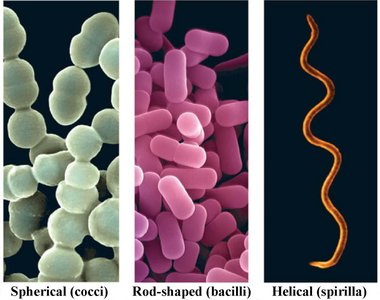
Bacterial Shapes: Bacteria are classified by their morphology:
Coccus: Spherical-shaped bacteria.
Bacillus: Rod-shaped bacteria.
Spirillum: Helical or spiral-shaped bacteria.
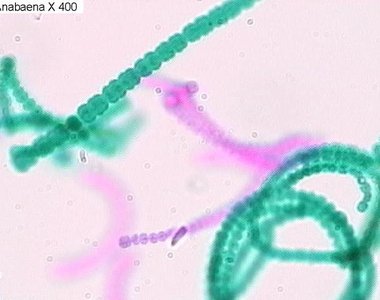
Cyanobacteria: Photosynthetic prokaryotes, such as Anabaena and Oscillatoria, are important for nitrogen fixation and oxygen production.
Eukaryotic Cells
Eukaryotic cells are more complex, containing a nucleus and various membrane-bound organelles. They are found in protists, plants, and animals.
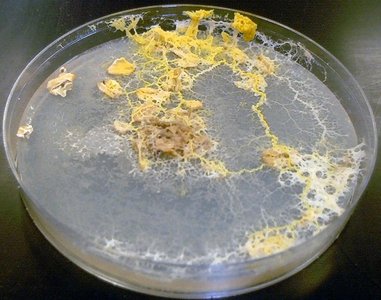
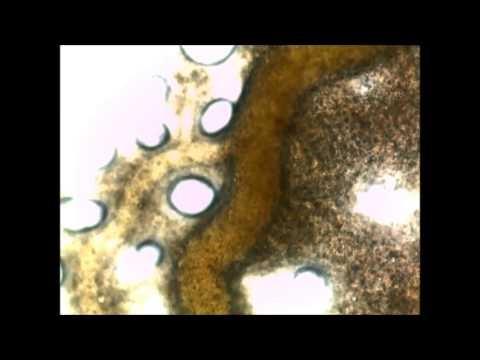
Protists: Single-celled eukaryotes, such as Physarum polycephalum (plasmodial slime mold), exhibit cytoplasmic streaming and multinucleation.
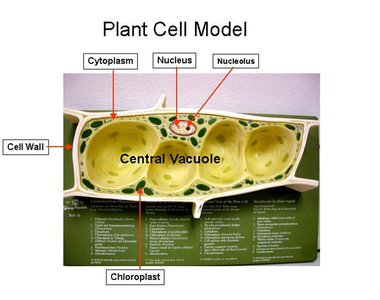
Plant Cells: Characterized by a cell wall, chloroplasts, and a central vacuole. Examples include Elodea and onion cells.
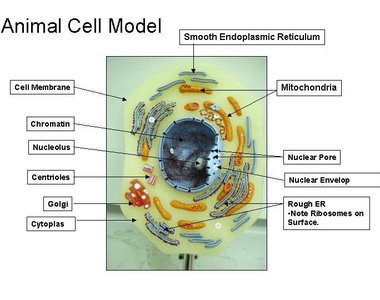
Animal Cells: Lack cell walls and chloroplasts, but contain a plasma membrane, nucleus, and various organelles. Cheek cells are a common example.
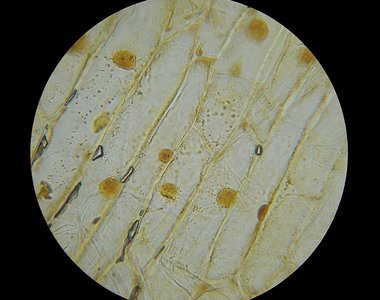
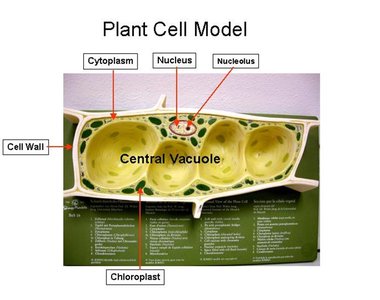
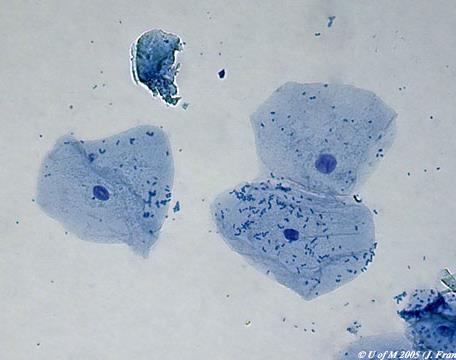
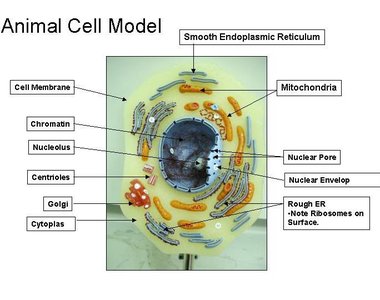
Comparison of Plant and Animal Cells
Plant and animal cells share many features but differ in key structures and functions.
Plant Cells: Have a cell wall, chloroplasts, and a large central vacuole.
Animal Cells: Have a flexible plasma membrane, lack chloroplasts and cell walls, and contain centrioles.
Cell Membrane Structure and Function
P hospholipid Bilayer
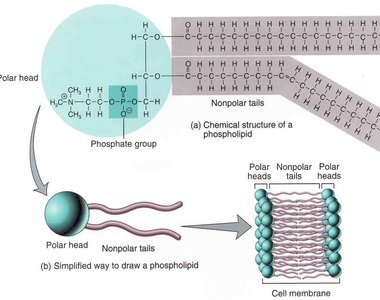
The cell membrane is primarily composed of a phospholipid bilayer, which provides selective permeability and structural integrity.
Phospholipids: Molecules with a hydrophilic (polar) head and hydrophobic (nonpolar) tails.
Function: Forms a barrier between the cell's interior and exterior environments.
Membrane Proteins
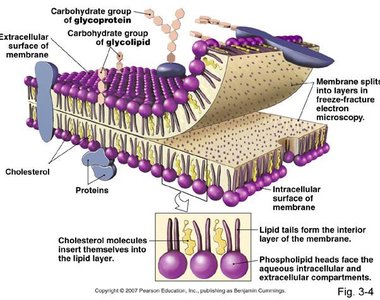
Proteins embedded in the membrane serve as channels, carriers, receptors, and enzymes, facilitating transport and communication.
Integral Proteins: Span the membrane and allow passage of molecules.
Peripheral Proteins: Attach to the membrane surface and assist in signaling.
Diffusion and Osmosis
Definitions
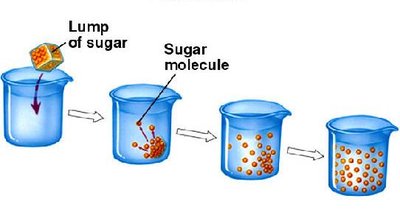
Diffusion: The movement of molecules from an area of higher concentration to lower concentration.
Solvent: The substance in which solutes are dissolved (e.g., water).
Solute: The substance dissolved in a solvent (e.g., salt, sugar).
Solution: A homogeneous mixture of solute and solvent.
Concentration Gradient: The difference in concentration between two regions.
Rate of Diffusion
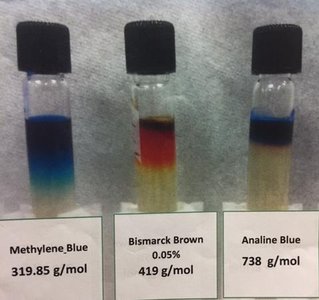
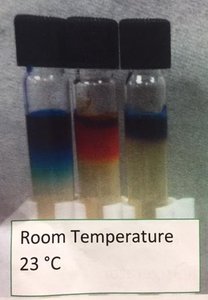
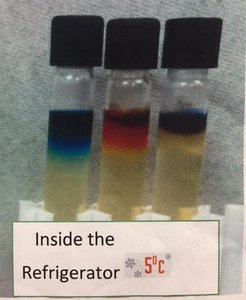
The rate of diffusion depends on molecular weight and temperature. Lighter molecules and higher temperatures increase diffusion rates.
Formula:
Example: Methylene Blue (MW=320), Bismark Brown (MW=419), Aniline Blue (MW=738) diffuse at different rates in gelatin tubes.
Osmosis
Osmosis is the movement of water across a selectively permeable membrane from an area of low solute concentration to high solute concentration.
Isotonic Solution: Equal solute concentration inside and outside the cell.
Hypotonic Solution: Lower solute concentration outside the cell; water enters the cell.
Hypertonic Solution: Higher solute concentration outside the cell; water leaves the cell.
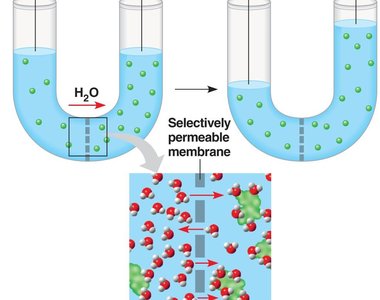
Movement of Solutes Across Membranes
Solutes move across membranes by diffusion or facilitated transport, depending on their size and polarity.
Dialysis: The separation of solutes by a selectively permeable membrane.
Example: Albumin and starch diffusion in dialysis experiments.
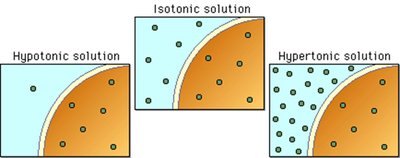
Effect of Osmosis on Living Cells
Osmosis affects cell structure and function, leading to turgidity or plasmolysis in plant cells and crenation or hemolysis in animal cells.
Elodea Cells: Become turgid in hypotonic solutions and plasmolyzed in hypertonic solutions.
Red Blood Cells: Crenate in hypertonic solutions and undergo hemolysis in hypotonic solutions.
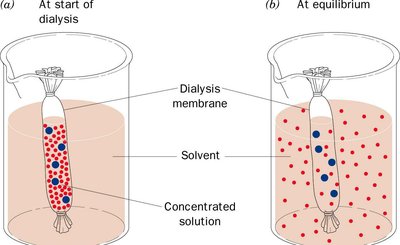
Additional info:
These notes cover content relevant to General Biology chapters on cell structure, membrane function, and transport mechanisms.
Images included are directly relevant to the explanation of each paragraph, reinforcing key concepts.
