 Back
Cell Structure, Membrane Function, and Transport Mechanisms: General Biology Study Notes
Study Guide - Smart Notes
 Tailored notes based on your materials, expanded with key definitions, examples, and context.
Cell Types and Structures
Prokaryotic Cells
Prokaryotic cells are simple, unicellular organisms lacking a nucleus and membrane-bound organelles. They are fundamental to understanding cellular diversity and include bacteria and cyanobacteria.
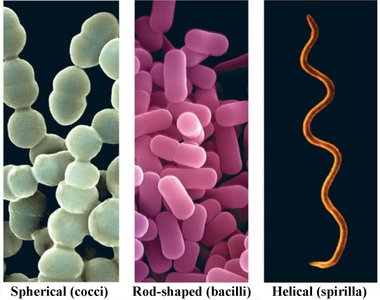
Bacterial Shapes: Bacteria are classified by their morphology:
Coccus: Spherical shape
Bacillus: Rod-shaped
Spirillum: Helical or spiral-shaped
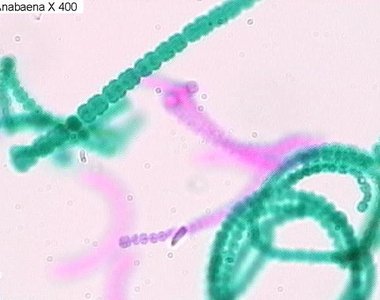
Cyanobacteria: Photosynthetic prokaryotes, such as Anabaena and Oscillatoria, play a crucial role in nitrogen fixation and oxygen production.
Eukaryotic Cells
Eukaryotic cells are more complex, containing a nucleus and various organelles. They are found in protists, plants, and animals.
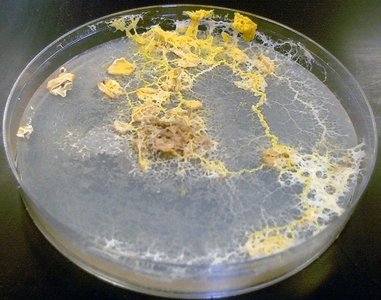
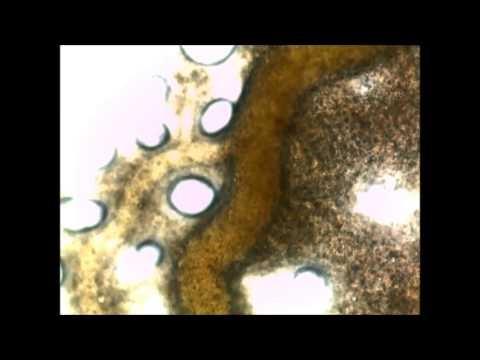
Protists: Single-celled eukaryotes like Physarum polycephalum (plasmodial slime mold) exhibit cytoplasmic streaming, a process influenced by temperature.
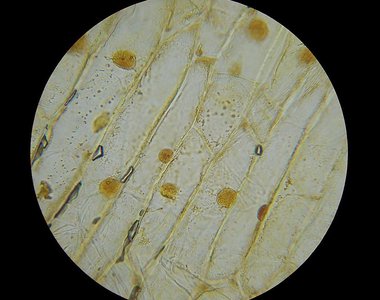
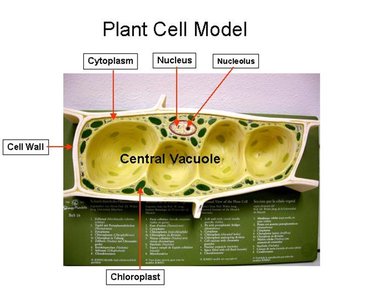
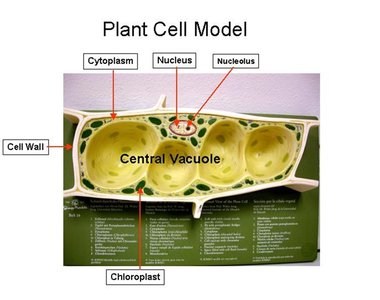
Plant Cells: Characterized by a cell wall, chloroplasts, and a central vacuole. Examples include Elodea and onion cells.
Elodea: Shows cytoplasmic streaming and contains chloroplasts.
Onion: Cell wall and nucleus are visible, often stained for contrast.
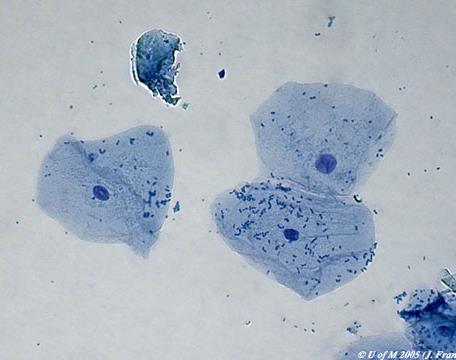
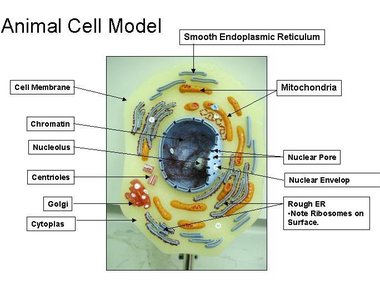
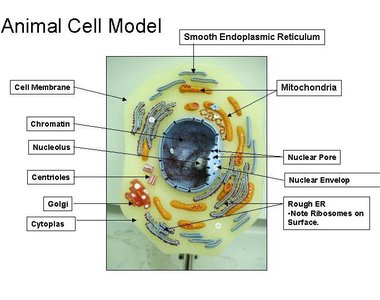
Animal Cells: Lack cell walls and chloroplasts, but have a plasma membrane and nucleus. Cheek cells are a common example, often stained with methylene blue for visibility.
Comparison of Plant and Animal Cells
Plant and animal cells share many organelles but differ in key structures.
Plant Cells: Have cell walls, chloroplasts, and a large central vacuole.
Animal Cells: Have centrioles, lysosomes, and lack cell walls and chloroplasts.
Cell Membrane Structure and Function
Phospholipid Bilayer
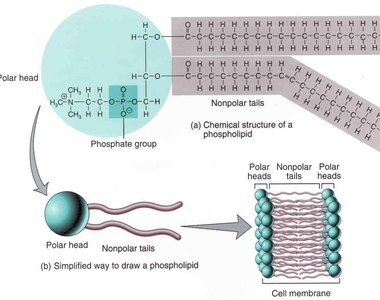
The cell membrane is composed of a phospholipid bilayer, which forms a selective barrier between the cell and its environment.
Phospholipids: Have a hydrophilic (polar) head and hydrophobic (nonpolar) tails.
Function: Maintains cellular integrity and regulates transport.
Membrane Proteins
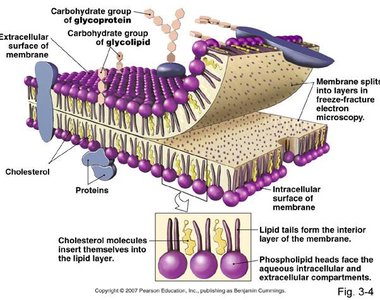
Proteins embedded in the membrane serve as channels, carriers, and receptors, facilitating transport and communication.
Integral Proteins: Span the membrane and allow passage of ions and molecules.
Peripheral Proteins: Attach to the membrane surface and assist in signaling.
Diffusion and Osmosis
Definitions
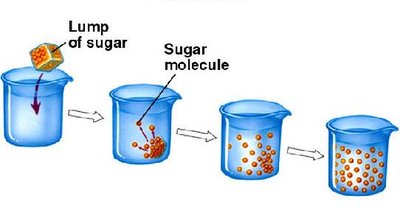
Diffusion: Movement of molecules from high to low concentration.
Solvent: The substance in which solutes dissolve (e.g., water).
Solute: The substance dissolved in a solvent.
Solution: A mixture of solute and solvent.
Concentration Gradient: Difference in concentration across a space.
Rate of Diffusion
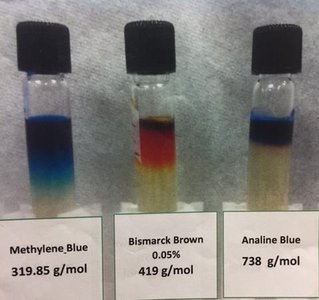
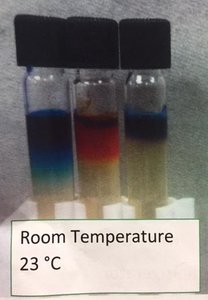
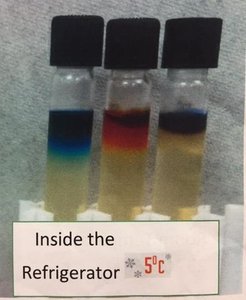
The rate of diffusion depends on molecular weight and temperature.
Formula:
Example: Methylene Blue (MW=320), Bismark Brown (MW=419), Aniline Blue (MW=738) diffuse at different rates.
Temperature Effect: Higher temperatures increase diffusion rate.
Osmosis
Osmosis is the movement of water across a selectively permeable membrane from low solute concentration to high solute concentration.
Key Terms:
Isotonic: Equal solute concentration inside and outside the cell.
Hypotonic: Lower solute concentration outside the cell; water enters the cell.
Hypertonic: Higher solute concentration outside the cell; water leaves the cell.
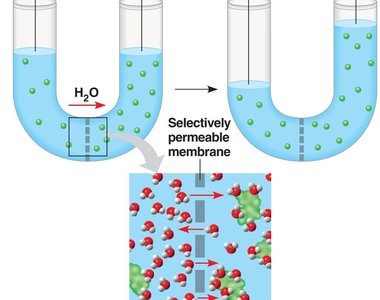
Movement of Solutes Across Membranes
Selectively permeable membranes allow certain solutes to pass while blocking others, based on size and charge.
Example: Dialysis experiment with albumin, starch, and salts demonstrates selective diffusion.
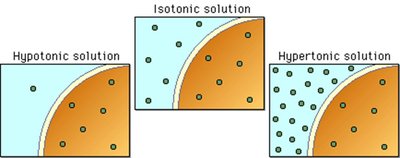
Effect of Osmosis on Living Cells
Osmosis in Plant Cells (Elodea)
Plant cells respond to osmotic environments by becoming turgid (hypotonic) or plasmolyzed (hypertonic).
Turgid: Cell swells as water enters; ideal for plant structure.
Plasmolyzed: Cell shrinks as water leaves; chloroplasts cluster.
Osmosis in Animal Cells (Red Blood Cells)
Animal cells react differently to osmotic conditions:
Isotonic: Cells retain normal shape.
Hypotonic: Cells swell and may burst (hemolysis).
Hypertonic: Cells shrink (crenation).
Additional info:
These notes cover core concepts from General Biology chapters on cell structure, membrane function, diffusion, and osmosis.
Images included are directly relevant to the explanation of each paragraph, reinforcing visual understanding of cell types, membrane structure, and transport mechanisms.
