 Back
BackCell–Cell Interactions: Structure, Communication, and Signal Transduction
Study Guide - Smart Notes
 Tailored notes based on your materials, expanded with key definitions, examples, and context.
Cell–Cell Interactions
Extracellular Material: Structure and Function
The extracellular material surrounding cells plays a crucial role in protection, structural support, and communication. Both plant and animal cells possess specialized layers beyond the plasma membrane, composed of a network of filaments embedded in a ground substance.
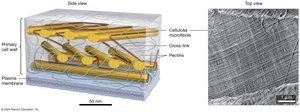
Plant Cells: The cell wall consists of cellulose microfibrils and gelatinous polysaccharides (e.g., pectins) that provide rigidity and flexibility.
Animal Cells: The extracellular matrix (ECM) is primarily made of collagen fibers and proteoglycans, offering structural integrity and facilitating cell signaling.
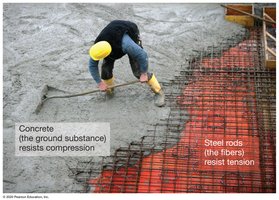
Ground Substance: Resists compression, while fibrous components resist tension, similar to concrete and steel rods in construction.
Connections and Communication Between Plant Cells
Plant cells are interconnected through specialized structures that enable adhesion and communication.
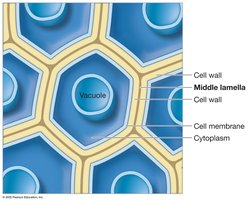
Middle Lamella: A pectin-rich layer that glues adjacent plant cells together, continuous with their cell walls.
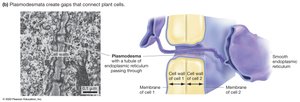
Plasmodesmata: Channels that traverse cell walls, allowing direct cytoplasmic exchange and signaling between cells.
Extracellular Matrix (ECM) in Animals
Animal cells secrete an ECM that provides structural support and mediates cell signaling.
Collagen: The main fibrous protein, conferring tensile strength.
Proteoglycans: Form the gel-like ground substance, resisting compression.
ECM Functions: Supports tissue integrity, cell adhesion, and communication.
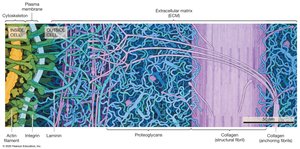
Connections and Communication Between Animal Cells
Animal cells utilize membrane proteins to form various junctions for adhesion and communication.
Tight Junctions: Seal cells together, preventing passage of molecules between them.
Desmosomes: Connect cytoskeletons of adjacent cells, providing mechanical strength.
Gap Junctions: Act as channels for direct exchange of ions and small molecules.
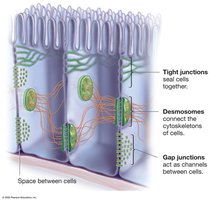
Cell Signaling and Signal Transduction
Communication Between Distant Cells
Multicellular organisms rely on signaling molecules to coordinate activities between distant cells.
Neurotransmitters: Open or close ion channels in target cells.
Hormones: Information-carrying molecules (peptides, steroids, gases) secreted by cells, circulating to act on distant target cells.
Signal Reception: Types of Signaling Molecules
Cells respond to signals only if they possess the appropriate receptors. The location of the receptor depends on the solubility of the signaling molecule.
Lipid-Soluble Molecules: Diffuse across the plasma membrane; receptors are located in the cytoplasm.
Lipid-Insoluble Molecules: Cannot cross the membrane; receptors are embedded in the cell surface.
Signal Transduction Pathways
Signal transduction involves the conversion of an extracellular signal into a functional response inside the cell. Two major pathways are:
G Protein-Coupled Receptors (GPCRs): Transmembrane receptors that activate G proteins, which are regulated by guanine nucleotides (GDP/GTP).
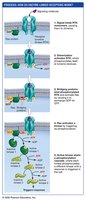
Enzyme-Linked Receptors: Often receptor tyrosine kinases (RTKs), which directly catalyze reactions inside the cell, such as phosphorylation cascades.
G Protein-Coupled Receptor Signaling
GPCRs trigger the production of second messengers, which rapidly diffuse and amplify the signal within the cell.
Second Messengers: Small molecules (e.g., cAMP, Ca2+) produced quickly in large quantities, with diverse roles in different cells.
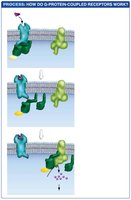
Enzyme-Linked Receptor Signaling
RTKs and other enzyme-linked receptors catalyze phosphorylation events, often activating proteins like Ras and triggering cascades of protein kinases.
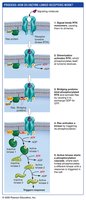
Signal Response and Deactivation
The cellular response to a signal can vary, typically resulting in changes in gene expression or activation/deactivation of target proteins. Signal deactivation is essential for maintaining sensitivity and preventing overstimulation.
Gene Expression Changes: Signals can activate or repress transcription of specific genes.
Protein Activation/Deactivation: Signals may modify existing proteins, altering their activity.
Deactivation Mechanisms: Phosphatases remove phosphate groups, rapidly turning off signaling cascades.
Summary Table: Plant vs. Animal Cell Connections
Feature | Plant Cells | Animal Cells |
|---|---|---|
Extracellular Material | Cell wall (cellulose, pectins) | ECM (collagen, proteoglycans) |
Cell–Cell Adhesion | Middle lamella | Tight junctions, desmosomes |
Cell–Cell Communication | Plasmodesmata | Gap junctions |
Additional info: The notes expand on brief points by providing definitions, examples, and context for cell–cell interactions and signal transduction pathways, ensuring completeness and academic quality for exam preparation.
