 Back
Cells: The Basic Units of Life – Structure, Function, and Organization
Study Guide - Smart Notes
 Tailored notes based on your materials, expanded with key definitions, examples, and context.
Cells: The Basic Units of Life
Cell Theory
The cell theory is a foundational concept in biology, describing the properties and significance of cells in living organisms.
All living things are composed of cells: Cells are the fundamental units of life.
Cells are the basic unit of structure and organization: Every organism is made up of one or more cells, which organize biological functions.
Cells arise only from previously existing cells: New cells are produced by the division of existing cells.
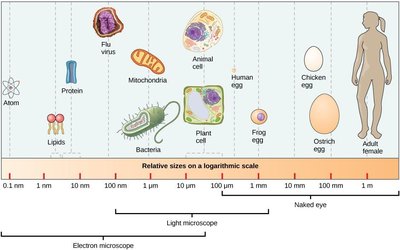
Cell Size and Surface Area to Volume Ratio
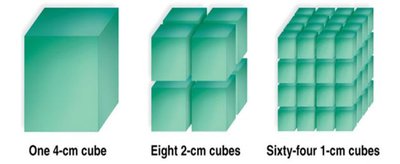
Cell size is limited by the relationship between surface area and volume, which affects the cell's ability to exchange materials with its environment.
Surface Area (SA): The plasma membrane must be large enough for efficient transport.
Volume (V): Determines the demand for internal resources.
As cells increase in size, their SA:V ratio decreases, limiting efficiency.
Cells with a large SA:V ratio are most efficient.
Cell Shape and Adaptation
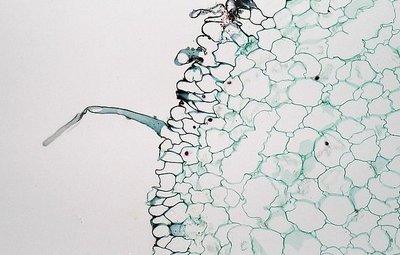
Cells are not always spherical or cuboidal; their shapes are adapted to their functions, often to maximize surface area for exchange.
Root hair cells have long, thin extensions to increase absorption.
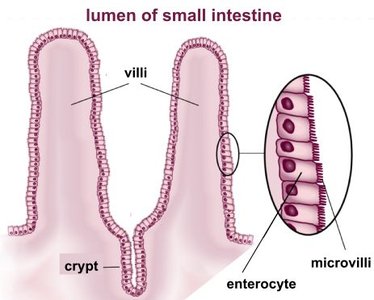
Small intestine epithelial cells have microvilli to enhance nutrient uptake.
White blood cells change shape for movement.
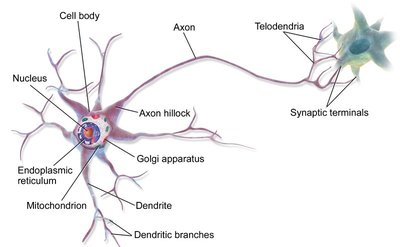
Nerve cells have long extensions for signal transmission.
Basic Cell Types: Prokaryotic and Eukaryotic
Prokaryotic Cells
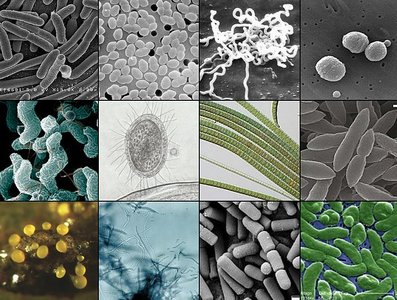
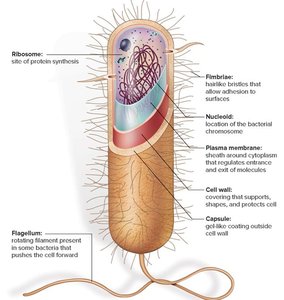
Prokaryotic cells are simple, lacking a nucleus and membrane-bound organelles. Their DNA is located in an unbound region called the nucleoid.
Bacteria and Archaea are prokaryotic.
Key features: No nucleus, no membrane-bound organelles, DNA in nucleoid.
Eukaryotic Cells
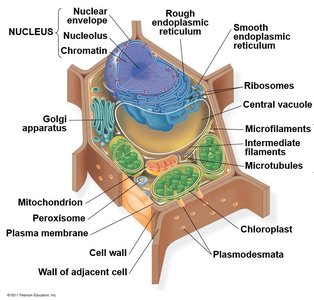
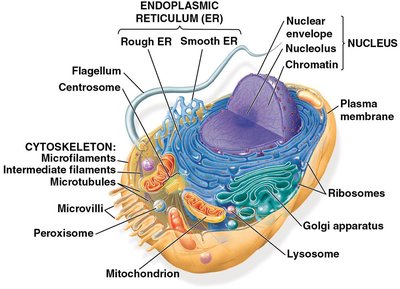
Eukaryotic cells are more complex, with DNA enclosed in a nucleus and numerous membrane-bound organelles that compartmentalize functions.
All organisms except bacteria and archaea are eukaryotic.
Key features: Nucleus, membrane-bound organelles, compartmentalization.
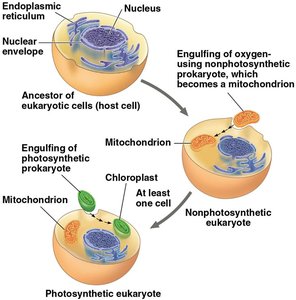
Membrane-bound organelles evolved via endosymbiosis.
Endosymbiont Theory
The endosymbiont theory explains the origin of mitochondria and chloroplasts in eukaryotic cells.
An ancestral eukaryotic cell engulfed a prokaryote, forming a symbiotic relationship.
Mitochondria and chloroplasts have double membranes, their own DNA, and ribosomes.
They reproduce independently within cells.
Cellular Structures and Organelles
Plasma Membrane
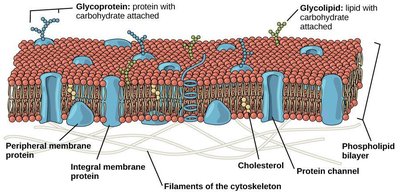
The plasma membrane is the boundary between the cell and its environment, allowing the cell to maintain internal conditions.
Composed of a phospholipid bilayer, proteins, and cholesterol (in animal cells).
Functions: Selective transport, communication, structural support.
Nucleus
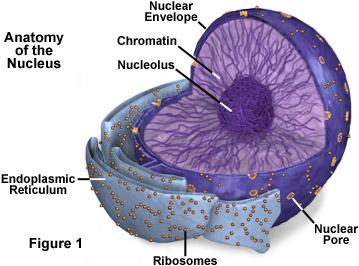
The nucleus is the control center of the cell, containing genetic material and coordinating activities such as growth and reproduction.
Contains chromatin (DNA and proteins), nucleolus (ribosome synthesis), and nucleoplasm.
Surrounded by a double membrane (nuclear envelope) with nuclear pores.
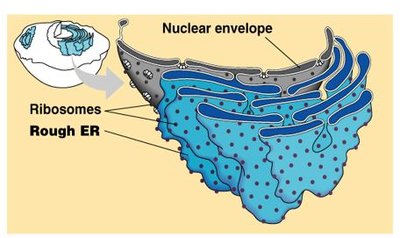
Nuclear envelope is continuous with the endoplasmic reticulum.
Chromatin and Chromosomes
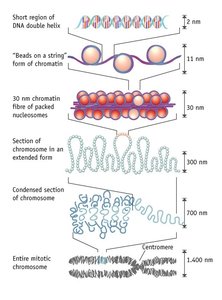
Chromatin is the complex of DNA and proteins found in the nucleus. During cell division, chromatin condenses to form chromosomes.
Chromatin structure changes during the cell cycle.
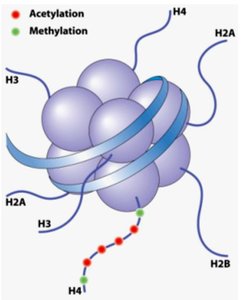
DNA wraps around histone proteins to form nucleosomes.
Ribosomes
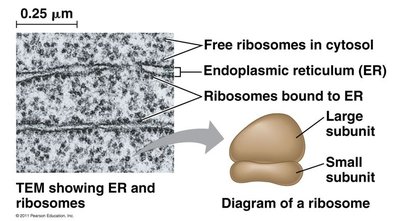
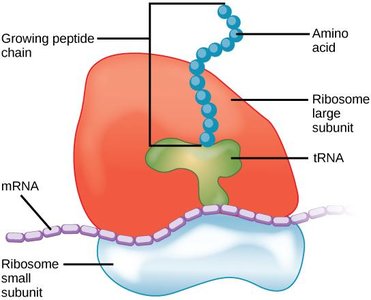
Ribosomes are the sites of protein synthesis, composed of ribosomal RNA and protein. They are not membrane-bound.
Free ribosomes synthesize proteins in the cytosol.
Bound ribosomes synthesize proteins for membranes or secretion.
The Endomembrane System
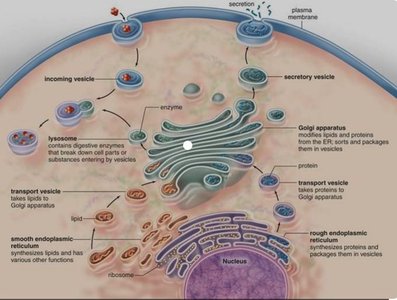
The endomembrane system is a group of organelles that work together to modify, package, and transport molecules within the cell.
Includes: Nuclear envelope, endoplasmic reticulum, Golgi apparatus, lysosomes, vacuoles, plasma membrane.
Functions: Protein synthesis and transport, lipid metabolism, detoxification.
Endoplasmic Reticulum (ER)
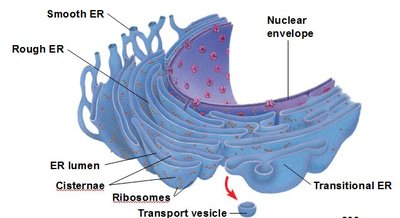
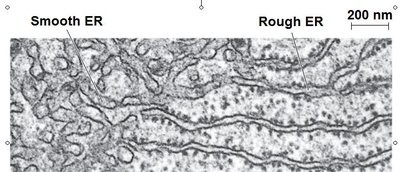
The ER is a network of membranes involved in protein and lipid synthesis. It is continuous with the nuclear envelope.
Smooth ER: Synthesizes lipids, metabolizes carbohydrates, detoxifies drugs, stores calcium.
Rough ER: Studded with ribosomes, modifies and folds proteins, glycosylation, packages proteins into vesicles.
Golgi Apparatus
The Golgi apparatus modifies, sorts, and packages proteins and lipids for delivery to their destinations.
Consists of flattened sacs called cisternae.
Has three regions: Cis face (nearest ER), medial, trans face (nearest cell membrane).
Synthesizes some polysaccharides for plant cell walls.
Region | Function |
|---|---|
Cis Face | Receives vesicles from ER |
Medial | Modification of contents |
Trans Face | Sorts and ships vesicles |
Lysosomes
Lysosomes are membrane-bound organelles responsible for intracellular digestion and recycling.
Contain acid hydrolases active at low pH.
Digest macromolecules and recycle cellular components.
Low pH maintained by vacuolar H+ ATPase.
Vacuoles
Vacuoles are storage compartments found in plant and fungal cells.
Food vacuoles form by phagocytosis.
Contractile vacuoles pump excess water out of cells.
Central vacuoles store organic compounds and water in mature plant cells.
Energy Transformation Organelles
Chloroplasts
Chloroplasts are the sites of photosynthesis in plants and algae.
Contain thylakoid membranes with pigments for light capture.
Stroma is the fluid outside thylakoids.
Contain DNA and ribosomes.
Mitochondria
Mitochondria are the sites of cellular respiration, generating ATP from oxygen and glucose.
Have two membranes and two compartments: intermembrane space and matrix.
Contain DNA and ribosomes.
Peroxisomes
Peroxisomes are specialized metabolic compartments that detoxify harmful substances and break down fatty acids.
Convert hydrogen peroxide (H2O2) to water and oxygen.
Use O2 to break down fatty acids.
Involved in photorespiration in plants.
Cytoskeleton: Support and Motility
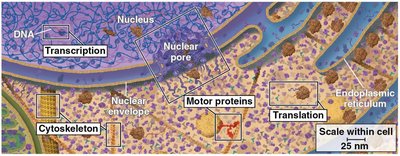
The cytoskeleton is a network of fibers that provides structural support, maintains cell shape, and enables movement.
Interacts with motor proteins for motility.
Vesicles travel along cytoskeletal "monorails".
Types of Cytoskeleton Fibers
Microfilaments: Made of actin, support cell shape and motility.
Microtubules: Made of tubulin, maintain shape, enable movement of chromosomes and organelles.
Intermediate filaments: Made of keratins, maintain cell shape and keep organelles in place.
Centrosomes, Centrioles, Cilia, and Flagella
Microtubules grow from centrosomes, which contain centrioles in animal cells. Cilia and flagella are locomotor appendages controlled by microtubules.
Centrosome: Microtubule-organizing center.
Centrioles: Nine triplets of microtubules arranged in a ring.
Cilia and flagella: Differ in beating patterns, enable movement.
Cell Walls and Extracellular Structures
Cell Walls
Cell walls are present in prokaryotes, fungi, some protists, and plants, providing structural support and protection.
Extracellular Matrix (ECM) of Animal Cells
Animal cells lack cell walls but have an ECM composed of glycoproteins such as collagen, proteoglycans, and fibronectin.
ECM proteins bind to integrins in the plasma membrane.
Cell Junctions
Intercellular junctions facilitate adhesion, interaction, and communication between neighboring cells.
Plants: Plasmodesmata – channels within cell walls for cytoplasmic exchange.
Animals: Tight junctions (diffusion barriers), desmosomes (anchoring), gap junctions (channels).
Junction Type | Function |
|---|---|
Tight Junctions | Prevent leakage of extracellular fluid |
Desmosomes | Anchor cells together |
Gap Junctions | Allow passage of ions and molecules |
Plasmodesmata | Connect plant cells for cytoplasmic exchange |
Additional info: The notes above expand on the original content by providing definitions, examples, and context for each organelle and cell structure, as well as including relevant images to reinforce understanding.
