 Back
Cellular Respiration and Fermentation: Chapter 9 Study Guide
Study Guide - Smart Notes
 Tailored notes based on your materials, expanded with key definitions, examples, and context.
Cellular Respiration and Fermentation
Principles of Energy Harvest
Cellular respiration and fermentation are two fundamental processes by which cells harvest energy from organic molecules. Cellular respiration is a multi-step, oxygen-dependent process that results in the complete oxidation of glucose, whereas fermentation is an anaerobic process that only partially oxidizes glucose.
Fermentation: Occurs without oxygen; produces less ATP; end products include lactic acid or ethanol.
Cellular Respiration: Requires oxygen; produces more ATP; end products are CO2 and H2O.
Summary Equation for Cellular Respiration:

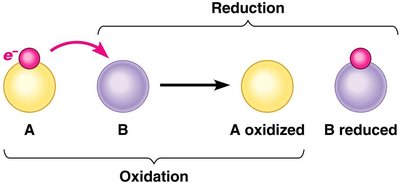
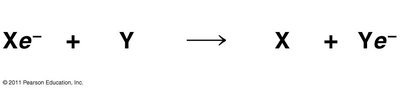
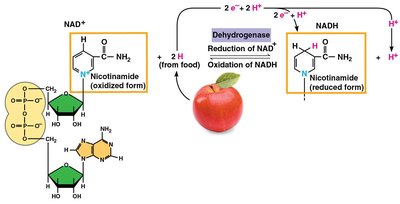
Oxidation: Loss of electrons (LEO).
Reduction: Gain of electrons (GER).
Redox Reactions: Paired oxidation and reduction reactions; essential for energy transfer.
NAD+: Electron carrier; accepts electrons and becomes NADH, storing energy for ATP synthesis.
Electron Transport Chain (ETC): Transfers electrons from NADH/FADH2 to oxygen, generating ATP via chemiosmosis.
Chemiosmotic Model: Describes ATP generation by movement of protons across a membrane, driving ATP synthase.
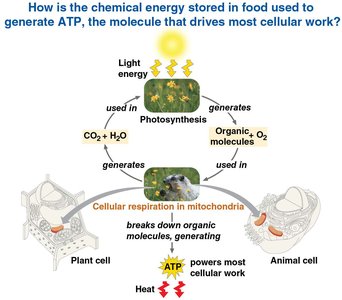
Metabolism: Anabolic and Catabolic Reactions
Metabolism encompasses all chemical reactions in living organisms. It is divided into anabolic (building) and catabolic (breaking down) reactions, with ATP serving as the energy currency that couples these processes.
Anabolic Reactions: Synthesis of complex molecules; require energy.
Catabolic Reactions: Breakdown of molecules; release energy.
ATP: Couples catabolic and anabolic reactions.
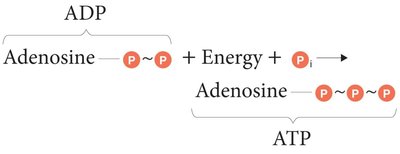
Oxidation-Reduction (Redox) Reactions
Redox reactions are central to cellular energy production. The electron donor is the reducing agent, and the electron acceptor is the oxidizing agent.
Reducing Agent: Donates electrons; becomes oxidized.
Oxidizing Agent: Accepts electrons; becomes reduced.
ATP Generation Mechanisms
ATP is generated by three main mechanisms: substrate-level phosphorylation, oxidative phosphorylation, and photophosphorylation.
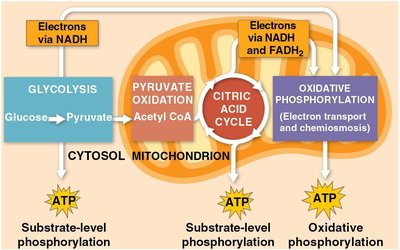
Substrate-level Phosphorylation: Direct transfer of phosphate group to ADP from a substrate.
Oxidative Phosphorylation: ATP synthesis powered by the electron transport chain and chemiosmosis.
Photophosphorylation: ATP synthesis in plants using light energy.

Carbohydrate Catabolism: Overview
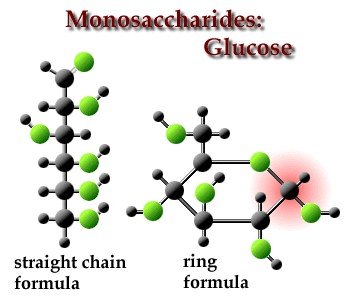
Carbohydrates, especially glucose, are the primary source for ATP generation. Catabolism of glucose occurs via cellular respiration or fermentation, both beginning with glycolysis.
Cellular Respiration: Complete breakdown of glucose; includes glycolysis, Krebs cycle, and ETC.
Fermentation: Partial breakdown; only glycolysis, no Krebs cycle or ETC.
Stages of Cellular Respiration
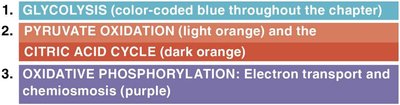
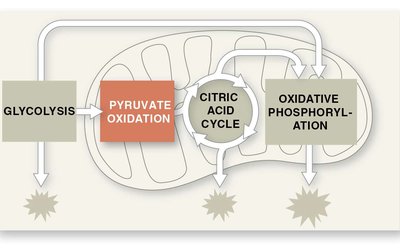
Cellular respiration proceeds through three coupled pathways: glycolysis, pyruvate oxidation (intermediate step), citric acid cycle (Krebs cycle), and electron transport chain (ETC).
Glycolysis: Occurs in cytoplasm; splits glucose into two pyruvate molecules.
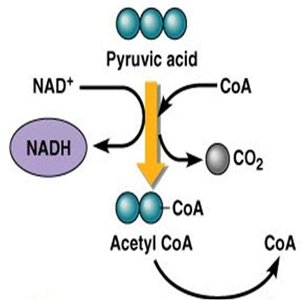
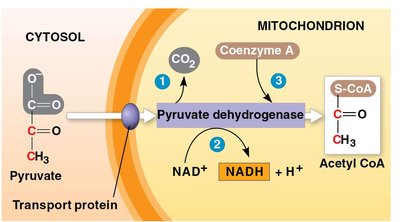
Pyruvate Oxidation: Converts pyruvate to acetyl CoA; links glycolysis to citric acid cycle.
Citric Acid Cycle: Completes oxidation of glucose; generates NADH, FADH2, and ATP.
ETC: Transfers electrons to oxygen; generates most ATP via oxidative phosphorylation.
Glycolysis
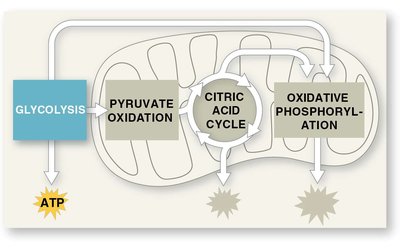
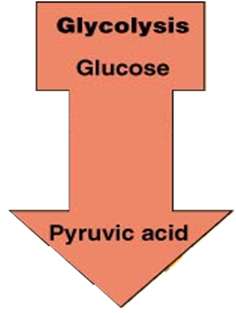
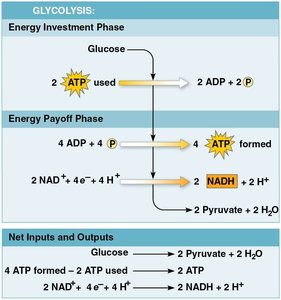
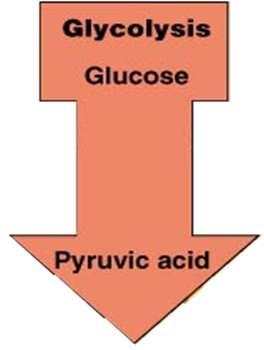
Glycolysis is the splitting of glucose into two pyruvate molecules. It consists of ten enzyme-catalyzed reactions and occurs in two phases: energy investment and energy payoff.
Energy Investment Phase: 2 ATP used.
Energy Payoff Phase: 4 ATP and 2 NADH produced.
Net Products: 2 ATP, 2 NADH, 2 pyruvate.
Pyruvate Oxidation (Intermediate Step)
Pyruvate oxidation links glycolysis to the citric acid cycle. Each pyruvate is converted to acetyl CoA, producing NADH and CO2.
Substrates: 2 pyruvate, 2 NAD+, 2 CoA.
Products: 2 acetyl CoA, 2 NADH, 2 CO2.
Summary Table: Cellular Respiration Pathways
Stage | Location | Main Products | ATP Yield |
|---|---|---|---|
Glycolysis | Cytoplasm | 2 Pyruvate, 2 NADH, 2 ATP | 2 ATP (net) |
Pyruvate Oxidation | Mitochondrial Matrix | 2 Acetyl CoA, 2 NADH, 2 CO2 | 0 ATP |
Citric Acid Cycle | Mitochondrial Matrix | 6 NADH, 2 FADH2, 2 ATP, 4 CO2 | 2 ATP |
Electron Transport Chain | Inner Mitochondrial Membrane | ATP, H2O | ~28 ATP |
Additional info: The exact ATP yield per glucose varies due to inefficiencies and transport costs, but the theoretical maximum is about 32 ATP.
