 Back
Cellular Respiration and Fermentation: Pathways of Energy Harvesting
Study Guide - Smart Notes
 Tailored notes based on your materials, expanded with key definitions, examples, and context.
Cellular Respiration and Fermentation
Overview of Cellular Respiration and Fermentation
Cellular respiration and fermentation are essential metabolic pathways that allow cells to extract energy from organic molecules. These processes are central to the flow of energy in biological systems, connecting the breakdown of nutrients to the synthesis of ATP, the cell’s energy currency.
Cellular respiration: The complete oxidation of organic molecules to produce ATP, typically using an electron transport chain and oxygen as the final electron acceptor (aerobic respiration).
Fermentation: Partial degradation of organic molecules to produce ATP without the use of oxygen or an electron transport chain.
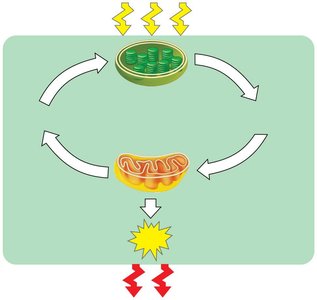
Catabolic Pathways and Energy Yield
Catabolic Pathways
Catabolic pathways break down complex molecules into simpler ones, releasing energy that can be harnessed for cellular work. Organic compounds contain potential energy, which is released in a controlled manner by enzymes during exergonic reactions.
Energy is not released all at once but is harvested in steps, primarily to synthesize ATP.
ATP acts as the molecular currency for cellular work.
Types of Respiration
Aerobic respiration: Uses oxygen as the final electron acceptor; most efficient and common in eukaryotes and some prokaryotes.
Anaerobic respiration: Uses inorganic molecules other than oxygen as the final electron acceptor; less efficient, found in some prokaryotes.
General equation for aerobic respiration:

Redox Reactions in Cellular Respiration
Oxidation-Reduction (Redox) Reactions
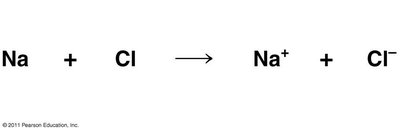
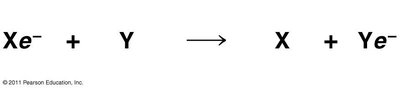
Energy is released from organic molecules by relocating electrons through redox reactions. These reactions involve the transfer of electrons from one molecule (the reducing agent) to another (the oxidizing agent).
Oxidation: Loss of electrons (increase in charge).
Reduction: Gain of electrons (decrease in charge).
"LEO the lion says GER": Lose Electrons = Oxidation; Gain Electrons = Reduction.
Electron Carriers
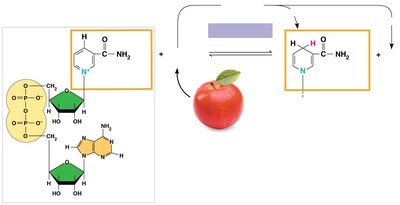
Electrons are often transferred to electron carriers such as NAD+, which cycles between oxidized (NAD+) and reduced (NADH) states. These carriers shuttle electrons to the electron transport chain.
NAD+: Accepts electrons (oxidizing agent).
NADH: Donates electrons (reducing agent).
Stages of Cellular Respiration
1. Glycolysis
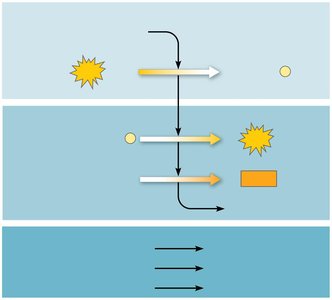
Glycolysis is the first step in the breakdown of glucose, occurring in the cytosol. It splits one glucose molecule (6C) into two pyruvate molecules (3C each), producing a net gain of 2 ATP and 2 NADH. Oxygen is not required.
Energy investment phase: 2 ATP are used.
Energy payoff phase: 4 ATP and 2 NADH are produced.
2. Pyruvate Oxidation and Citric Acid Cycle (Krebs Cycle)
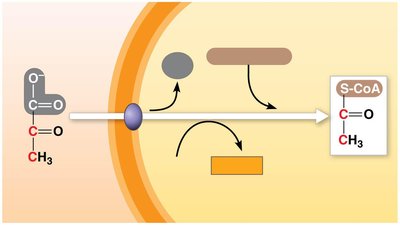
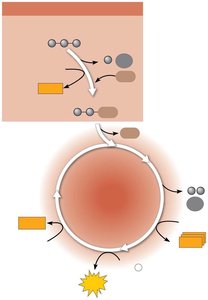
In eukaryotes, pyruvate is transported into the mitochondria and converted to acetyl CoA, which enters the citric acid cycle. In prokaryotes, these processes occur in the cytosol.
Pyruvate oxidation produces acetyl CoA, CO2, and NADH.
Each turn of the citric acid cycle yields 1 ATP, 3 NADH, 1 FADH2, and 2 CO2 per acetyl CoA.
3. Oxidative Phosphorylation: Electron Transport Chain and Chemiosmosis
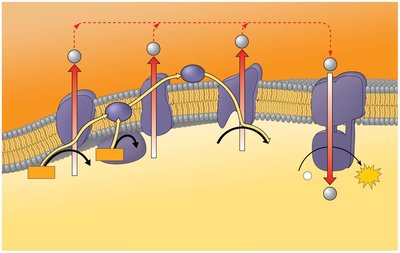
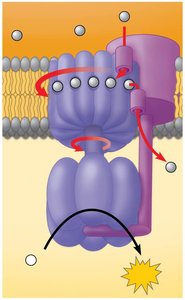
Most ATP is generated during oxidative phosphorylation, which includes the electron transport chain (ETC) and chemiosmosis. The ETC is a series of protein complexes embedded in the inner mitochondrial membrane (or plasma membrane in prokaryotes) that transfer electrons from NADH and FADH2 to oxygen, forming water.
As electrons move through the ETC, energy is used to pump H+ ions across the membrane, creating a proton gradient.
ATP synthase uses this gradient (proton-motive force) to synthesize ATP from ADP and inorganic phosphate.
ATP Yield from Cellular Respiration
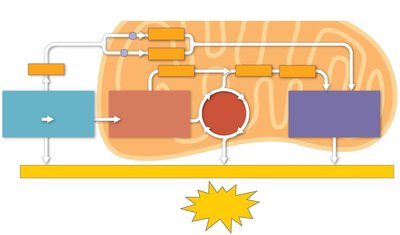
The maximum yield from one glucose molecule is about 30–32 ATP, with most produced by oxidative phosphorylation.
Fermentation and Anaerobic Respiration
Fermentation
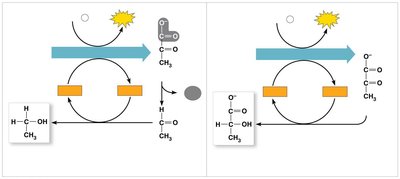
Fermentation allows ATP production in the absence of oxygen by recycling NADH back to NAD+ through the reduction of organic molecules. Common types include:
Alcohol fermentation: Produces ethanol and CO2 (e.g., yeast).
Lactic acid fermentation: Produces lactate (e.g., muscle cells under anaerobic conditions).
Anaerobic Respiration
Some prokaryotes use an electron transport chain with a final electron acceptor other than oxygen (e.g., sulfate ion), resulting in less ATP production compared to aerobic respiration.
Comparison Table: Fermentation, Anaerobic Respiration, Aerobic Respiration
Process | Oxygen Required? | Electron Transport Chain? | Final Electron Acceptor | ATP Yield | End Products |
|---|---|---|---|---|---|
Fermentation | No | No | Organic molecule | 2 ATP (per glucose) | Ethanol, lactate, etc. |
Anaerobic Respiration | No | Yes | Inorganic molecule (not O2) | Varies (less than aerobic) | H2S, etc. |
Aerobic Respiration | Yes | Yes | O2 | ~30–32 ATP (per glucose) | CO2, H2O |
Connections to Other Metabolic Pathways
Catabolism of Other Molecules
Cellular respiration is not limited to glucose; other carbohydrates, fats, and proteins can also be used as fuel. These molecules enter the pathway at various points as intermediates.
Fats: Broken down into glycerol (enters glycolysis) and fatty acids (converted to acetyl CoA).
Proteins: Deaminated and converted to intermediates of glycolysis or the citric acid cycle.
Regulation of Cellular Respiration
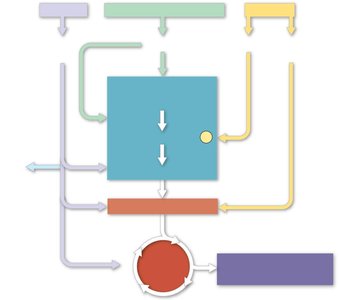
Cellular respiration is tightly regulated by allosteric enzymes at key steps, ensuring energy production matches cellular demand.

Summary
Cellular respiration efficiently extracts energy from organic molecules through glycolysis, the citric acid cycle, and oxidative phosphorylation.
Fermentation and anaerobic respiration provide alternative ATP-generating pathways when oxygen is unavailable.
Multiple types of organic molecules can serve as fuel, and the process is regulated to meet cellular needs.
