 Back
Cellular Respiration: Glycolysis, Citric Acid Cycle, and Chemiosmosis
Study Guide - Smart Notes
 Tailored notes based on your materials, expanded with key definitions, examples, and context.
Cellular Respiration (Aerobic)
Overview of Cellular Respiration
Cellular respiration is a fundamental metabolic pathway in biology, responsible for extracting energy from organic molecules and converting it into ATP, the cell's energy currency. The process consists of three main stages: glycolysis, the citric acid cycle (Krebs cycle), and oxidative phosphorylation (including chemiosmosis). - Glycolysis: Occurs in the cytosol, breaking down glucose into pyruvate. - Citric Acid Cycle: Completes the breakdown of glucose derivatives in the mitochondrial matrix. - Oxidative Phosphorylation: Utilizes the electron transport chain and chemiosmosis to produce most ATP. 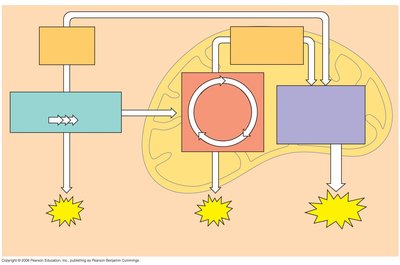
Glycolysis
Steps and Key Reactions
Glycolysis is the first stage of cellular respiration, occurring in the cytosol. It involves a series of enzyme-catalyzed reactions that convert glucose into two molecules of pyruvate, producing ATP and NADH. The pathway is divided into two phases: energy investment and energy payoff. - Energy Investment Phase: ATP is used to phosphorylate glucose and its intermediates. - Energy Payoff Phase: ATP and NADH are produced as glucose is split into pyruvate. 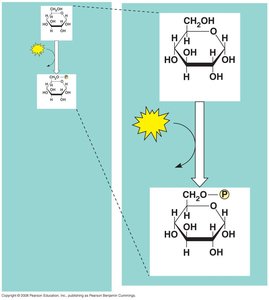
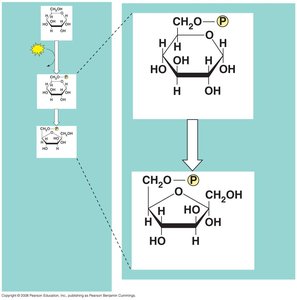
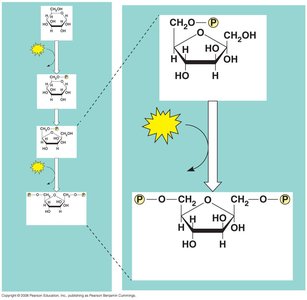
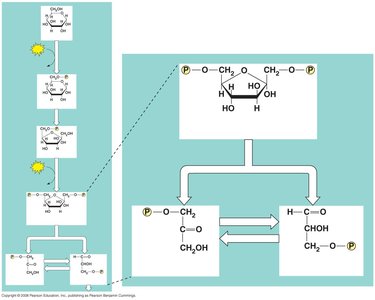
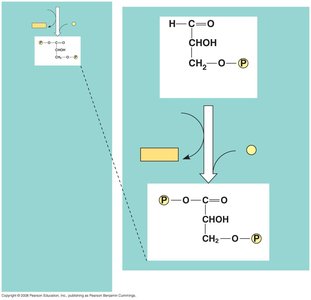
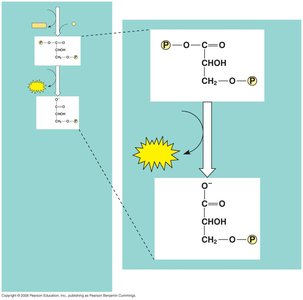
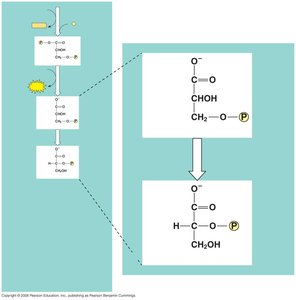
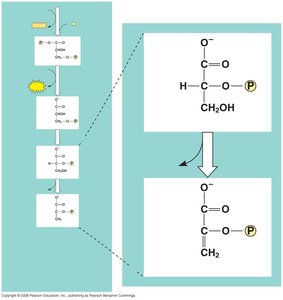
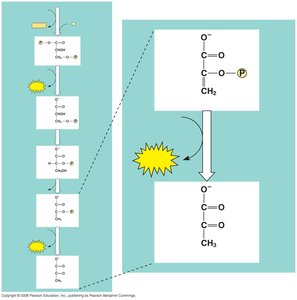 - Key Point: Glycolysis produces a net gain of 2 ATP and 2 NADH per glucose molecule. - Example: The conversion of glucose to pyruvate is essential for both aerobic and anaerobic respiration.
Link Reaction: Pyruvate to Acetyl CoA
Conversion and Importance
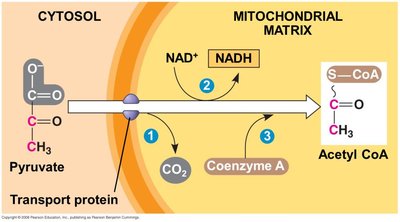
After glycolysis, pyruvate is transported into the mitochondrial matrix, where it is converted to acetyl CoA. This reaction links glycolysis to the citric acid cycle. - Key Point: Each pyruvate yields 1 NADH and releases 1 CO2 during conversion. - Example: Acetyl CoA is the substrate for the citric acid cycle. 
Citric Acid Cycle (Krebs Cycle)
Cycle Steps and Products
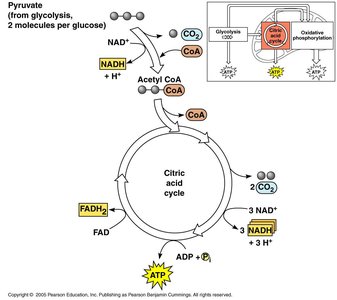
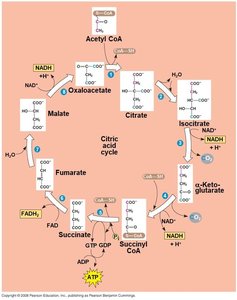
The citric acid cycle occurs in the mitochondrial matrix and oxidizes acetyl CoA, generating ATP, NADH, and FADH2. The cycle consists of eight steps, each catalyzed by a specific enzyme. - Key Point: Each turn of the cycle produces 1 ATP, 3 NADH, and 1 FADH2. - Example: The cycle is a closed loop, regenerating oxaloacetate. 

Electron Transport Chain (ETC) and Oxidative Phosphorylation
Mechanism and Components
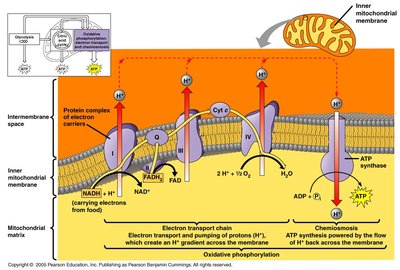
The electron transport chain is a series of protein complexes embedded in the inner mitochondrial membrane. NADH and FADH2 donate electrons, which are passed through the chain, ultimately reducing oxygen to water. - Key Point: The ETC does not directly produce ATP; it creates a proton gradient. - Example: The ETC consists of flavoproteins, cytochromes, and ubiquinones. 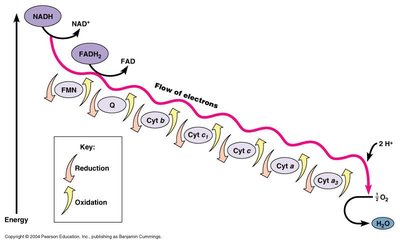
Chemiosmosis and ATP Synthesis
Proton Gradient and ATP Synthase
Chemiosmosis is the process by which the energy stored in a proton gradient across the inner mitochondrial membrane is used to drive ATP synthesis. Protons flow back into the matrix through ATP synthase, which phosphorylates ADP to ATP. - Key Point: ATP synthase is a rotary motor that uses the proton motive force. - Example: Chemiosmosis is the main mechanism for ATP production in aerobic respiration. 
Summary Table: Products of Cellular Respiration
ATP Yield and Efficiency
Stage | ATP Produced | NADH Produced | FADH2 Produced |
|---|---|---|---|
Glycolysis | 2 | 2 | 0 |
Pyruvate to Acetyl CoA | 0 | 2 | 0 |
Citric Acid Cycle | 2 | 6 | 2 |
Oxidative Phosphorylation | ~34 | 0 | 0 |
Total | ~38 | 10 | 2 |
Key Equations
Overall Cellular Respiration Equation
The overall equation for aerobic cellular respiration is:
Additional info:
- Substrate-level phosphorylation refers to ATP production directly from metabolic intermediates, while oxidative phosphorylation uses the energy from the electron transport chain and chemiosmosis. - The efficiency of cellular respiration is about 40%, much higher than most mechanical engines. - Fats and proteins can also enter cellular respiration, with fats yielding more ATP per gram than carbohydrates.
