 Back
Chapter 1: Evolution, the Themes of Biology, and Scientific Inquiry – Study Notes
Study Guide - Smart Notes
 Tailored notes based on your materials, expanded with key definitions, examples, and context.
Chapter 1: Evolution, the Themes of Biology, and Scientific Inquiry
Introduction to Biology
Biology is the scientific study of life, encompassing a vast scope from molecules to the entire biosphere. Life is recognized by the unique activities living things perform, and the discipline of biology seeks to understand these processes through unifying themes.
Unifying Themes in Biology
Organization
Information
Energy and Matter
Interactions
Evolution
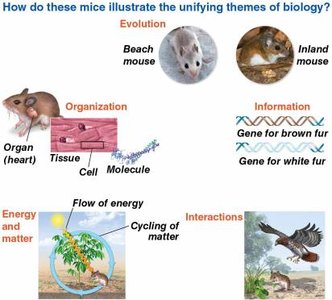
Theme 1: Biological Organization
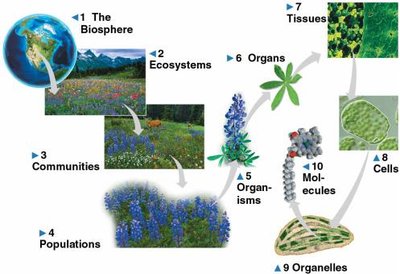
Life can be studied at various hierarchical levels, from molecules to the biosphere. Each level exhibits emergent properties—characteristics that arise from the arrangement and interaction of parts as complexity increases.
Emergent Properties: New properties that arise at each level of organization, not present at the preceding level.
Structure and Function: There is a correlation between structure and function at every level of the biological hierarchy. Understanding one provides insight into the other.
The Cell: Basic Unit of Life
The cell is the smallest unit capable of performing all life activities.
Cell Theory: All living organisms are composed of cells.
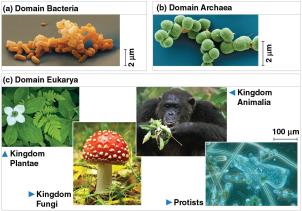
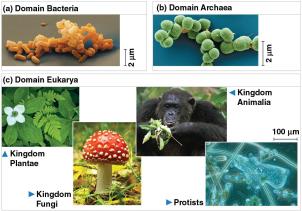
Cells are classified as prokaryotic (no nucleus, e.g., Bacteria and Archaea) or eukaryotic (with nucleus and organelles, e.g., plants, animals, fungi, protists).
Theme 2: Expression and Transmission of Genetic Information
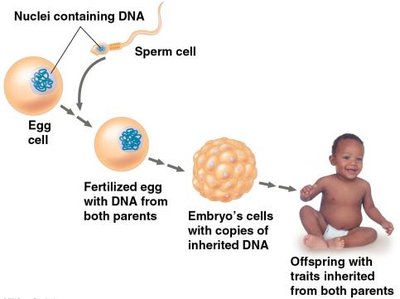
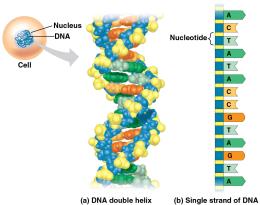
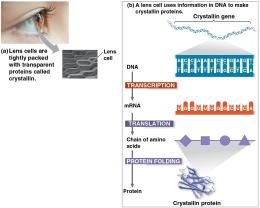
Genetic information is stored in the form of DNA (deoxyribonucleic acid) within chromosomes. Genes, the units of inheritance, encode instructions for building cellular molecules and direct organismal development.
Each DNA molecule consists of two long chains in a double helix, composed of four types of nucleotides: A, G, C, and T.
Gene Expression: The process by which information from a gene is used to synthesize a functional product, typically a protein.
Theme 3: Transfer and Transformation of Energy and Matter
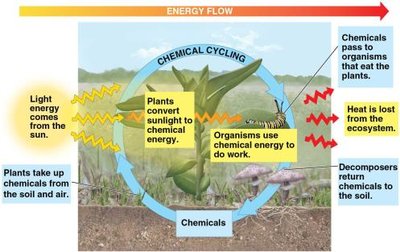
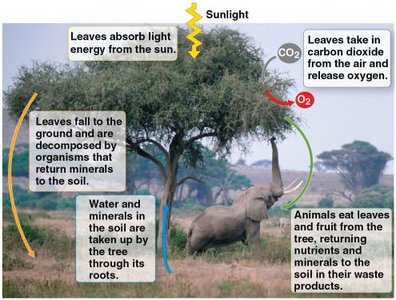
Life depends on the transfer and transformation of energy and matter. Energy flows through ecosystems, primarily entering as sunlight and exiting as heat, while chemicals cycle within ecosystems.
Producers: Organisms (e.g., plants) that convert sunlight into chemical energy.
Consumers: Organisms that obtain energy by feeding on other organisms or their remains.
Energy flow is unidirectional; chemical cycling is circular within ecosystems.
Theme 4: Interactions in Biological Systems
Interactions among components at all levels of biological organization are essential for the smooth functioning of living systems. These interactions can be molecular, cellular, organismal, or ecological.
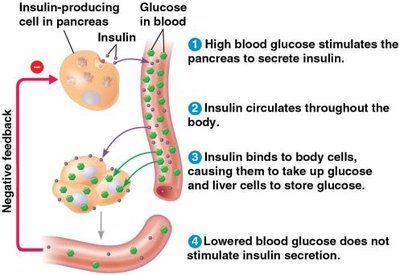
Feedback Regulation: Biological processes are often regulated by feedback mechanisms.
Negative Feedback: The response reduces the initial stimulus (e.g., regulation of blood glucose by insulin).
Positive Feedback: The end product speeds up its own production (less common).
Theme 5: Evolution – The Core Theme of Biology
Evolution explains both the unity and diversity of life. It is the process by which populations of organisms change over generations through changes in allele frequencies.
Alleles: Different versions of genes.
All living organisms are modified descendants of common ancestors.
Evolution is supported by extensive evidence from fossils, anatomy, and molecular biology.
Classification of Life
Approximately 1.8 million species have been identified and named.
Each species is given a two-part scientific name (binomial nomenclature): genus and species (e.g., Homo sapiens).
Life is classified into three domains: Bacteria, Archaea, and Eukarya.
Unity and Diversity
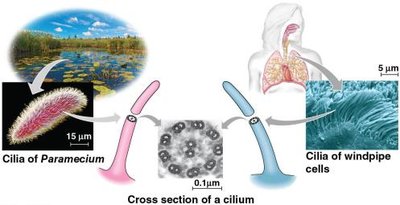
Despite diversity, all organisms share a universal genetic code (DNA).
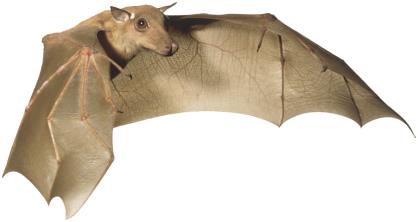
Unity is also seen in anatomical similarities, such as the structure of vertebrate limbs.
Charles Darwin and Natural Selection
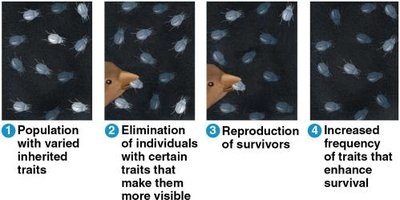
Charles Darwin's theory of natural selection provides a mechanism for evolution. He proposed that individuals with traits best suited to their environment are more likely to survive and reproduce, leading to the accumulation of advantageous traits in a population over time.
Natural Selection: The process by which beneficial traits become more common in a population due to differential survival and reproduction.
Adaptations are inherited traits that enhance survival and reproduction in specific environments.
The Tree of Life
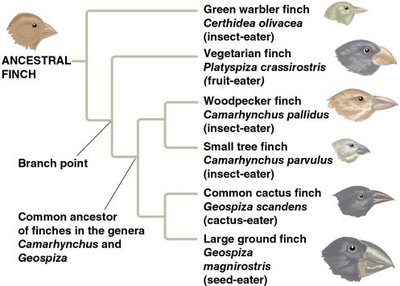
Evolutionary relationships among species are often depicted as tree-like diagrams, illustrating common ancestry and divergence of species. For example, Darwin's finches of the Galápagos Islands demonstrate adaptive radiation from a common ancestor.
Additional info: These notes provide foundational concepts for understanding the unity and diversity of life, the mechanisms of inheritance, and the processes that drive evolution, all of which are central to introductory biology courses.
