 Back
BackChapter 1: Learning About Life – Foundations of Biology
Study Guide - Smart Notes
 Tailored notes based on your materials, expanded with key definitions, examples, and context.
Introduction to Biology
The Human Fascination with Life
Biology is the scientific study of life, driven by human curiosity about the natural world. Understanding biology is not only academically important but also relevant to everyday life and society.
Biology helps us make sense of the diversity and complexity of living organisms.
Exploring life allows us to apply scientific knowledge to personal and societal issues.
The Process of Science
What is Science?
Science is an approach to understanding the natural world based on inquiry, evidence, and the search for explanations. Scientists focus on phenomena that can be observed and measured.
Science relies on data—recorded observations that serve as evidence.
Scientific inquiry begins with exploration, leading to questions and hypotheses.
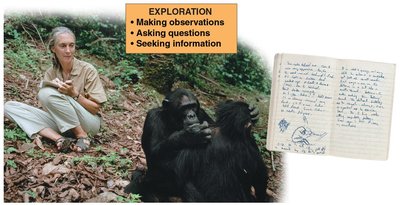
The Scientific Method: Exploration and Testing
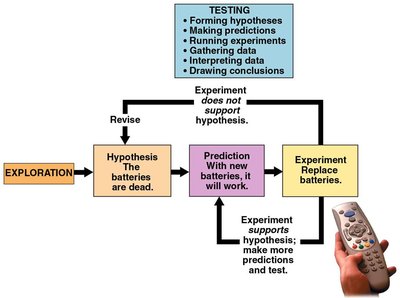
The process of science involves forming hypotheses, making predictions, conducting experiments, and drawing conclusions. A hypothesis is a testable and falsifiable proposed explanation for observations.
Experiments are designed to test hypotheses under controlled conditions.
Results either support or do not support the hypothesis, leading to further testing or revision.
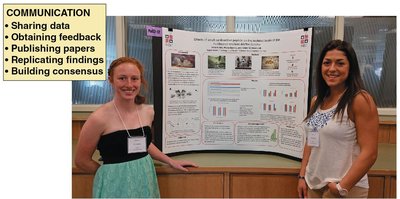
Communication and Peer Review
Scientific findings are communicated through literature, seminars, and publications. Peer review ensures quality control by having impartial experts evaluate research before publication.
Peer review increases the reliability and credibility of scientific papers.
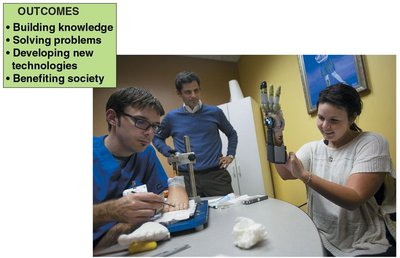
Outcomes of Science
Science leads to the accumulation of knowledge, the development of new technologies, and benefits to society.
Scientific research can solve problems and improve quality of life.
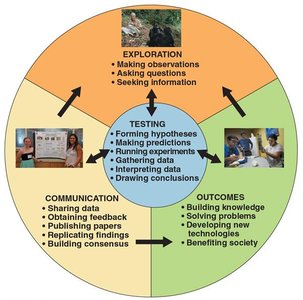
Overview of the Scientific Process
The scientific process is cyclical, involving exploration, testing, communication, and outcomes.
Hypotheses, Theories, and Facts
Definitions and Distinctions
Hypothesis: A testable, falsifiable explanation for a set of observations.
Theory: A comprehensive, well-substantiated explanation supported by a large body of evidence. Theories can generate new hypotheses and are refined as new evidence emerges.
Fact: An objectively true piece of information based on current evidence, distinct from opinions.
Controlled Experiments
Designing Experiments
Controlled experiments compare groups that differ in only one variable. The control group does not receive the experimental factor, while the experimental group does.
Variables: Factors that can change in an experiment.
Independent variable: The factor manipulated by researchers.
Dependent variable: The response measured to judge the outcome.
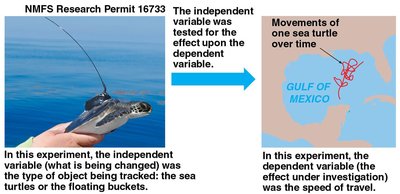
Case Study: Do Baby Turtles Swim?
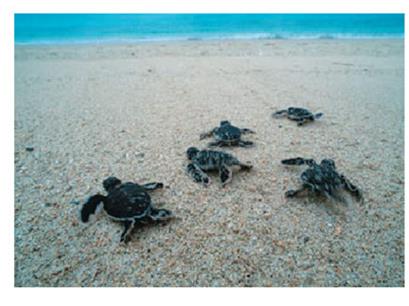
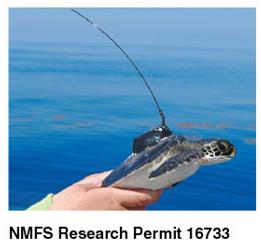
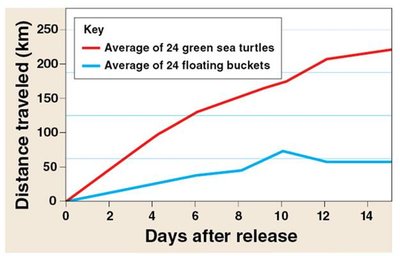
Researchers tested whether juvenile green sea turtles swim or drift by attaching satellite trackers to turtles and comparing their movement to floating buckets.
Turtles moved faster and along different tracks than buckets, indicating active swimming.
Blind and Double-Blind Experiments
Medical trials often use placebos and double-blind designs to eliminate bias. In double-blind studies, neither participants nor experimenters know who receives the treatment or placebo.
Type of Study | Test Subjects Know? | Researchers Know? |
|---|---|---|
Not blind | Yes | Yes |
Single blind | No | Yes |
Double blind | No | No |
Evaluating Scientific Claims
Science vs. Pseudoscience
Pseudoscience is falsely presented as scientific but lacks adherence to the scientific method. Indicators include reliance on anecdotal evidence, untestable claims, and rejection of external review.

Recognizing Reliable Sources
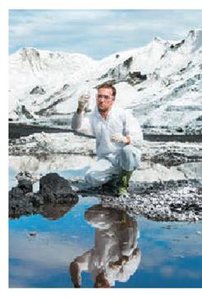
Reliable scientific sources are current, primary, authored by qualified individuals, cite references, and are peer-reviewed. Transparency and reproducibility are key.

The Properties of Life
Characteristics of Living Things
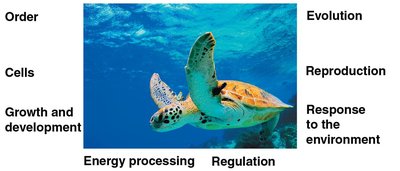
Life is defined by a set of properties that all living organisms share:
Order
Cells
Growth and development
Energy processing
Regulation
Response to the environment
Reproduction
Evolution
Diversity and Unity of Life
Despite the diversity of life, all organisms share these fundamental properties. Biologists use these criteria to search for life beyond Earth.
Major Themes in Biology
1. The Relationship of Structure to Function
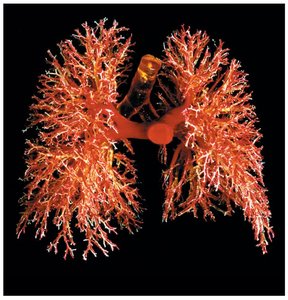
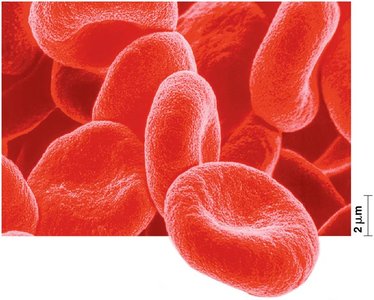
Biological structures are closely related to their functions at all levels, from molecules to organs.
The branched structure of lungs increases surface area for gas exchange.
Red blood cells' shape maximizes oxygen diffusion.
2. Information Flow
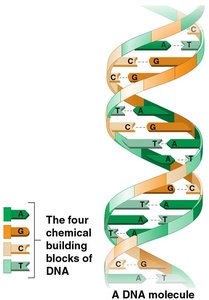
Life depends on the flow of information within and between cells and organisms. Genes, composed of DNA, store and transmit hereditary information.
Cells use DNA's four chemical building blocks (A, G, C, T) to encode genetic information.
Information flow is essential for development, regulation, and response to the environment.
Example: Diabetes and Information Flow
Type 1 diabetes results from a genetic mutation affecting insulin production. Genetically engineered bacteria can produce human insulin for treatment.

3. Pathways That Transform Energy and Matter
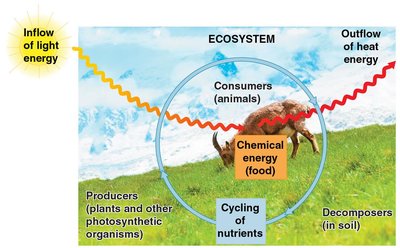
All life processes require energy, primarily from the sun. Energy flows through ecosystems, while matter is recycled.
Producers (plants) capture sunlight and convert it to chemical energy.
Consumers (animals) obtain energy by eating producers or other consumers.
Decomposers recycle nutrients back into the ecosystem.
4. Interactions Within Biological Systems
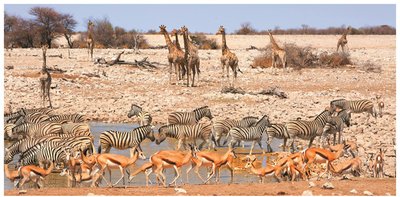
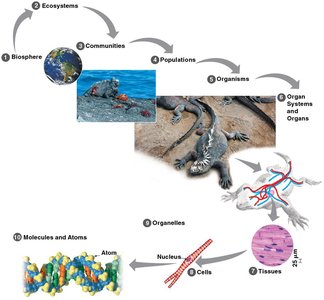
Biological systems are organized at multiple levels, from molecules to the biosphere. Interactions at each level lead to emergent properties not present at lower levels.
5. Evolution
Evolution is the central unifying theme of biology, explaining both the unity and diversity of life. The theory of evolution by natural selection, first articulated by Charles Darwin, describes how species change over time.
Natural selection favors individuals with traits best suited to their environment.
Evolutionary adaptations enhance survival and reproduction.
Comparing DNA sequences reveals evolutionary relationships among species.
Theme | Description |
|---|---|
Structure & Function | Form fits function at all biological levels. |
Information Flow | Genetic and environmental information guides life processes. |
Energy & Matter | Energy flows, matter cycles through ecosystems. |
Interactions | Complex interactions produce emergent properties. |
Evolution | Explains unity and diversity of life. |
*Additional info: The notes above expand on the original slides by providing definitions, context, and examples for each major concept, ensuring a self-contained and comprehensive study guide for introductory biology students.*
