 Back
Chapter 15: The Chromosomal Basis of Inheritance – Study Notes
Study Guide - Smart Notes
 Tailored notes based on your materials, expanded with key definitions, examples, and context.
The Chromosomal Basis of Inheritance
Introduction
The chromosomal theory of inheritance connects Mendel’s principles of heredity to the physical behavior of chromosomes during cell division. This chapter explores how genes are located on chromosomes, how sex-linked traits are inherited, and how chromosomal alterations can lead to genetic disorders.
15.1 Mendelian Inheritance Has Its Physical Basis in the Behavior of Chromosomes
Genes and Chromosomes
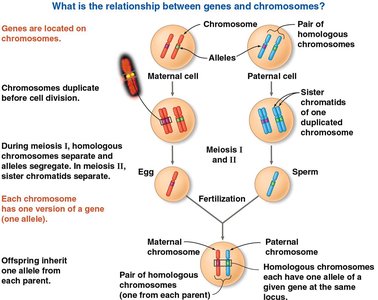
Genes are segments of DNA located on chromosomes, which are the structures that carry genetic information in cells. Chromosomes duplicate before cell division, and during meiosis, homologous chromosomes separate, ensuring each gamete receives one chromosome from each pair.
Alleles: Different versions of a gene found at the same locus on homologous chromosomes.
Homologous Chromosomes: Chromosome pairs, one from each parent, carrying the same genes but possibly different alleles.
Inheritance: Offspring inherit one allele for each gene from each parent.
Morgan’s Experimental Organism: Drosophila melanogaster
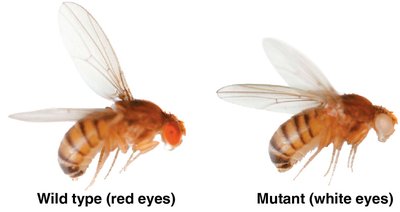
Thomas Hunt Morgan used the fruit fly Drosophila melanogaster for genetic studies due to its short generation time, ease of breeding, and simple chromosome structure.
Wild-type phenotype: The most common phenotype in a population (e.g., red eyes in fruit flies).
Mutant phenotype: Traits that differ from the wild type (e.g., white eyes).
Scientific Inquiry: Correlating Gene and Chromosome Behavior
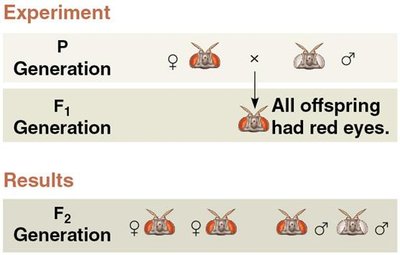
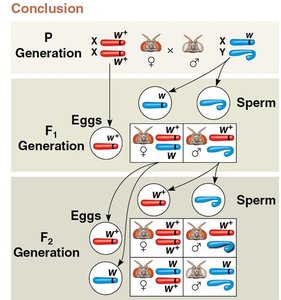
Morgan’s experiments demonstrated that the inheritance of certain traits (such as eye color in fruit flies) is linked to specific chromosomes. He observed a 3:1 ratio in the F2 generation, but only males had the mutant (white-eyed) phenotype, suggesting the gene was located on the X chromosome.
F1 Generation: All offspring had red eyes.
F2 Generation: 3:1 ratio of red to white eyes, with white eyes only in males.
15.2 Sex-Linked Genes Exhibit Unique Patterns of Inheritance
Chromosomal Basis of Sex
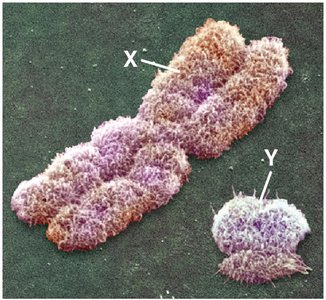
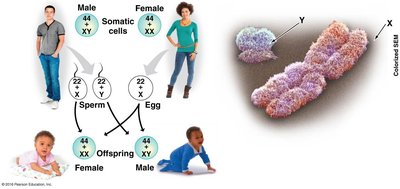
Sex determination in humans and other mammals is based on the presence of X and Y chromosomes. Females have two X chromosomes (XX), while males have one X and one Y (XY).
X Chromosome: Larger, contains many genes.
Y Chromosome: Smaller, contains genes responsible for male development (e.g., SRY gene).
Inheritance of X-Linked Genes
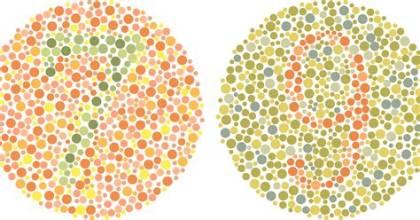
X-linked genes follow specific inheritance patterns. For a recessive X-linked trait to be expressed, females must have two copies of the allele, while males need only one.
Hemizygous: Males are hemizygous for X-linked genes (only one X chromosome).
X-linked recessive disorders: More common in males (e.g., color blindness).
X Chromosome Inactivation in Female Mammals
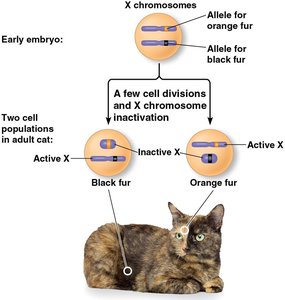
In female mammals, one X chromosome in each cell is randomly inactivated during embryonic development, forming a Barr body. Heterozygous females for X-linked genes can show mosaic phenotypes.
Barr body: Inactive X chromosome in female cells.
Mosaic phenotype: Different cell populations express different alleles.
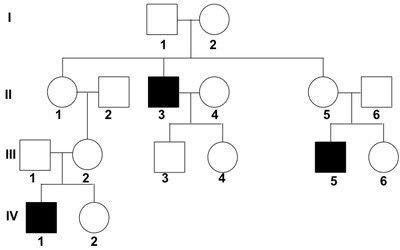
Pedigree Analysis of Sex-Linked Traits
Pedigrees are used to track inheritance patterns of X-linked and Y-linked traits across generations.
X-linked recessive: Often skips generations, more common in males.
Y-linked: Passed from father to son only.
15.3 Linked Genes Tend to Be Inherited Together
Genetic Linkage
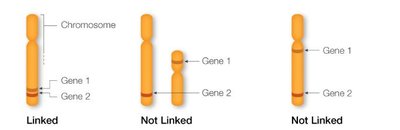
Genes located close together on the same chromosome tend to be inherited together and are called linked genes. Linked genes do not assort independently during meiosis.
Linked genes: Genes on the same chromosome that are inherited together.
Independent assortment: Applies to genes on different chromosomes or far apart on the same chromosome.
How Linkage Affects Inheritance
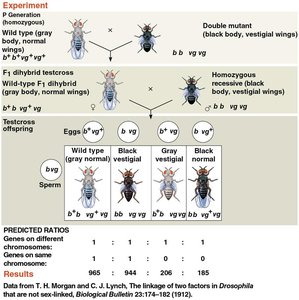
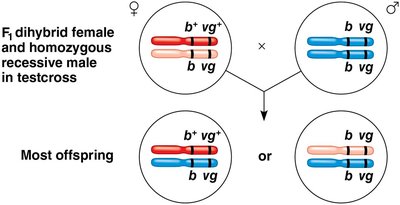
Morgan’s experiments with fruit flies showed that linked genes produce offspring with parental phenotypes more frequently than expected by independent assortment. However, some nonparental phenotypes are produced due to genetic recombination.
Genetic recombination: Production of offspring with combinations of traits different from either parent.
Testcross: Used to reveal linkage and recombination frequencies.
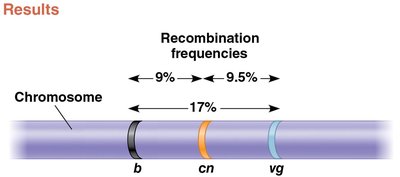
Mapping the Distance Between Genes Using Recombination Data
The frequency of recombination between two genes is proportional to their distance apart on a chromosome. This allows geneticists to construct linkage maps.
Map unit (centimorgan): One map unit equals a 1% recombination frequency.
Genes far apart: Recombination frequency approaches 50%, behaving as if on different chromosomes.
Summary Table: Types of Chromosomal Alterations and Associated Disorders
Alteration Type | Description | Example Disorder |
|---|---|---|
Deletion | Loss of a chromosome segment | Cri du chat syndrome |
Duplication | Repeat of a chromosome segment | Charcot-Marie-Tooth disease |
Inversion | Reversal of a segment within a chromosome | Some cases of acute myeloid leukemia |
Translocation | Segment moves to another chromosome | Burkitt lymphoma |
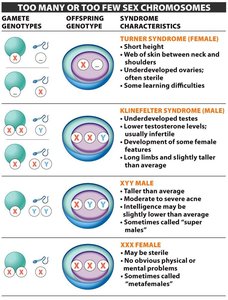
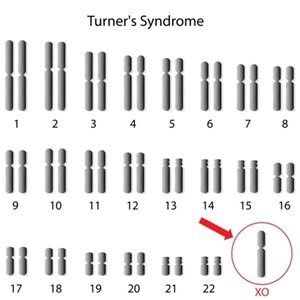
Summary Table: Syndromes Associated with Abnormal Sex Chromosome Number
Syndrome | Genotype | Characteristics |
|---|---|---|
Turner Syndrome | XO | Short stature, webbed neck, underdeveloped ovaries, learning difficulties |
Klinefelter Syndrome | XXY | Underdeveloped testes, infertility, mild cognitive impairment |
XYY | XYY | Taller than average, mild learning difficulties |
Triple X Syndrome | XXX | Normal fertility, mild developmental delays |
Key Equations and Concepts
Recombination Frequency:
Map Unit:
Conclusion
The chromosomal basis of inheritance explains how genes are transmitted from parents to offspring, how sex-linked traits are inherited, and how chromosomal alterations can lead to genetic disorders. Understanding these principles is fundamental to genetics and modern biology.
