 Back
BackChapter 17: Reproductive Systems – Structure, Function, and Health
Study Guide - Smart Notes
 Tailored notes based on your materials, expanded with key definitions, examples, and context.
Reproductive Systems
Gonads: Structure and Function
The gonads are the primary reproductive organs in males and females, responsible for producing gametes and sex hormones. In males, the testes produce sperm and testosterone, while in females, the ovaries produce eggs, estrogen, and progesterone.
Gamete Production: Eggs and sperm are haploid cells (23 chromosomes) that fuse to form a diploid zygote (46 chromosomes).
Hormone Production: Sex hormones regulate reproductive function and secondary sex characteristics.
Genetic Contribution: Both sexes contribute equally to offspring genetics.
Male Reproductive System
Structure and Function
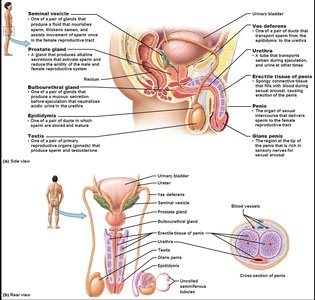
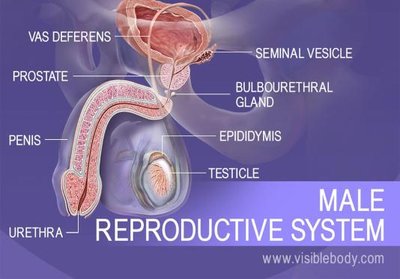
The male reproductive system consists of the testes, duct system, accessory glands, and penis. Each component plays a specific role in sperm production, maturation, and delivery.
Testes: Produce sperm and testosterone; held in the scrotum for temperature regulation.
Duct System: Includes epididymis (sperm maturation/storage), vas deferens (sperm transport), and urethra (sperm/urine exit).
Accessory Glands: Prostate gland (alkaline secretions), seminal vesicles (nourish sperm), bulbourethral glands (lubrication).
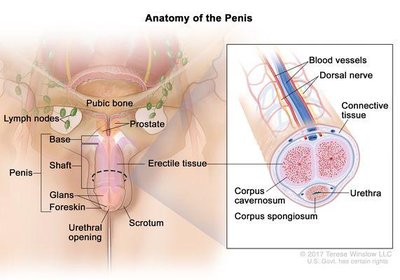
Penis: Delivers sperm; contains erectile tissue and glans penis.
Testes and Sperm Development
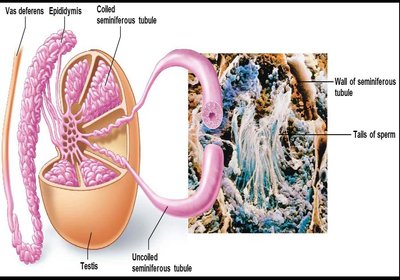
Sperm develop in the seminiferous tubules of the testes after puberty. Interstitial cells produce androgens, including testosterone. Testicular cancer is most common in men aged 15–35 and has a high cure rate if detected early.
Duct System
The duct system is essential for sperm maturation and transport. The epididymis receives sperm from the seminiferous tubules, the vas deferens conducts sperm to the urethra, and the urethra serves as the exit for both urine and sperm.
Accessory Glands
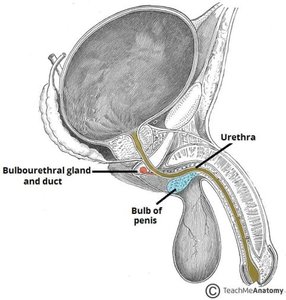
Accessory glands contribute to semen formation and sperm viability:
Prostate Gland: Produces alkaline secretions to activate sperm and reduce acidity.
Seminal Vesicles: Nourish sperm (fructose), thicken semen, and assist sperm movement (prostaglandins).
Bulbourethral Glands: Release lubricating fluid before ejaculation.
Penis Anatomy
The penis contains three columns of spongy erectile tissue that fill with blood during an erection. The glans penis is the sensitive tip, often covered by foreskin.
Spermatogenesis
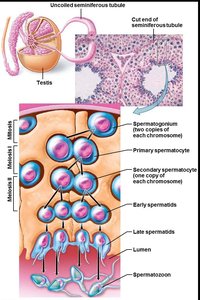
Spermatogenesis is the process of sperm development, reducing chromosome number and changing cell shape for fertilization. It occurs in the seminiferous tubules and involves several stages:
Spermatogonia: Undifferentiated diploid cells.
Primary Spermatocyte: Undergoes meiosis I.
Secondary Spermatocyte: After meiosis I.
Spermatids: After meiosis II; haploid.
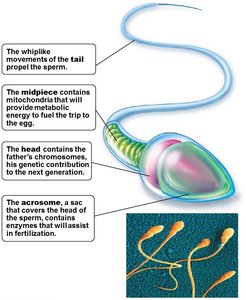
Spermatozoa: Mature sperm with head, midpiece, and tail.
Hormonal Regulation of Male Reproduction
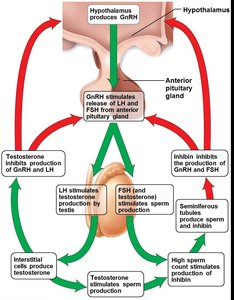
Testosterone, produced by interstitial cells, is crucial for sperm production and secondary sex characteristics. Hormone production is regulated by negative feedback loops involving GnRH, LH, FSH, and inhibin.
GnRH: Released by hypothalamus; stimulates LH and FSH release.
LH: Stimulates testosterone production.
FSH: Enhances sperm formation.
Inhibin: Inhibits FSH and GnRH, reducing sperm and testosterone production.
Female Reproductive System
Structure and Function
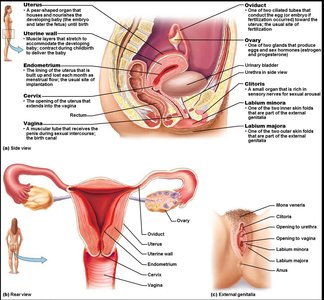
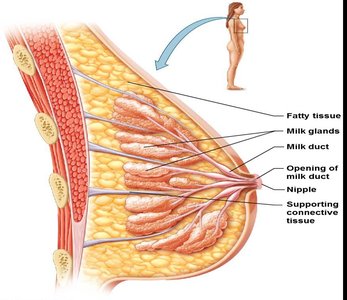
The female reproductive system includes the ovaries, oviducts, uterus, vagina, external genitalia, and breasts. Each structure has a distinct function in egg production, fertilization, and nurturing offspring.
Ovaries: Produce eggs and hormones.
Oviducts: Transport eggs; site of fertilization.
Uterus: Receives and nourishes embryo.
Vagina: Receives penis; birth canal.
External Genitalia: Vulva, labia majora/minora, clitoris.
Breasts: Mammary glands produce milk.
Ovarian Cycle
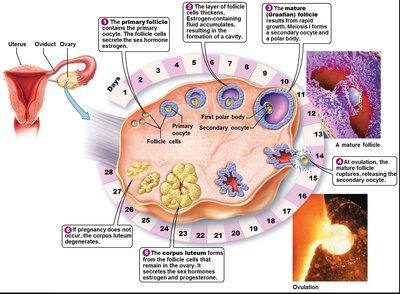
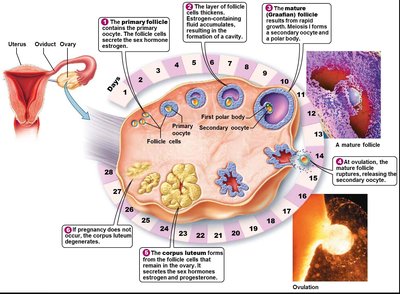
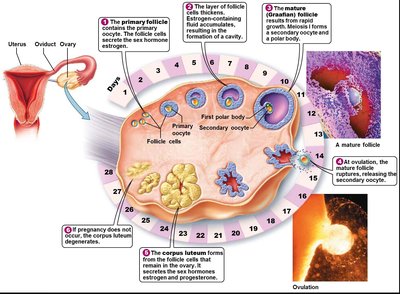
The ovarian cycle is a monthly process leading to egg release. Primary oocytes form before birth and remain dormant until puberty. Each month, one follicle matures, ovulation occurs, and the corpus luteum forms.
Follicle Maturation: Primary follicle matures; meiosis I forms secondary oocyte.
Ovulation: Secondary oocyte released; meiosis II completes if fertilization occurs.
Corpus Luteum: Secretes estrogen and progesterone; degenerates if no pregnancy.
Uterine (Menstrual) Cycle
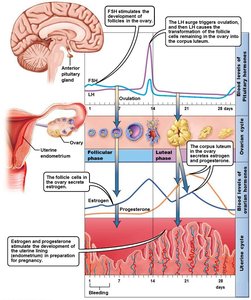
The uterine cycle prepares the uterus for embryo implantation. If fertilization does not occur, the endometrium is shed as menstrual flow. Hormones from the corpus luteum maintain the endometrium if pregnancy occurs.
Hormonal Regulation of Female Reproduction
Female fertility is controlled by hormones from the anterior pituitary gland and ovary:
FSH: Stimulates follicle development.
LH: Triggers ovulation and corpus luteum formation.
Estrogen: Develops endometrium and reproductive structures.
Progesterone: Maintains endometrium.
Menopause and Health Issues
Menopause is the cessation of ovulation and menstruation, typically between ages 45–55. It is associated with decreased estrogen and various physiological effects, including increased risk of cardiovascular disease and osteoporosis.
Premenstrual Syndrome (PMS) and Menstrual Cramps
PMS symptoms include depression, irritability, and fatigue, possibly due to progesterone deficiency. Menstrual cramps are caused by prostaglandins, which induce uterine muscle contractions.
Endometriosis and Breast Cancer
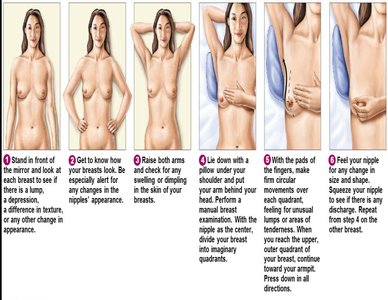
Endometriosis involves growth of endometrial tissue outside the uterus, causing pain. Breast cancer risk factors include increased estrogen exposure; detection methods include self-exam and mammograms.
Sexual Response and Birth Control
Sexual Response Cycle
Sexual arousal and intercourse involve vasocongestion (blood flow) and myotonia (muscle contractions). The cycle includes excitement, plateau, orgasm, and resolution.
Birth Control Methods
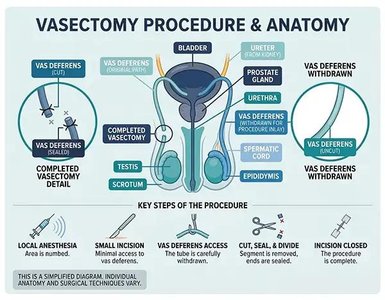
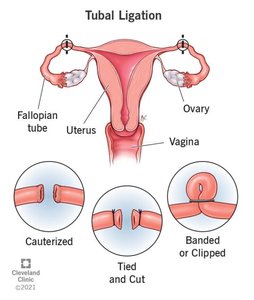
Birth control prevents pregnancy and may reduce STD risk. Methods include abstinence, sterilization (vasectomy, tubal ligation), hormonal contraception, intrauterine devices, barrier methods, spermicides, fertility awareness, and morning-after pills.
Sexually Transmitted Diseases and Infections (STDs/STIs)
Overview
STDs are diseases resulting from STIs, which may be asymptomatic. Common STDs include chlamydia, gonorrhea, syphilis, genital herpes, genital warts (HPV), and HIV/AIDS.
Bacterial STDs
Chlamydia: Caused by Chlamydia trachomatis; may cause sterility and ectopic pregnancy; treated with antibiotics.
Gonorrhea: Caused by Neisseria gonorrhoeae; similar symptoms to chlamydia; some strains are drug-resistant.
Syphilis: Caused by Treponema pallidum; progresses through chancre, rash, and gummas; treated with antibiotics.
Viral STDs
Genital Herpes: Caused by HSV-1 and HSV-2; symptoms managed with antiviral drugs.
HPV and Genital Warts: Caused by human papillomaviruses; some strains cause cancer; vaccine available.
HIV/AIDS: Caused by human immunodeficiency virus; targets helper T cells; managed with antiviral drugs.
HIV/AIDS Progression
HIV infection progresses through initial infection, asymptomatic stage, disease symptoms, immune failure, and AIDS. Diagnosis is based on helper T cell count and opportunistic infections.
Table: Symptoms, Causative Organisms, and Treatments of Common STDs
STD | Symptoms | Causative Organism | Treatment |
|---|---|---|---|
Chlamydia | Burning urination, pelvic pain, abnormal discharge | Chlamydia trachomatis | Antibiotics |
Gonorrhea | Burning urination, discharge, pelvic pain | Neisseria gonorrhoeae | Antibiotics (some strains resistant) |
Syphilis | Chancre, rash, gummas | Treponema pallidum | Antibiotics |
Genital Herpes | Blisters, ulcers, fever, muscle aches | HSV-1, HSV-2 | Antiviral drugs (symptom management) |
Genital Warts (HPV) | Warts, precancerous cells | Human papillomavirus | Cell removal, vaccine |
HIV/AIDS | Immune failure, opportunistic infections | Human immunodeficiency virus | Antiviral drugs (no cure) |
Key Equations
Meiosis Chromosome Reduction:
Negative Feedback Regulation:
Hormonal Control of Ovarian Cycle:
Additional info: Academic context and explanations were expanded for clarity and completeness.
