 Back
BackChapter 19: Descent with Modification – Evidence for Evolution
Study Guide - Smart Notes
 Tailored notes based on your materials, expanded with key definitions, examples, and context.
Descent with Modification: Evidence for Evolution
Introduction to Evolutionary Theory
Evolution is the process by which species change over time, resulting in the diversity of life observed today. The theory of evolution is supported by evidence from multiple scientific disciplines, including direct observation, homology, the fossil record, and biogeography. Understanding these lines of evidence helps explain how populations evolve and adapt to their environments.
Key Concepts in Evolution
Evolution is defined as change in the genetic composition of a population over generations.
Natural selection is a primary mechanism of evolution, involving:
Overproduction of offspring, leading to competition for resources.
Heritable variation within populations.
Differential reproductive success based on inherited traits.
Populations, not individuals, evolve over time.
Key factors in evolution include adaptations, variation, time, reproductive success, and heritability.
Evidence for Evolution
Direct Observations of Evolutionary Change
Direct observations provide real-time evidence of evolutionary processes. These examples demonstrate how populations can change in response to environmental pressures.
Insect resistance to pesticides (e.g., DDT resistance in mosquitoes).
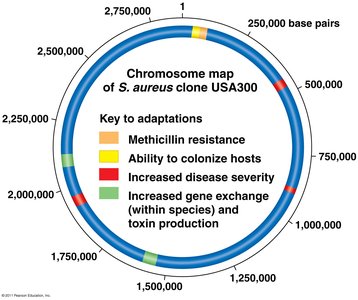
Antibiotic-resistant bacteria (e.g., MRSA – Methicillin-resistant Staphylococcus aureus).
Peppered moths (Biston betularia): color morphs shifted in response to industrial pollution.
Homology
Homology refers to similarities among organisms due to shared ancestry. These similarities can be anatomical, embryological, or molecular.
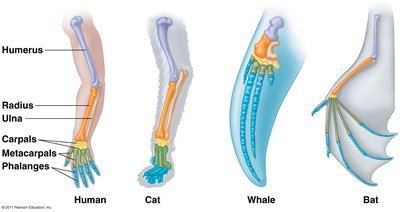
Homologous structures: Anatomical features with similar structures but different functions, inherited from a common ancestor (e.g., forelimbs of humans, cats, whales, and bats).
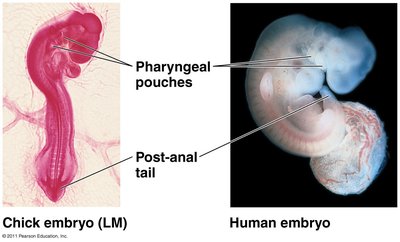
Embryonic homologies: Similarities in early developmental stages among vertebrates (e.g., pharyngeal pouches and post-anal tails).
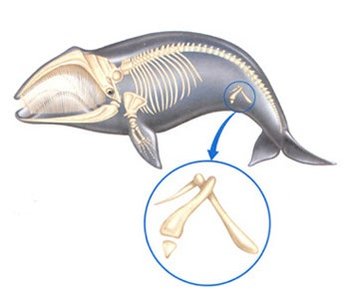
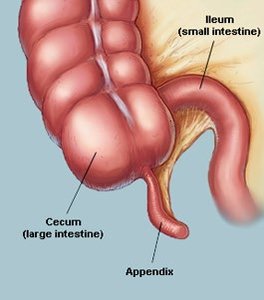
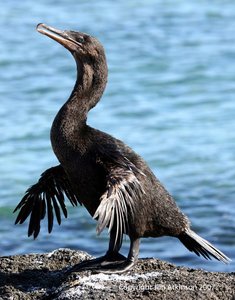
Vestigial structures: Remnants of features that served important functions in ancestors but are reduced or nonfunctional in descendants (e.g., human appendix, wings of flightless birds).
Molecular homologies: Similarities in DNA and amino acid sequences among different species, reflecting common ancestry.
Analogous Structures and Convergent Evolution
Analogous structures arise when distantly related species independently evolve similar traits as adaptations to similar environments, a process known as convergent evolution. These structures have similar functions but do not share a common ancestral origin.
Example: The streamlined body shapes of sharks (fish), penguins (birds), and dolphins (mammals).
The Fossil Record
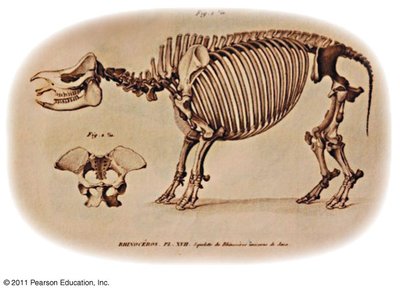
The fossil record provides chronological evidence of evolutionary change, documenting the appearance, modification, and extinction of species over time. Fossils are typically found in sedimentary rock layers and are studied by paleontologists.
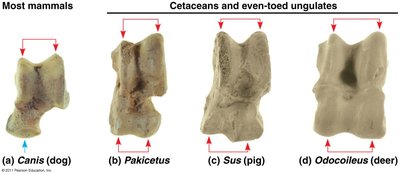
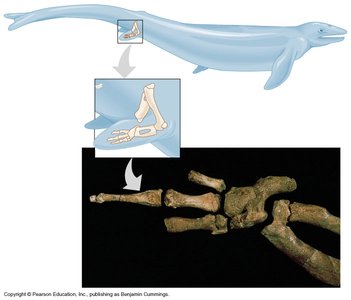
Shows transitions between major groups (e.g., fish to amphibians, reptiles to birds).
Reveals transitional forms that link modern species to their ancestors.
Demonstrates the progression from simple prokaryotic life to complex eukaryotes and multicellular organisms.
Biogeography
Biogeography is the study of the geographic distribution of species. Patterns of distribution provide evidence for evolution, especially when considering continental drift and the formation of unique, endemic species on islands.
Species in nearby geographic areas are often more closely related than those in distant areas.
Continental drift (e.g., Pangaea) explains similarities among species on different continents.
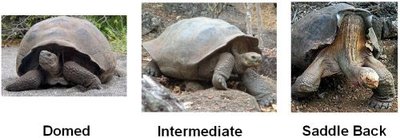
Endemic species are found only in specific locations (e.g., marine iguanas and Galapagos tortoises).
Evolutionary Trees
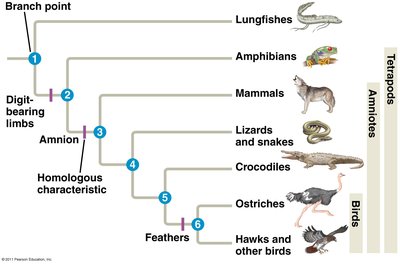
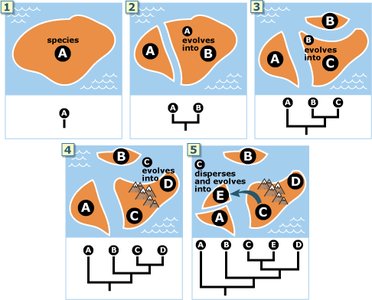
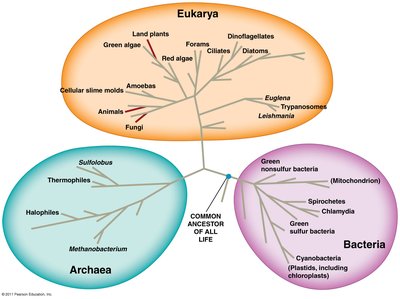
Evolutionary trees (phylogenies) illustrate the relationships among species, showing patterns of descent from common ancestors. These diagrams are constructed using morphological, molecular, and fossil data.
Branch points represent common ancestors.
Shared derived characteristics help define evolutionary relationships.
Summary Table: Types of Evidence for Evolution
Type of Evidence | Description | Example |
|---|---|---|
Direct Observation | Real-time changes in populations | Antibiotic resistance in bacteria, peppered moths |
Homology | Similar structures due to shared ancestry | Forelimbs of vertebrates, embryonic similarities |
Fossil Record | Chronological evidence of evolutionary change | Transitional fossils, progression from fish to mammals |
Biogeography | Geographic distribution of species | Endemic species on islands, continental drift patterns |
Conclusion
The evidence for evolution is robust and multifaceted, integrating observations from direct experimentation, comparative anatomy, molecular biology, paleontology, and biogeography. Together, these lines of evidence support the concept of descent with modification and the ongoing process of natural selection shaping the diversity of life on Earth.
