 Back
Chapter 2: The Chemical Basis of Life – Study Notes
Study Guide - Smart Notes
 Tailored notes based on your materials, expanded with key definitions, examples, and context.
Chapter 2: The Chemical Basis of Life
Introduction to Chemistry in Biology
Understanding the chemical basis of life is essential for studying biology. All living organisms are composed of chemical elements, and their interactions underpin biological processes. Life’s chemistry is closely tied to water, as cells are primarily composed of water and most biochemical reactions occur in aqueous environments.
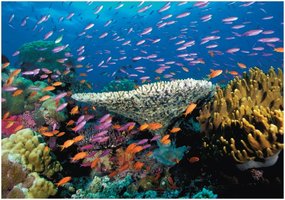
The Nature of Matter
Matter: Anything that occupies space and has mass.
Element: A substance that cannot be broken down into other substances by chemical reactions.
About 25 elements are essential for life, with four elements (carbon, hydrogen, oxygen, nitrogen) making up 96% of living matter.
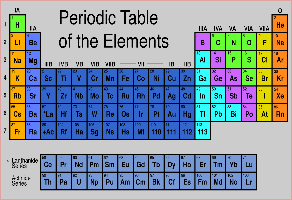
Elements Essential to Life
Major elements: Carbon (C), Hydrogen (H), Oxygen (O), Nitrogen (N)
Other important elements: Phosphorus (P), Calcium (Ca), Sulfur (S), Potassium (K), Sodium (Na), Chlorine (Cl), Magnesium (Mg)
Trace elements: Required in minute quantities (e.g., Iron, Iodine, Fluorine)
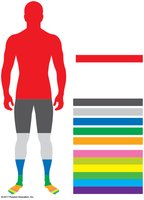
Trace Elements and Health
Iron (Fe): Needed for oxygen transport; deficiency causes anemia.
Iodine (I): Required for thyroid hormone production; deficiency causes goiter.
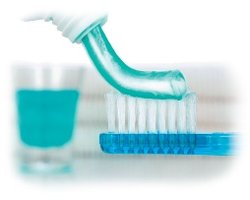
Fluorine (F): Maintains dental health; deficiency leads to tooth decay.


Atoms: Structure and Properties
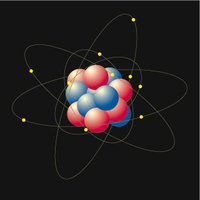
An atom is the smallest unit of an element that retains its properties. Atoms consist of a nucleus (protons and neutrons) and electrons orbiting in shells.
Protons: Positively charged, in the nucleus
Neutrons: Neutral, in the nucleus
Electrons: Negatively charged, orbit the nucleus
Atomic number: Number of protons (also equals number of electrons in a neutral atom)
Mass number: Sum of protons and neutrons
Atomic mass: Approximate total mass of an atom
Isotopes
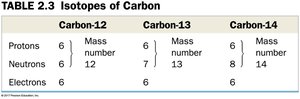
Isotopes are atoms of the same element with different numbers of neutrons. Some isotopes are radioactive and can be used as tracers in biological research and medicine.
Carbon-12 | Carbon-13 | Carbon-14 | |
|---|---|---|---|
Protons | 6 | 6 | 6 |
Neutrons | 6 | 7 | 8 |
Electrons | 6 | 6 | 6 |
Mass number | 12 | 13 | 14 |
Applications and Dangers of Radioactive Isotopes
Used as tracers in metabolic research (e.g., tracing photosynthesis with 14C)
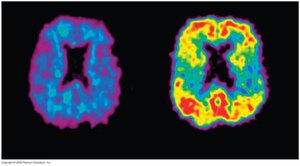
Medical imaging (e.g., PET scans for cancer and brain research)
Uncontrolled exposure can damage DNA and other molecules
Electron Configuration and Chemical Properties
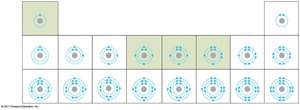
The arrangement of electrons in shells determines an atom’s chemical behavior. Atoms are most stable when their outermost shell (valence shell) is full.
First shell: 2 electrons
Second shell: 8 electrons
Third shell: 18 electrons
Noble Gases
Noble gases (e.g., helium, neon, argon) have full outer shells and are chemically inert (non-reactive).

Chemical Bonds
Atoms form chemical bonds to achieve stability. The main types of bonds in biology are ionic, covalent, and hydrogen bonds.
Ionic bonds: Formed by the transfer of electrons, creating ions (e.g., NaCl)
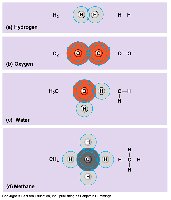
Covalent bonds: Formed by sharing electrons (e.g., H2O)
Hydrogen bonds: Weak attractions between polar molecules, especially important in water and biological macromolecules
Polar and Nonpolar Covalent Bonds
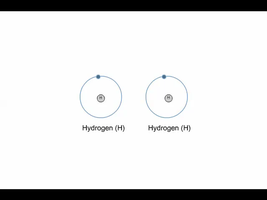
Nonpolar covalent bonds: Electrons are shared equally (e.g., O2)
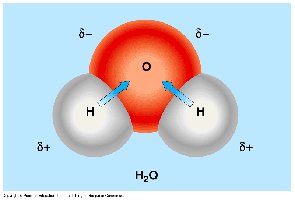
Polar covalent bonds: Electrons are shared unequally, creating partial charges (e.g., H2O)
Chemical Reactions
Chemical reactions involve the making and breaking of chemical bonds, converting reactants into products. Matter is neither created nor destroyed in these reactions, only rearranged.
Properties of Water
Life-Supporting Properties of Water
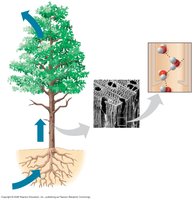
Cohesion: Water molecules stick to each other due to hydrogen bonding.
Adhesion: Water molecules stick to other substances.
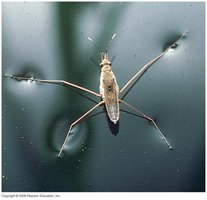
Surface tension: Cohesion at the surface creates a "skin" on water.
High specific heat: Water resists temperature changes, helping organisms maintain stable internal conditions.
Evaporative cooling: As water evaporates, it removes heat, cooling surfaces (e.g., sweating).
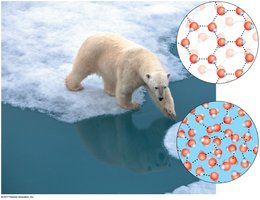
Ice is less dense than liquid water: Ice floats, insulating aquatic life in winter.
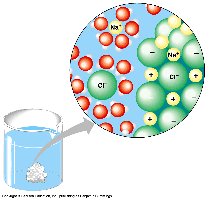
Water as a solvent: Water dissolves many substances, making it the solvent of life.

Hydrophilic and Hydrophobic Substances
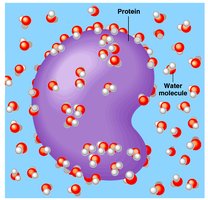
Hydrophilic: Substances that dissolve in water (polar or ionic)
Hydrophobic: Substances that do not dissolve in water (nonpolar)
Acids, Bases, and the pH Scale
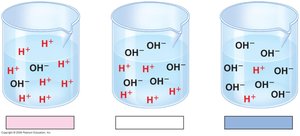
Acid: Substance that increases H+ concentration in solution
Base: Substance that decreases H+ concentration (often by increasing OH–)
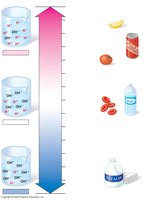
pH scale: Measures acidity/alkalinity (0 = most acidic, 14 = most basic, 7 = neutral)
Each pH unit represents a tenfold change in H+ concentration
Buffers: Substances that minimize changes in pH, crucial for homeostasis
Environmental Impact: Acid Precipitation and Ocean Acidification
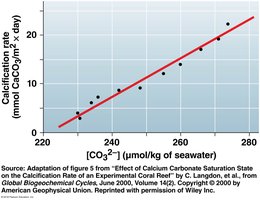
Burning fossil fuels releases CO2 and other pollutants, leading to acid precipitation and ocean acidification. Increased CO2 in oceans lowers pH, reducing carbonate ions needed by corals and shell-building organisms, threatening marine ecosystems.
The Search for Extraterrestrial Life
The presence of water is a key factor in the search for life beyond Earth, as water’s unique properties are essential for supporting life as we know it.
Summary Table: Types of Chemical Bonds
Bond Type | Description | Example |
|---|---|---|
Ionic | Transfer of electrons; attraction between oppositely charged ions | NaCl (table salt) |
Covalent | Sharing of electrons between atoms | H2O (water) |
Hydrogen | Weak attraction between polar molecules | Between water molecules |
Additional info: This guide expands on the original notes with definitions, examples, and academic context to ensure a comprehensive understanding of the chemical basis of life for biology students.
