 Back
Chapter 2: The Chemistry of Life – Structured Study Notes
Study Guide - Smart Notes
 Tailored notes based on your materials, expanded with key definitions, examples, and context.
The Chemistry of Life
Introduction to Chemistry in Biology
Biology is fundamentally linked to chemistry and physics, as living organisms are composed of matter governed by chemical laws. Understanding the chemical composition and reactions of biological molecules is essential for predicting and explaining complex biological phenomena.
Matter: Anything that occupies space and has mass; exists as gas, liquid, or solid.
Chemistry: The scientific study of matter and its interactions.
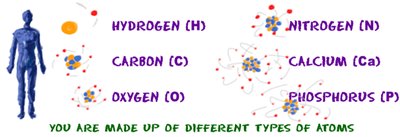
Atoms and Elements
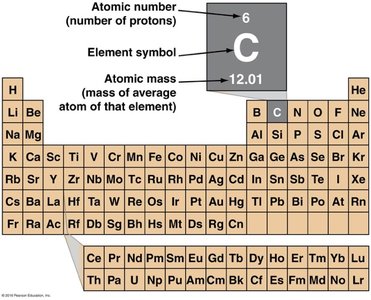
Atoms are the smallest units of matter that retain the properties of an element. Elements are pure substances that cannot be broken down by chemical reactions. Living organisms are primarily composed of a limited number of elements, including hydrogen, carbon, oxygen, nitrogen, calcium, and phosphorus.
Atom: Smallest unit of an element, composed of subatomic particles.
Element: Pure substance; cannot be broken down further.
Compound: Substance containing two or more elements in a fixed ratio (e.g., H2O, CO2).
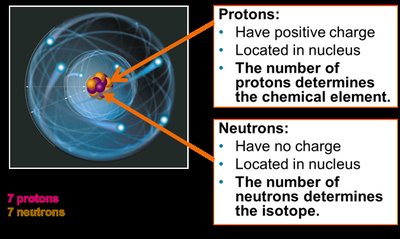
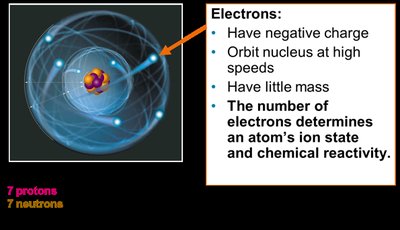
Subatomic Particles
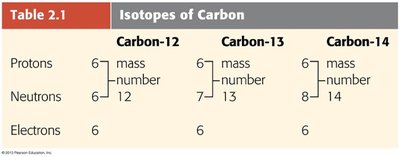
Atoms consist of protons, neutrons, and electrons. The number of protons determines the element, while the number of neutrons determines the isotope. Electrons influence the atom's ion state and chemical reactivity.
Protons: Positive charge, located in nucleus.
Neutrons: No charge, located in nucleus.
Electrons: Negative charge, orbit nucleus, little mass.
Ions and Isotopes
When atoms gain or lose electrons, they become ions (charged atoms). Isotopes are variations of an element with different numbers of neutrons.
Ion: Atom with a net electrical charge due to loss/gain of electrons.
Isotope: Atom with same number of protons but different number of neutrons.
Chemical Bonds
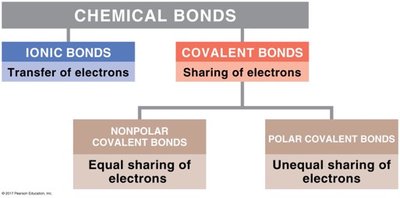
Atoms are held together by chemical bonds, which are essential for forming molecules and compounds. The main types of chemical bonds are ionic and covalent bonds.
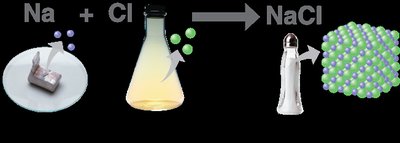
Ionic Bonds: Transfer of electrons from one atom to another, resulting in charged ions.
Covalent Bonds: Sharing of electrons between atoms.
Nonpolar Covalent Bonds: Equal sharing of electrons.
Polar Covalent Bonds: Unequal sharing of electrons.
Chemical Reactions
Chemical reactions transform reactants into products, constantly changing the composition of living matter. Chemical equations are written with reactants on the left and products on the right.
Reactants: Starting substances in a chemical reaction.
Products: Substances formed as a result of the reaction.
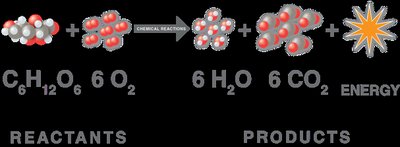
Example: Cellular respiration:
Organic Molecules and Water
Carbon and Organic Compounds
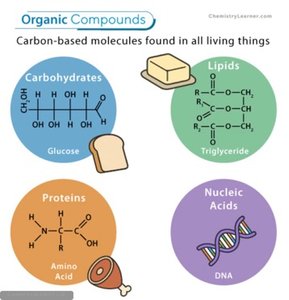
Carbon atoms can form large, branched, and diverse molecules. Most biological molecules (except water) are organic compounds, which contain carbon bonded to other elements.
Organic Compound: Molecule containing carbon, often bonded to hydrogen, oxygen, or nitrogen.
Properties of Water
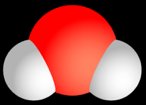
Water is essential for life due to its unique properties, which arise from its polarity and hydrogen bonding. Water supports life through cohesion, temperature moderation, ice floating, and its versatility as a solvent.
Polarity: Water molecules have a partial positive and negative charge, leading to hydrogen bonding.
Cohesion: Water molecules stick together.
Temperature Moderation: Water absorbs and releases heat slowly.
Ice Floating: Ice is less dense than liquid water.
Solvent: Water dissolves many substances, making it the "solvent of life."
Solutions and pH
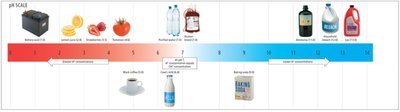
A solution is a homogeneous mixture of two or more substances. The pH scale measures the acidity or basicity of a solution, ranging from 0 (acidic) to 14 (basic). Most biological fluids have a pH between 6 and 8.
Solvent: The dissolving agent (usually water).
Solute: The substance dissolved.
pH Scale: Indicates concentration of hydrogen ions;
Macromolecules
Overview of Macromolecules
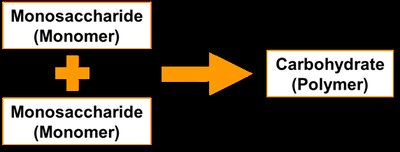
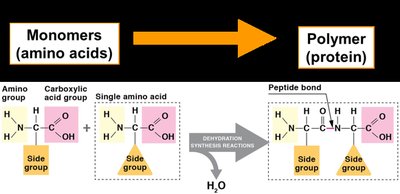
Macromolecules are large, complex molecules essential for life. Most are polymers, formed by joining smaller units called monomers. The four main types are carbohydrates, proteins, lipids, and nucleic acids.
Polymer: Large molecule made of repeating monomers.
Monomer: Small molecule that can join to form polymers.
Carbohydrates
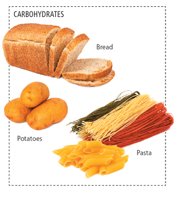
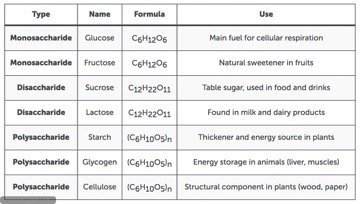
Carbohydrates are a primary source of energy for animals and serve as structural components in plants. They are composed of carbon skeletons and hydroxyl groups, and can interact with other macromolecules to form glycoproteins or glycolipids.
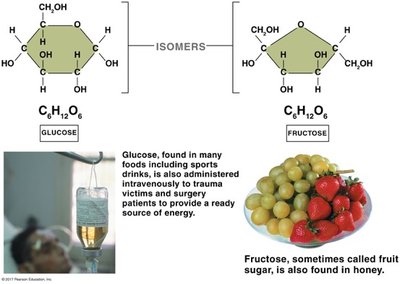
Monosaccharides: Simple sugars (e.g., glucose, fructose).
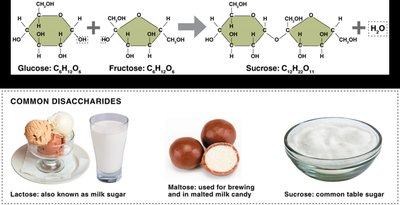
Disaccharides: Two monosaccharides joined together (e.g., sucrose, lactose).
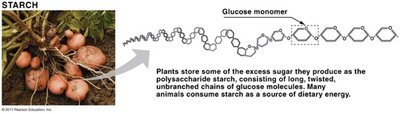
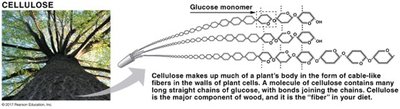
Polysaccharides: Long chains of monosaccharides (e.g., starch, glycogen, cellulose).
Lipids
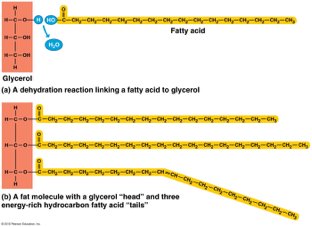
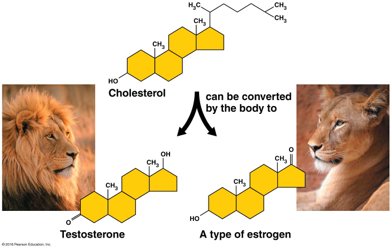
Lipids are hydrophobic molecules that perform essential functions, including energy storage, membrane structure, and hormone regulation. Types of lipids include triglycerides, phospholipids, cholesterol, and steroid hormones.
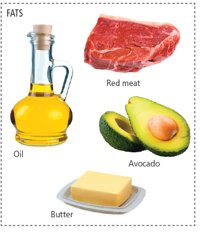
Triglycerides: Main form of fat storage.
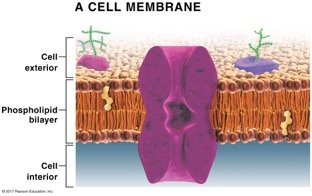
Phospholipids: Major component of cell membranes.
Cholesterol: Used to synthesize steroid hormones.
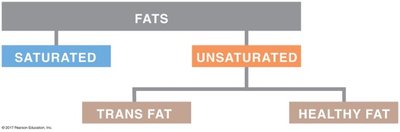
Saturated Fats: All single bonds, solid at room temperature, less healthy.
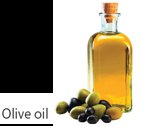
Unsaturated Fats: Double bonds, liquid at room temperature, healthier.
Proteins
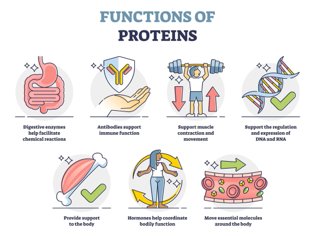
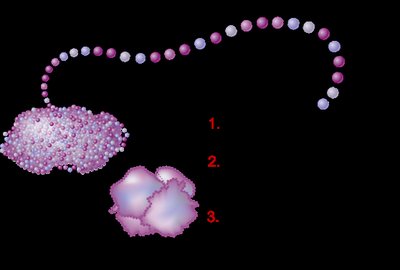
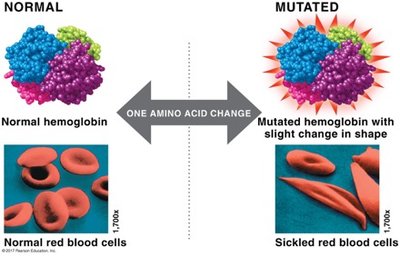
Proteins are the most diverse macromolecules, with unique structures and functions. They are polymers of amino acids, joined by peptide bonds. Protein function depends on the precise sequence and shape of amino acids.
Amino Acids: Building blocks of proteins; 20 types.
Peptide Bond: Covalent bond joining amino acids.
Polypeptide: Long chain of amino acids.
Enzymes: Proteins that speed up chemical reactions.
Metabolism: Sum of all chemical reactions in an organism.
Additional info:
Proteins can be denatured by changes in temperature or pH, losing their function.
Enzymes are highly specific to their substrates.
