 Back
Chapter 25: The History of Life on Earth – Evolutionary Patterns, Fossils, and Major Transitions
Study Guide - Smart Notes
 Tailored notes based on your materials, expanded with key definitions, examples, and context.
History of Life on Earth
Introduction to Macroevolution
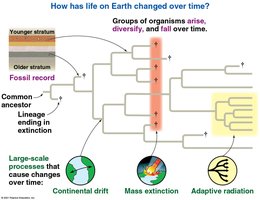
The history of life on Earth is marked by major evolutionary events and broad patterns of change above the species level, known as macroevolution. These changes include the origin of new groups of organisms, mass extinctions, and adaptive radiations. The fossil record provides evidence for the rise, diversification, and extinction of groups over time.
Rates and Models of Evolution
Punctuated Equilibrium vs. Gradualism
Two main models describe the tempo of evolutionary change:
Punctuated Equilibrium: Species remain relatively unchanged for long periods (stasis), interrupted by brief, rapid speciation events. Transitional forms are rare in the fossil record.
Gradualism: Species evolve continuously and gradually over time, with many transitional forms expected in the fossil record.
Both models are supported by different fossil evidence, and the actual tempo of evolution may vary among lineages.
From Speciation to Macroevolution
Major Evolutionary Events
Macroevolution encompasses the cumulative effects of many speciation and extinction events.
Other mechanisms, such as changes in developmental gene regulation, can also produce dramatic evolutionary changes.
Origin of Life and Early Earth
Timeline of Early Life
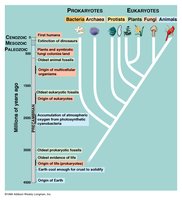
Earth formed about 4.6 billion years ago.
Oldest known fossils (prokaryotes) are about 3.5 billion years old.
Stromatolites, layered deposits formed by cyanobacteria, date back 3 billion years.
Prebiotic Evolution of Complex Molecules
Life did not arise by spontaneous generation. Instead, complex organic molecules likely formed over hundreds of millions of years under conditions very different from today.
Early Earth had no oxygen, a hot surface, and was bombarded by meteors.
Atmosphere was rich in hydrogen, methane, ammonia, and water vapor.
Stanley Miller’s Experiment
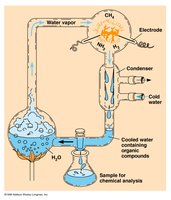
Stanley Miller and Harold Urey simulated early Earth conditions in the laboratory, combining water vapor, methane, ammonia, and hydrogen, and providing energy via electrical sparks. They found that amino acids and nucleotide bases could form abiotically, supporting the hypothesis that organic molecules accumulated in Earth’s early oceans.
Alternative Sources of Organic Compounds
Hydrothermal Vents: Hot, mineral-rich water at oceanic vents could provide energy for organic synthesis.
Meteorites: Organic molecules have been found on meteorites, suggesting extraterrestrial delivery.
Formation of Protocells
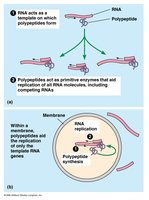
Organic molecules may have spontaneously formed membrane-bound structures (protocells) capable of maintaining an internal environment and carrying out basic metabolic reactions. The evolution of self-replicating RNA and the genetic code were critical steps toward the first living cells.
Characteristics of the First Living Cells
Membrane boundary separating cell from environment
Enzymes for energy extraction and storage (e.g., ATP)
RNA for enzyme activity and replication
Genetic code specifying amino acids via triplet codons
Transfer RNA for protein synthesis
Evolution of Modern Cells
Prokaryotes and Eukaryotes
Bacteria dominated Earth for nearly 2 billion years before the evolution of eukaryotic cells (~1.7 billion years ago).
Eukaryotic cells are characterized by internal membranes and specialized organelles.
Mitochondria and chloroplasts likely originated via endosymbiosis with free-living prokaryotes.
Impact of Photosynthesis
Early cells were anaerobic heterotrophs, obtaining energy from organic molecules via glycolysis or fermentation.
The evolution of photosynthesis by cyanobacteria released oxygen, transforming Earth’s atmosphere and enabling aerobic respiration.
The Fossil Record
Formation and Importance of Fossils
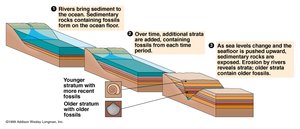
Fossils are preserved remains or imprints of past life, typically found in sedimentary rock layers (strata). The order of fossil appearance in strata provides evidence for the sequence of evolutionary events.

Dating Fossils
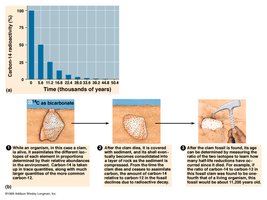
Radiometric dating, such as radiocarbon dating, allows scientists to estimate the age of fossils by measuring the decay of radioactive isotopes.
Fossil Evidence for Evolution
Fossils are distributed consistently in strata of the same age worldwide.
More complex forms appear after simpler ones.
Recent fossils closely resemble modern organisms.
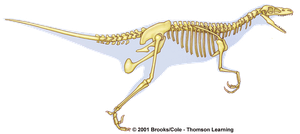
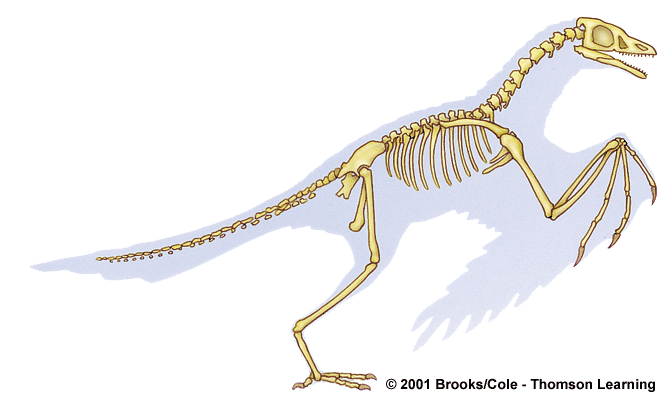
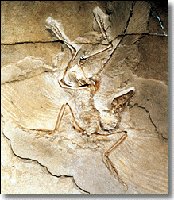
Fossils also show extinction events and transitional forms (e.g., Archaeopteryx between dinosaurs and birds).
Vestigial Structures
Some modern organisms retain vestigial structures, such as pelvic bones in whales, as evidence of evolutionary ancestry.
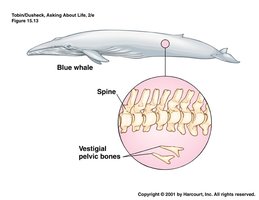
Plate Tectonics and Continental Drift
Earth’s Changing Surface
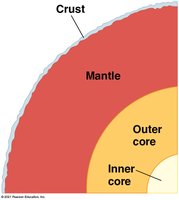
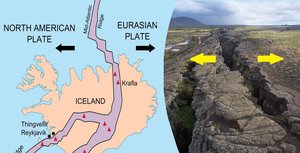
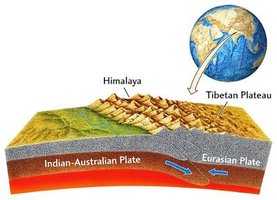
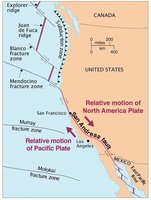
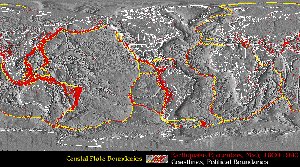
Plate tectonics theory explains that Earth’s crust is divided into plates that float on the mantle. Movements of these plates cause continental drift, mountain building, earthquakes, and volcanic activity.
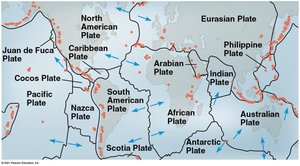
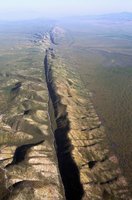
Plates can drift apart (e.g., mid-ocean ridges), collide (forming mountains), or slide past each other (causing faults and earthquakes).

Effects on Evolution
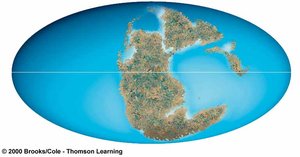
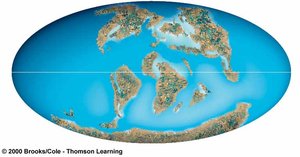
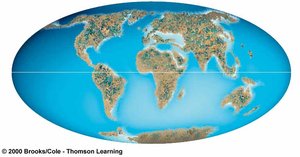
Continental drift alters habitats, climate, and promotes allopatric speciation.
Formation and breakup of supercontinents (e.g., Pangaea) have repeatedly reshaped life on Earth.
Major Transitions in Life
Evolution of Plants and Animals
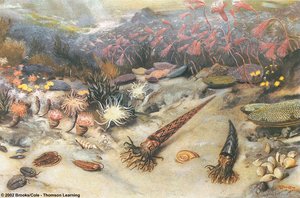
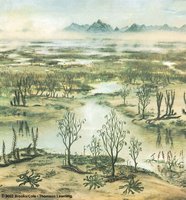
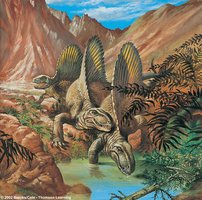
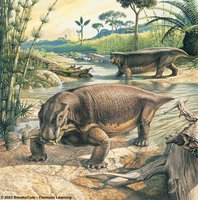
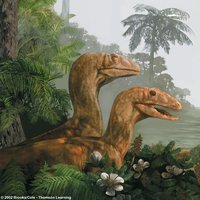
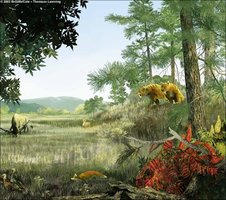
Major groups such as trilobites, ammonites, ferns, club mosses, and dinosaurs dominated different eras.
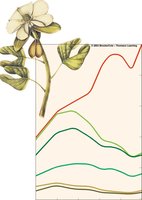
Flowering plants (angiosperms) diversified and became dominant in the Cretaceous period.
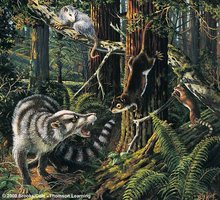
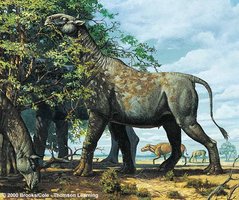
Mammals diversified after the extinction of dinosaurs.
Mass Extinctions and Adaptive Radiations
Mass Extinctions
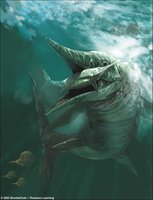
Most species that have ever lived are now extinct. Mass extinctions are periods when large numbers of species disappear due to drastic environmental changes (biotic or abiotic).
Permian Extinction (252 MYA): 96% of marine species and many terrestrial species went extinct, likely due to extreme volcanism and climate change.
Cretaceous Extinction (66 MYA): Ended the age of dinosaurs, paving the way for mammalian diversification.
Adaptive Radiation
After mass extinctions, surviving groups often undergo adaptive radiation—rapid evolution of many new species adapted to different ecological niches. Examples include the diversification of mammals after the extinction of dinosaurs and the evolution of Galapagos finches.
Summary Table: Major Events in the History of Life
Time (mya) | Event |
|---|---|
~4600 | Formation of Earth |
~4000 | First prokaryotic cells |
~2500 | Oxygen accumulation in atmosphere |
~1800 | First eukaryotic cells |
~600 | First multicellular organisms |
~541 | Cambrian explosion (diversification of animal phyla) |
~252 | Permian mass extinction |
~66 | Cretaceous mass extinction (dinosaurs extinct) |
~0.2 | Appearance of Homo sapiens |
Additional info: This summary integrates and expands upon the provided lecture content, including inferred academic context on the fossil record, radiometric dating, and the significance of mass extinctions and adaptive radiations in shaping biodiversity.
