 Back
BackChapter 26: The Colonization of Land – Evolution and Adaptations of Early Plants and Fungi
Study Guide - Smart Notes
 Tailored notes based on your materials, expanded with key definitions, examples, and context.
The Greening of Earth
Introduction to Terrestrial Life
For much of Earth's early history, the terrestrial surface was devoid of life. The colonization of land by plants, fungi, and later animals marked a pivotal event in the evolution of life, fundamentally transforming Earth's ecosystems.
Cyanobacteria and protists likely existed on land about 1.2 billion years ago.
Small plants, fungi, and animals began to emerge on land around 500 million years ago.
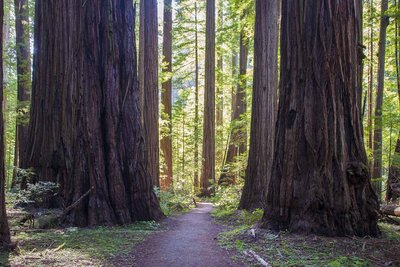
The first forests appeared approximately 385 million years ago.
Plants and fungi, though not closely related, colonized land as partners before animals arrived.
Plants supply oxygen and are the ultimate source of most food for land animals.
Fungi decompose organic material and recycle nutrients, supporting terrestrial ecosystems.
Concept 26.1: Fossil Evidence and Algal Ancestry of Land Plants
Fossil Record of Early Land Plants
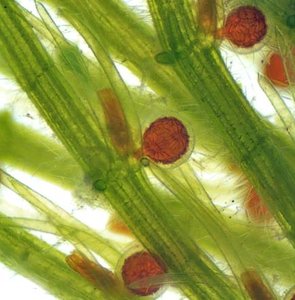
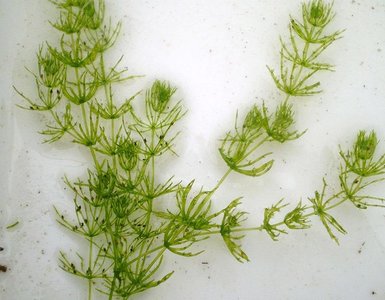
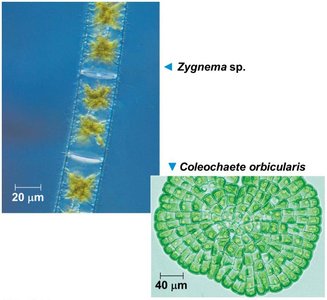
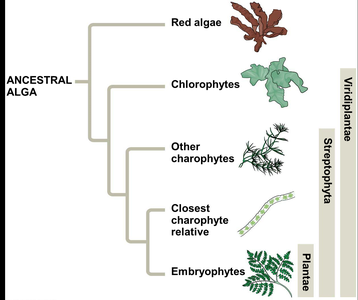
Fossils indicate that plants colonized land more than 470 million years ago. The closest relatives of land plants are green algae known as charophytes.
Many characteristics of land plants are also found in some algae.
Land plants share distinctive traits with only charophytes, such as:
Rings of cellulose-synthesizing complexes
Structure of flagellated sperm
Comparisons of nuclear and chloroplast genes support charophytes as the closest living relatives of land plants.
Land plants are not descended from modern charophytes but share a common ancestor with them.
Adaptations Enabling the Move to Land
Transitioning from aquatic to terrestrial environments required adaptations to prevent desiccation and provide structural support.
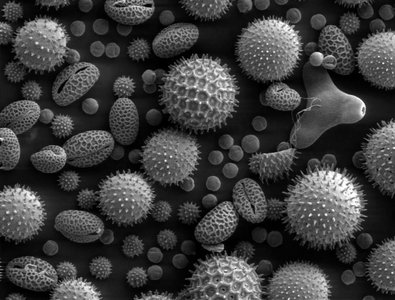
Sporopollenin: A durable polymer in charophytes that prevents zygotes from drying out; also found in plant spore walls.
Benefits of terrestrial life included unfiltered sunlight, abundant CO2, and nutrient-rich soil.
Challenges included scarcity of water and lack of structural support.
Defining the Plant Kingdom
Systematists debate the boundaries of the plant kingdom. For now, plants are defined as embryophytes—organisms with multicellular embryos dependent on the parent.
Derived Traits of Land Plants
Key traits that distinguish land plants from charophytes include:
Alternation of generations
Multicellular, dependent embryos
Walled spores produced in sporangia
Apical meristems
Additional traits: cuticle (waxy covering), stomata (gas exchange pores)
Alternation of Generations
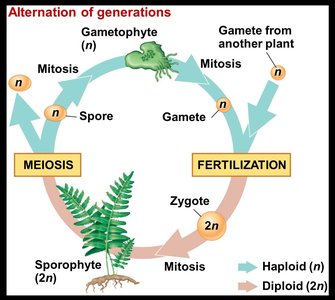
Land plants exhibit a life cycle known as alternation of generations, involving multicellular haploid and diploid stages.
The gametophyte is haploid (n) and produces gametes by mitosis.
Fusion of gametes forms a diploid (2n) sporophyte, which produces haploid spores by meiosis.
Multicellular, Dependent Embryos
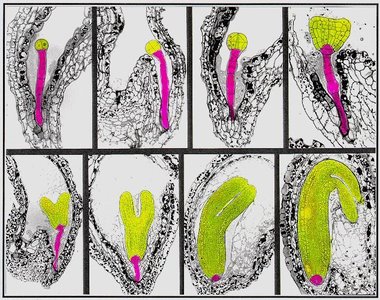
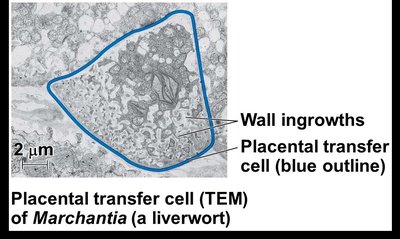
The multicellular, diploid embryo is retained within the tissue of the female gametophyte. Nutrients are transferred from parent to embryo through placental transfer cells.
Land plants are called embryophytes due to this dependency.
Walled Spores Produced in Sporangia
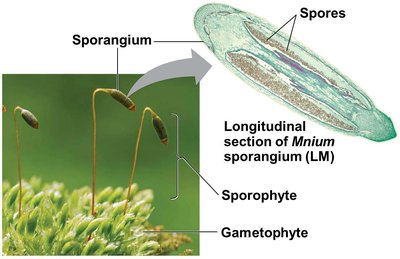
Sporangia are multicellular organs that produce spores. Spore walls contain sporopollenin, making them resistant to harsh environments.
Apical Meristems
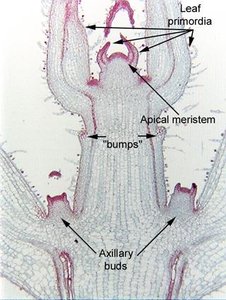
Apical meristems are localized regions of cell division at the tips of roots and shoots, allowing plants to grow continuously throughout their lives.
Cuticle: A waxy covering that prevents water loss and microbial attack.
Stomata: Specialized pores for gas exchange.
Early Plants and Fossil Evidence
Fossil Record of Early Land Plants
Fossilized spores and tissues indicate that plants were present on land at least 470 million years ago. Large plant structures, such as sporangia, appeared by 425 million years ago.
Early plants developed specialized tissues for water transport, cuticles, stomata, and branched sporophytes.
Concept 26.2: Fungi and the Colonization of Land
Role of Fungi in Early Terrestrial Ecosystems
Fungi played a crucial role in the colonization of land by forming symbiotic associations with early plants, aiding in nutrient acquisition.
Fungi are heterotrophs that absorb nutrients from their environment.
They consist of networks of branched hyphae, which maximize absorption.
Fungal cell walls contain chitin, providing strength and flexibility.
Fungi can digest a wide range of organic compounds, living or dead.
Mycorrhizae: Plant-Fungal Symbiosis
Mycorrhizae are symbiotic associations between fungi and plant roots, crucial for nutrient exchange and plant colonization of land.
Fungal hyphae transfer nutrients (especially phosphate ions) to the plant.
The plant supplies the fungus with organic nutrients (e.g., carbohydrates).
Two main types of mycorrhizal fungi:
Arbuscular (endo) mycorrhizal fungi: Hyphae penetrate root cell walls.
Ectomycorrhizal fungi: Form sheaths over roots and grow into extracellular spaces of the root cortex.
Evolutionary Relationships of Fungi
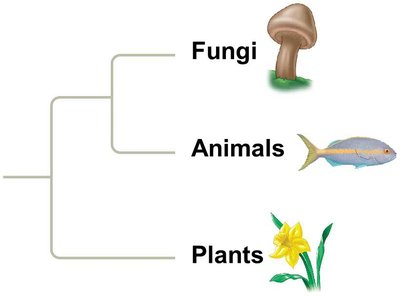
Fungi and animals are more closely related to each other than to plants. DNA evidence suggests fungi are most closely related to unicellular protists called nucleariids, while animals are related to choanoflagellates. Multicellularity arose independently in fungi and animals.
Concept 26.3: Diversification of Early Land Plants
Major Lineages of Land Plants
Land plants diversified into several major lineages, grouped by the presence or absence of vascular tissue.
Vascular plants: Have specialized tissues for water and nutrient transport.
Nonvascular plants (bryophytes): Lack vascular tissue; include liverworts, mosses, and hornworts.
Bryophytes: Basal Plant Lineages
Bryophytes are small, herbaceous plants that represent the earliest diverging lineages of land plants.
Three clades: Liverworts, Mosses, Hornworts.
Anchored by rhizoids (not true roots).
Flagellated sperm require water to reach eggs.
Gametophytes are larger and longer-living than sporophytes.
Height is limited by the absence of vascular tissue.
Seedless Vascular Plants
Vascular tissue enabled plants to grow tall and dominate terrestrial landscapes. The earliest vascular plants appeared about 425 million years ago and lacked seeds.
Two main clades: Lycophytes (club mosses and relatives) and Monilophytes (ferns and relatives).
Sporophytes are the dominant generation; gametophytes are small and often grow below ground.
Flagellated sperm still require water for fertilization.
Comparison of Plant Life Cycles
The dominance of gametophyte or sporophyte generations varies among plant groups. The following table summarizes these differences:
Plant Group | Gametophyte | Sporophyte |
|---|---|---|
Mosses and other nonvascular plants | Dominant, larger, longer-living | Reduced, dependent on gametophyte for nutrition |
Ferns and other seedless vascular plants | Reduced, independent (photosynthetic and free-living) | Dominant |
Seed plants (gymnosperms and angiosperms) | Reduced (usually microscopic), dependent on sporophyte tissue for nutrition | Dominant |
