 Back
BackChapter 28: An Introduction to Protists
Study Guide - Smart Notes
 Tailored notes based on your materials, expanded with key definitions, examples, and context.
Protists: Overview and Characteristics
Definition and General Features
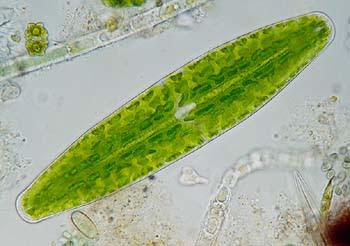
Protists are a diverse group of eukaryotic organisms that are not classified within the plant, animal, or fungal kingdoms. They are primarily found in moist environments and are mostly microscopic in size. Some protists are closely related to plants, animals, or fungi, reflecting their evolutionary diversity.
Habitat: Most abundant in moist habitats such as oceans, lakes, wetlands, and rivers.
Size: Most protists are microscopic, though some, like seaweeds, are macroscopic.
Classification of Protists
By Ecological Role
Protists are classified into three major ecological types, though these categories do not reflect evolutionary relationships:
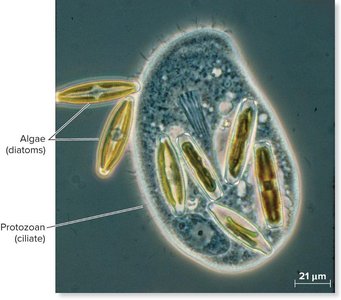
Algae: Generally photoautotrophic (photosynthetic) protists.
Protozoa: Heterotrophic protists that ingest prey.
Fungus-like: Protists that resemble fungi in form and absorptive nutrition but are not closely related to true fungi.
By Habitat
Protists are especially common and diverse in aquatic environments. They can be classified based on their ecological niche:
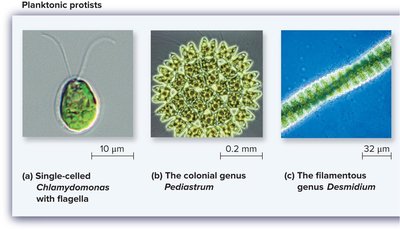
Plankton: Swimming or floating protists, bacteria, viruses, and small animals. Phytoplankton are photosynthetic plankton.
Periphyton: Communities of microorganisms attached by mucilage to underwater surfaces, often forming multicellular bodies such as seaweeds or macroalgae.
By Motility
Protists exhibit diverse forms of movement:
Flagellates: Swim using one or more eukaryotic flagella.
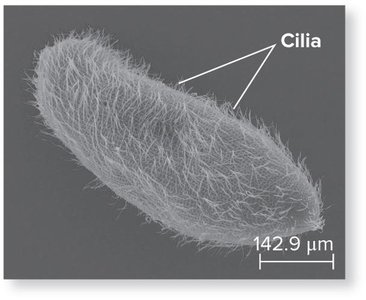
Ciliates: Move using numerous short cilia, which are shorter and more abundant than flagella.
Amoebae: Move via amoeboid movement using pseudopodia (temporary extensions of the cytoplasm).
Some protists glide on protein or carbohydrate slime.
Evolution and Phylogeny of Protists
Evolutionary Relationships
Historically, protists were grouped into a single kingdom, but molecular and morphological evidence shows that they are not a monophyletic group. Their evolutionary relationships are complex and still being resolved, with new protists continually being discovered. Modern classification places protists into several eukaryotic supergroups.
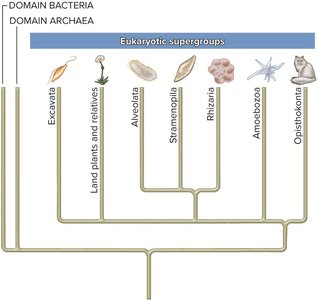
Major Supergroups of Protists
Excavata
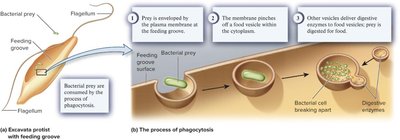
Excavata are related to some of Earth's earliest eukaryotes. They are named for a feeding groove "excavated" into the cells of many representatives. Food particles are taken into cells by phagocytosis, a process that is also the evolutionary basis for endosymbiosis.
Phagocytosis: The process by which a cell engulfs particles to form an internal compartment known as a phagosome.
Supergroup: Land Plants and Relatives
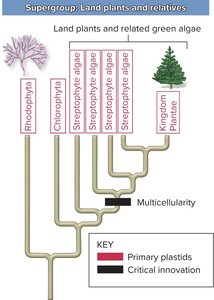
This supergroup includes land plants and several algal phyla. Land plants (Kingdom Plantae) evolved from green algal ancestors, together called Streptophyta. Major phyla include:
Phylum Chlorophyta: Green algae
Phylum Rhodophyta: Red algae
Green Algae (Phylum Chlorophyta)
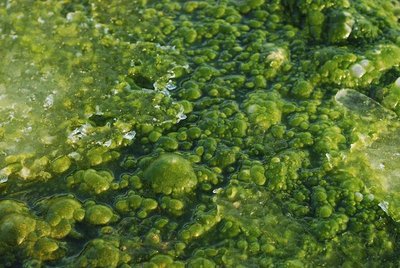
Green algae are diverse in structure and habitat, occurring in freshwater, marine, and terrestrial environments. Most are photosynthetic and possess plastids and pigments similar to those in land plants.
Red Algae (Phylum Rhodophyta)
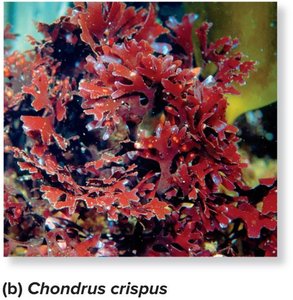
Red algae are mostly multicellular marine macroalgae. Their red appearance is due to distinctive photosynthetic pigments. They lack flagella and often have complex life cycles.
Plastids and Endosymbiosis
Primary Plastids
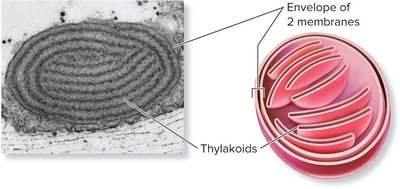
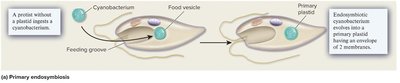
Primary plastids are organelles with an envelope of two membranes, originating through primary endosymbiosis. In this process, a heterotrophic host cell captured a cyanobacterium via phagocytosis, which then evolved into a plastid.
Secondary Plastids
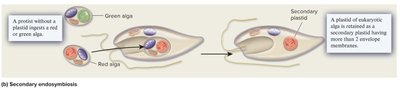
Secondary plastids are derived from a photosynthetic eukaryote, such as a red or green alga, through secondary endosymbiosis. These plastids typically have more than two membranes.
Other Major Protist Supergroups
Haptophytes
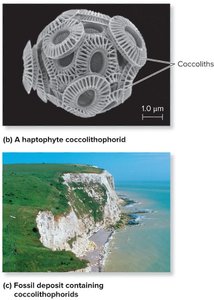
Haptophytes are unicellular photosynthesizers with secondary plastids. Some, known as coccolithophorids, have a covering of white calcium carbonate discs called coccoliths, which contribute to massive chalk formations.
Alveolata
Alveolata are named for saclike membranous vesicles (alveoli) present in the cell periphery. Major groups include:
Ciliophora: Ciliates
Apicomplexa: Medically important parasites (e.g., Plasmodium, the malaria parasite)
Dinozoa: Dinoflagellates, some of which are photosynthetic; responsible for red tides and mutualistic relationships with coral
Stramenopila
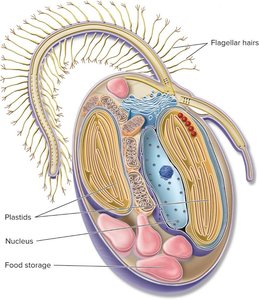
Stramenopiles include a wide range of algae, protozoa, and fungus-like protists. They usually produce flagellate cells at some point in their life cycle and are named for distinctive strawlike hairs on the surface of their flagella. Their plastids originated from secondary endosymbiosis with red algae.
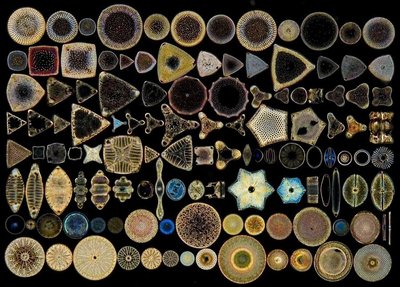
Examples: Phytophthora infestans (late blight of potato), diatoms (with glassy silicate cell walls), and giant kelp (important marine ecosystems).
Rhizaria
Rhizaria are characterized by thin, hairlike extensions of the cytoplasm called filose pseudopodia. Major phyla include:
Chlorarachniophyta
Radiolaria
Foraminifera
Protists as Bioindicators
Foraminifera (Forams)
Foraminifera are single-celled, shelled protists found globally in the ocean. Their calcium carbonate shells make them useful for studying ocean acidification, as increased acidity makes it harder for them to build shells. Modern research uses microCT scanning to analyze changes in shell density and thickness, providing insights into environmental changes.
Bioindicator | Ecological Role | Human Use |
|---|---|---|
Foraminifera | Marine protists, part of planktonic and benthic communities | Indicators of ocean acidification and past climate conditions |
Summary Table: Major Protist Supergroups and Features
Supergroup | Key Features | Representative Groups |
|---|---|---|
Excavata | Feeding groove, phagocytosis | Euglena, Giardia |
Land plants & relatives | Primary plastids, photosynthetic | Green algae, red algae, land plants |
Alveolata | Alveoli, diverse nutrition | Ciliates, dinoflagellates, apicomplexans |
Stramenopila | Flagellar hairs, secondary plastids | Diatoms, brown algae, oomycetes |
Rhizaria | Filose pseudopodia | Foraminifera, radiolarians |
