 Back
BackChapter 29: Fungi – Structure, Function, and Diversity
Study Guide - Smart Notes
 Tailored notes based on your materials, expanded with key definitions, examples, and context.
Fungi: Importance and Ecological Roles
Why Do We Study Fungi?
Fungi are a diverse group of eukaryotic organisms that play critical roles in ecosystems, agriculture, and human health. Their study is essential due to their impact on crop production, plant growth, nutrient cycling, and symbiotic relationships.
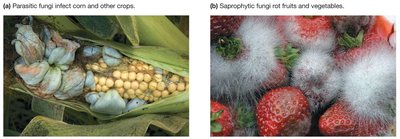
Crop Production: Parasitic fungi can infect crops, causing significant agricultural losses.
Food Spoilage: Saprophytic fungi rot fruits and vegetables, affecting food storage and safety.
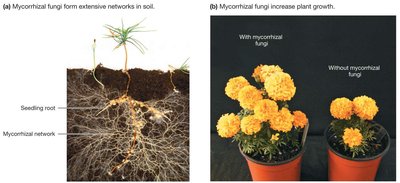
Plant Growth: Mycorrhizal fungi form symbiotic relationships with plant roots, enhancing nutrient uptake and plant health.
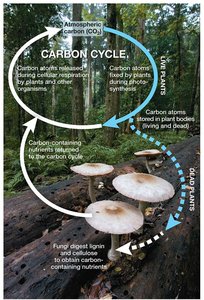
Carbon Cycle: Fungi decompose dead organic matter, accelerating the carbon cycle in terrestrial ecosystems.
Example: Fungi infecting corn and strawberries, and mycorrhizal fungi increasing plant growth.
Studying Fungi: Diversity and Discovery
How Do Biologists Study Fungi?
Biologists use morphological, genetic, and ecological approaches to study fungi. Over 110,000 species have been described, with estimates suggesting up to 6 million species worldwide. Fungi are found in diverse habitats, including the guts of insects and mammals.
Species Discovery: Hundreds of new fungal species are discovered annually.
Ecological Diversity: Fungi inhabit soil, water, and symbiotic relationships with other organisms.
Fungal Structure and Growth Forms
Growth Forms of Fungi
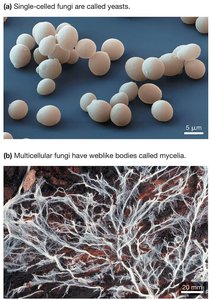
Fungi exhibit two primary growth forms: single-celled yeasts and multicellular mycelia. These forms are adapted for efficient nutrient absorption and reproduction.
Yeasts: Single-celled fungi, often involved in fermentation.
Mycelia: Multicellular, web-like bodies composed of hyphae, providing a large surface area for nutrient absorption.
Unusual Bodies of Multicellular Fungi
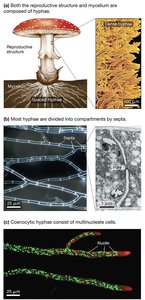
Multicellular fungi have bodies composed of hyphae, which may be divided by septa or be coenocytic (multinucleate). Both reproductive structures and mycelia are made of hyphae.
Septate Hyphae: Divided into compartments by septa.
Coenocytic Hyphae: Multinucleate cells without septa.
Fungal Reproduction
Sexual Reproductive Structures
Fungi display four main types of sexual reproductive structures, each characteristic of different fungal lineages.
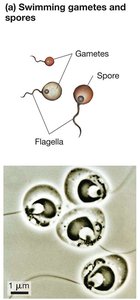
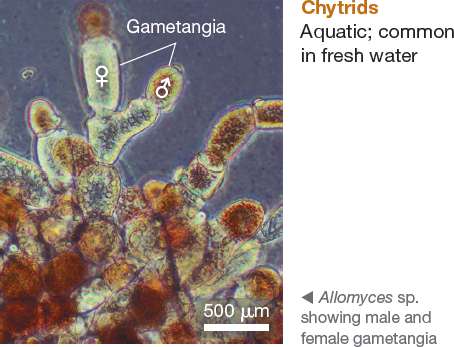
Swimming Gametes and Spores: Motile cells with flagella, typical of chytrids.
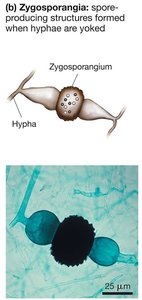
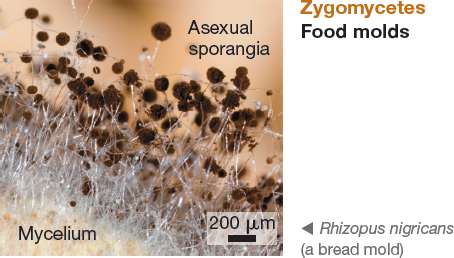
Zygosporangia: Spore-producing structures formed by yoked hyphae, characteristic of zygomycetes.
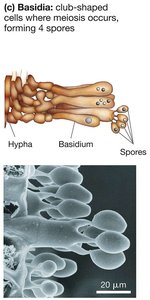
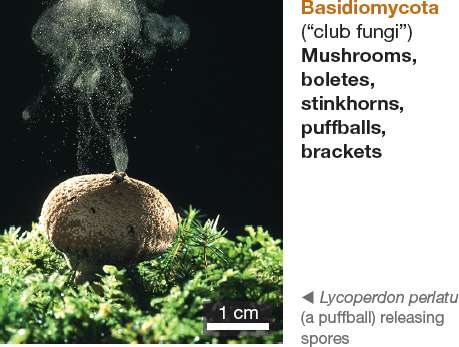
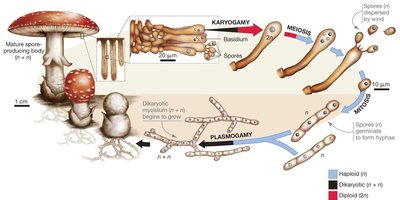
Basidia: Club-shaped cells where meiosis occurs, forming four spores, typical of basidiomycetes.
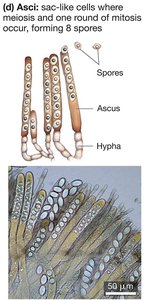
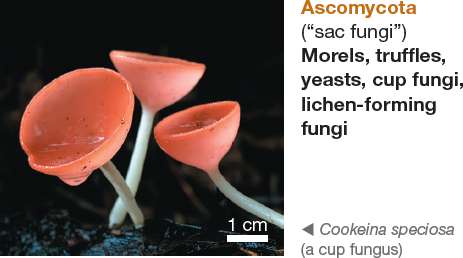
Asci: Sac-like cells where meiosis and mitosis occur, forming eight spores, typical of ascomycetes.
Asexual Reproduction
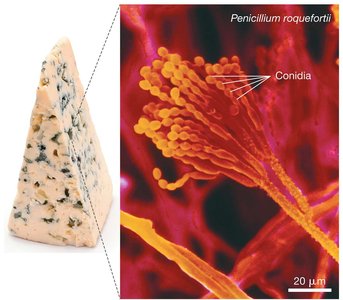
Many fungi reproduce asexually by producing spores in specialized structures such as sporangia or conidia.
Conidia: Asexual spores produced by ascomycetes, important in food production and spoilage.
Fungal Phylogeny and Lineages
Key Lineages of Fungi
Fungi are classified into several major lineages, each with unique life cycles, ecological roles, and reproductive strategies.
Lineage | Relevance | Life Cycle | Absorptive Life Style | Known Species |
|---|---|---|---|---|
Chytrids | Parasites of mosquitoes; decline in amphibians | Motile spores and gametes; alternation of generations | Decompose plants; mutualists in animal guts | 750 |
Zygomycetes | Food molds; used in fermentation | Asexual sporangia; sexual zygosporangia | Saprophytes; parasites of fungi and insects | 1050 |
Basidiomycota | Mushrooms; plant parasites; mycorrhizal associations | Basidia produce haploid spores | Decompose wood; ectomycorrhizal associations | 32,000 |
Ascomycota | Lichens; bioindicators; food production | Asci produce haploid spores | Mutualists; predators; lichen formation | 64,000 |
Mutualistic Relationships
Mycorrhizal Fungi
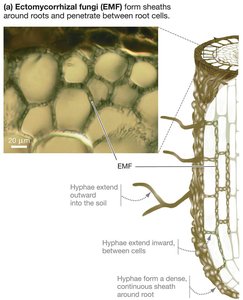
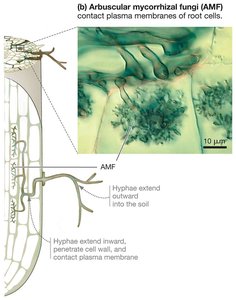
Mutualistic fungi interact with plant roots in two main ways: ectomycorrhizal fungi (EMF) form sheaths around roots, while arbuscular mycorrhizal fungi (AMF) penetrate root cell walls and contact plasma membranes.
EMF: Enhance nutrient uptake, especially in trees.
AMF: Increase phosphorus and water absorption in plants.
Lichens
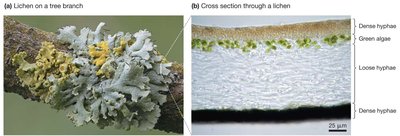
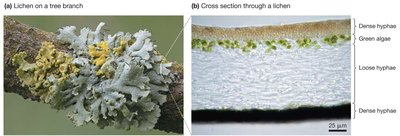
Lichens are symbiotic associations between an ascomycete fungus and a cyanobacterium or green alga. They are important bioindicators and contribute to soil formation.
Structure: Dense hyphae, loose hyphae, and photosynthetic partner.
Parasitic and Pathogenic Fungi
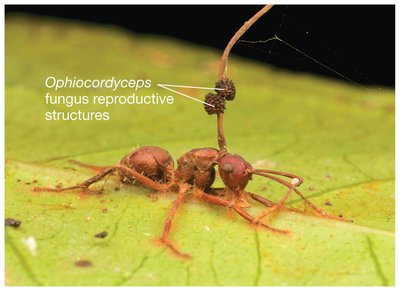
Some fungi are parasitic, infecting plants, animals, and insects. Notable examples include the "zombie ant" fungus, which manipulates insect behavior.
Ophiocordyceps: Infects ants and produces reproductive structures on their bodies.
Fungi as Decomposers
Adaptations for Decomposition
Fungi are highly effective decomposers due to their large surface area and ability to grow toward dead tissues. They perform extracellular digestion, breaking down complex organic molecules outside their bodies.
Extracellular Digestion: Enzymes are secreted to digest lignin and cellulose.
Lignin Peroxidase: Breaks down lignin, exposing cellulose for further digestion.
Cellulases: Convert cellulose into glucose for absorption.
Fungal Life Cycles
Unusual Life Cycles
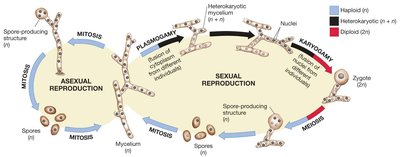
Fungi exhibit complex life cycles, including both asexual and sexual reproduction. Key stages include plasmogamy (fusion of cytoplasm), karyogamy (fusion of nuclei), and meiosis.
Asexual Reproduction: Spores produced by mitosis.
Sexual Reproduction: Involves plasmogamy, karyogamy, and meiosis.
Heterokaryotic Stage: Cells contain two or more genetically distinct nuclei.
Summary Table: Key Lineages of Fungi
Lineage | Relevance | Life Cycle | Absorptive Life Style | Known Species |
|---|---|---|---|---|
Chytrids | Parasites, mutualists, decomposers | Motile spores/gametes, alternation of generations | Digest cellulose, mutualists in animal guts | 750 |
Zygomycetes | Food molds, fermentation | Asexual/sexual sporangia | Saprophytes, parasites | 1050 |
Basidiomycota | Mushrooms, plant parasites | Basidia produce spores | Decompose wood, mycorrhizal | 32,000 |
Ascomycota | Lichens, food production | Asci produce spores | Mutualists, predators, lichen formation | 64,000 |
Conclusion
Fungi are a diverse and ecologically significant group of organisms. Their unique structures, reproductive strategies, and mutualistic relationships make them essential for nutrient cycling, plant health, and ecosystem stability. Understanding fungal biology is crucial for addressing challenges in agriculture, environmental science, and biotechnology.
