 Back
Chapter 31: Fungi – Structure, Function, and Diversity
Study Guide - Smart Notes
 Tailored notes based on your materials, expanded with key definitions, examples, and context.
Chapter 31 Fungi:
Introduction to Fungi
Fungi are a diverse kingdom of eukaryotic organisms that play essential roles in ecosystems as decomposers, mutualists, and pathogens. They are distinct from plants and animals, primarily due to their mode of nutrition and unique structural features.
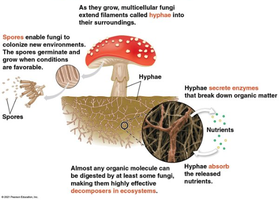
Heterotrophs: Fungi obtain nutrients by absorption, using hydrolytic enzymes to break down complex molecules from living or dead sources.
Ecological Roles: Fungi act as decomposers, parasites, and mutualists, contributing to nutrient cycling and symbiotic relationships.
Nutrition and Ecology
Decomposers: Break down nonliving organic material, recycling nutrients in ecosystems.
Parasitic Fungi: Absorb nutrients from living hosts, sometimes causing disease.
Mutualistic Fungi: Exchange nutrients with hosts, benefiting both partners (e.g., mycorrhizae with plants).
Fungal Body Structure
Hyphae and Mycelium
Most fungi are multicellular, forming networks of filaments called hyphae. These hyphae collectively form a mycelium, which infiltrates food sources and maximizes surface area for absorption.
Cell Walls: Composed of chitin, providing structural strength and preventing lysis.
Septa: Cross-walls dividing hyphae into cells; coenocytic fungi lack septa, resulting in continuous cytoplasm with many nuclei.
Growth: Hyphae grow by extending at their tips, allowing fungi to colonize new substrates.
Specialized Hyphae and Mycorrhizae
Haustoria: Specialized hyphae for extracting nutrients from plants.
Mycorrhizae: Symbiotic associations between fungal hyphae and plant roots, crucial for plant nutrient uptake.
Types: Ectomycorrhizal (sheaths over roots) and arbuscular mycorrhizal (penetrate root cells).
Fungal Reproduction and Life Cycles
Generalized Life Cycle
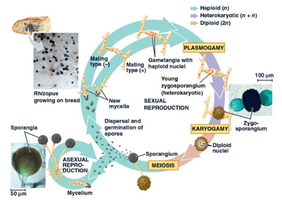
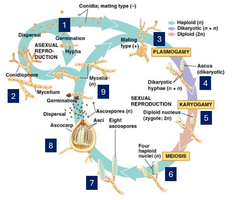
Fungi reproduce by producing spores, either sexually or asexually. Their life cycles often include both haploid and diploid stages, with unique processes such as plasmogamy and karyogamy.
Spores: Dispersed by wind or water, germinate in suitable environments.
Sexual Reproduction: Involves fusion of hyphae (plasmogamy), followed by nuclear fusion (karyogamy), and meiosis to produce genetically diverse spores.
Asexual Reproduction: Involves mitotic production of spores or budding in yeasts.
Major Fungal Lineages
Overview of Fungal Phylogeny
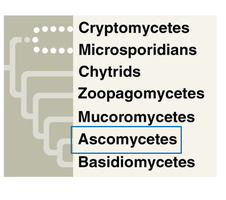
Molecular studies have clarified the evolutionary relationships among major fungal groups. The main lineages include:
Cryptomycetes
Microsporidians
Chytrids
Zoopagomycetes
Mucoromycetes
Ascomycetes
Basidiomycetes
Chytrids
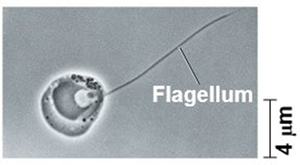
Unique for having flagellated spores (zoospores).
Found in aquatic and moist environments.
Mucoromycetes
Includes fast-growing molds such as Rhizopus stolonifer (bread mold).
Reproduce sexually via zygosporangia, which are resistant to harsh conditions.
Ascomycetes
Known as sac fungi due to the production of spores in saclike asci.
Includes yeasts, morels, and cup fungi.
Reproduce asexually via conidia and sexually via ascospores in ascocarps.
Basidiomycetes
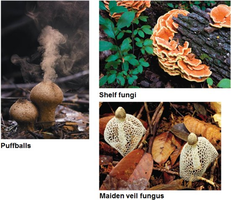
Includes mushrooms, puffballs, and shelf fungi.
Named for the basidium, the site of karyogamy and meiosis.
Important decomposers, especially of wood (lignin).
Fungi in Ecosystems and Human Affairs
Decomposers
Fungi are primary decomposers of organic material, breaking down cellulose and lignin and recycling nutrients essential for ecosystem function.
Mutualists
Form mycorrhizal associations with plants, enhancing nutrient uptake.
Form lichens with algae or cyanobacteria, pioneering new habitats.
Pathogens and Parasites
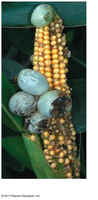
About 30% of fungi are parasites, mainly of plants.
Some cause significant agricultural losses and produce toxins harmful to humans and animals.
Practical Uses of Fungi
Used in food production (bread, cheese, alcoholic beverages).
Source of antibiotics (e.g., penicillin from Penicillium).
Model organisms in genetic research and biotechnology.
Summary Table: Major Fungal Groups
Group | Key Features | Examples |
|---|---|---|
Chytrids | Flagellated spores, aquatic habitats | Batrachochytrium dendrobatidis |
Mucoromycetes | Zygosporangia, fast-growing molds | Rhizopus stolonifer |
Ascomycetes | Saclike asci, conidia, diverse habitats | Yeasts, morels, truffles |
Basidiomycetes | Basidia, decomposers, mushrooms | Mushrooms, puffballs, shelf fungi |
