 Back
BackChapter 31: Fungi – Structure, Function, Diversity, and Ecological Roles
Study Guide - Smart Notes
 Tailored notes based on your materials, expanded with key definitions, examples, and context.
Fungi: Structure, Function, and Ecological Roles
Introduction to Fungi
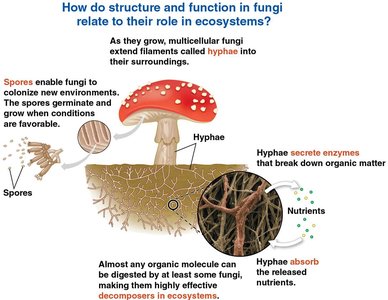
Fungi are a diverse kingdom of eukaryotic organisms that play essential roles in ecosystems as decomposers, mutualists, and pathogens. They are primarily heterotrophs that feed by absorption, utilizing specialized enzymes to break down complex organic matter.
Heterotrophic Nutrition: Fungi absorb nutrients from their environment by secreting hydrolytic enzymes that decompose complex molecules into smaller, absorbable compounds.
Ecological Roles: Fungi function as decomposers (breaking down nonliving organic material), parasites (absorbing nutrients from living hosts), and mutualists (engaging in beneficial relationships with other organisms).
Cell Wall: Fungal cell walls are composed of chitin, a strong and flexible polysaccharide.
Fungal Body Structure
Hyphae and Mycelium
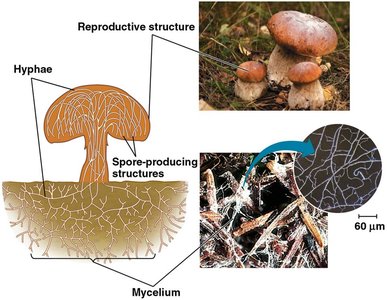
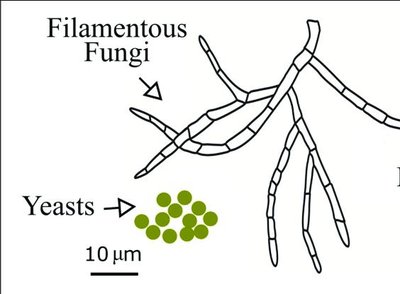
The main body of multicellular fungi consists of networks of tiny filaments called hyphae. These hyphae form an interwoven mass known as the mycelium, which penetrates the food source and facilitates nutrient absorption.
Hyphae: Thread-like structures with cell walls strengthened by chitin.
Mycelium: The collective mass of hyphae, providing a large surface area for absorption.
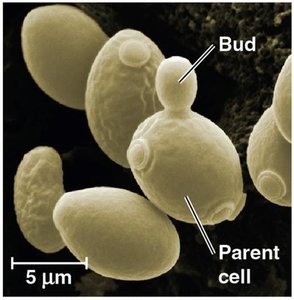
Yeasts: Single-celled fungi that reproduce by budding.
Specialized Hyphae
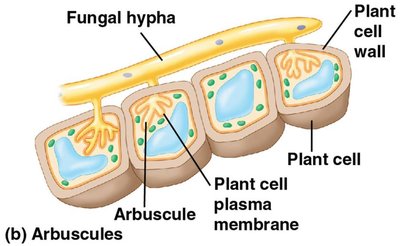
Some fungi possess specialized hyphae for feeding, trapping prey, or forming mutualistic relationships with plants. Mycorrhizal fungi form associations with plant roots, enhancing nutrient exchange.
Arbuscules: Specialized branching hyphae that penetrate plant cell walls (but not membranes) to exchange nutrients.
Types of Mycorrhizae:
Ectomycorrhizal fungi: Form sheaths over root surfaces.
Endomycorrhizal (Arbuscular) fungi: Penetrate plant cell walls with arbuscules.
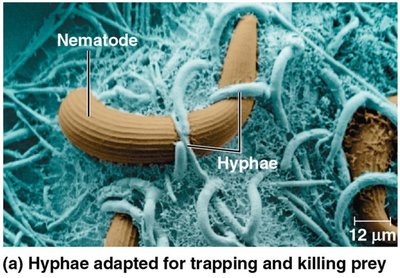
Predatory Hyphae: Some hyphae are adapted to trap and kill prey such as nematodes.
Fungal Reproduction
Spore Production and Dispersal
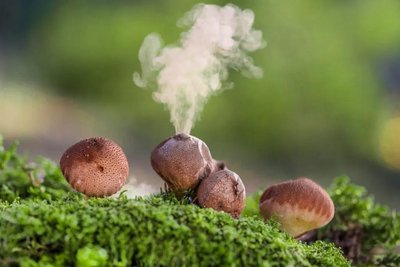
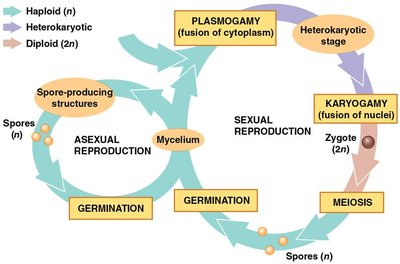
Fungi reproduce by producing spores, which can be generated sexually or asexually. Spores are typically haploid and can be dispersed by wind or water to colonize new environments.
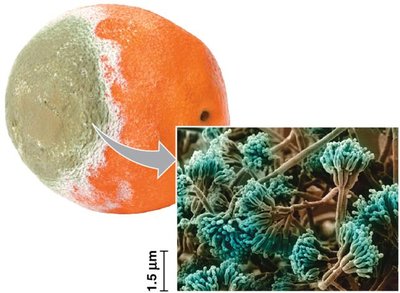
Asexual Reproduction: Involves mitotic production of spores (e.g., molds) or budding (e.g., yeasts).
Sexual Reproduction: Involves fusion of hyphae from different mating types, leading to a heterokaryotic stage, karyogamy (fusion of nuclei), and meiosis.
Pheromones: Chemical signals used by fungi to communicate mating type.
Evolution and Diversity of Fungi
Origin and Phylogeny
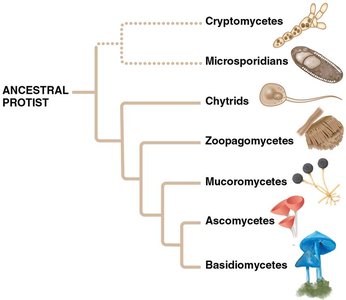
Fungi are closely related to animals, with divergence occurring over a billion years ago. Fossil evidence and molecular data indicate that fungi were among the earliest colonizers of land and formed mutualistic relationships with early plants.
Symbiosis Genes: Genes required for mycorrhizal formation were present in early plants.
Major Lineages: Cryptomycetes, Microsporidians, Chytrids, Zoopagomycetes, Mucoromycetes, Ascomycetes, and Basidiomycetes.
Major Fungal Groups
Cryptomycetes: Unicellular, flagellated spores, parasites of protists and fungi.
Microsporidians: Unicellular parasites, reduced mitochondria, infect animals and humans.
Chytrids: Flagellated spores (zoospores), found in aquatic habitats, decomposers, parasites, and mutualists.
Zoopagomycetes: Parasites or commensals of animals, lack flagellated spores, induce behavioral changes in hosts.
Mucoromycetes: Fast-growing molds, decomposers, some are plant mutualists or pathogens.
Ascomycetes: "Sac fungi," produce spores in asci, include molds, yeasts, and lichens.
Basidiomycetes: "Club fungi," produce basidia, include mushrooms, puffballs, and shelf fungi.
Ecological and Practical Importance of Fungi
Roles in Ecosystems
Fungi are crucial for nutrient cycling, decomposing organic material such as cellulose and lignin, and recycling chemical elements between living and nonliving worlds. They also form mutualistic relationships with plants (mycorrhizae), algae, cyanobacteria, and animals.
Decomposers: Break down dead organic matter, releasing nutrients back into the ecosystem.
Mutualists: Mycorrhizal fungi enhance plant nutrient uptake; lichens are symbiotic associations with photosynthetic organisms.
Pathogens: About 30% of fungi are parasites or pathogens, mainly of plants.
Fungi and Humans
Fungi have significant impacts on human welfare, both beneficial and harmful. They are used in food production, medicine, and biotechnology, but can also cause diseases in plants and animals.
Food and Industry: Used in making bread, cheese, alcoholic beverages; edible mushrooms.
Medicine: Source of antibiotics (e.g., penicillin from Penicillium), and other pharmaceuticals.
Pathogenic Fungi: Cause crop diseases (e.g., ergot on rye), and animal/human infections (mycoses such as ringworm and athlete’s foot).
Summary Table: Major Fungal Groups and Key Features
Group | Key Features | Examples |
|---|---|---|
Cryptomycetes | Unicellular, flagellated spores, parasites | Rozella |
Microsporidians | Unicellular, reduced mitochondria, animal parasites | Nosema |
Chytrids | Flagellated zoospores, aquatic habitats | Batrachochytrium |
Zoopagomycetes | Parasitic, non-flagellated spores | Fly death fungus |
Mucoromycetes | Fast-growing molds, decomposers | Rhizopus stolonifer |
Ascomycetes | Sac fungi, produce asci and conidia | Yeasts, morels, truffles |
Basidiomycetes | Club fungi, produce basidia | Mushrooms, puffballs, shelf fungi |
Additional info: This summary integrates foundational concepts from Chapter 31 of a college-level biology textbook, expanding on the structure, function, diversity, and ecological significance of fungi. It includes definitions, examples, and diagrams to support student understanding.
