 Back
BackChemical and Cellular Basis of Life: Biomolecules and Water
Study Guide - Smart Notes
 Tailored notes based on your materials, expanded with key definitions, examples, and context.
Chemical and Cellular Basis of Life
Elemental Composition and Properties of Water
Living organisms are primarily composed of a few key elements, with oxygen (O), carbon (C), hydrogen (H), and nitrogen (N) making up the majority of biological matter. Water, a vital inorganic molecule, is essential for life due to its unique physical and chemical properties, which arise from its molecular structure and polarity.
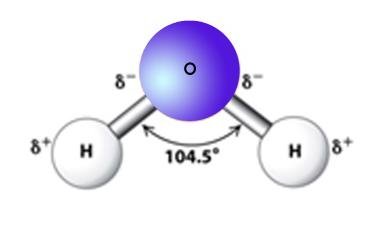
Polarity: Water is a polar molecule with an angular shape and an angle of 104.5°, resulting in partial positive (δ+) charges on hydrogen atoms and a partial negative (δ−) charge on the oxygen atom.
Hydrogen Bonding: The polarity of water allows for the formation of hydrogen bonds between adjacent water molecules, which are responsible for many of water's life-sustaining properties.
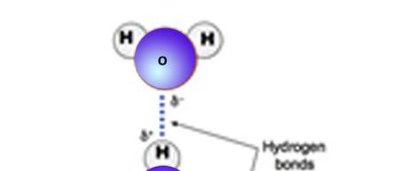
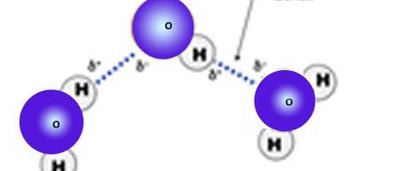
Cohesion and Adhesion: Cohesion refers to the attraction between water molecules, while adhesion is the attraction between water molecules and other substances. These properties enable water to act as a transport medium in biological systems.
High Specific Heat and Heat of Vaporization: Water can absorb or release large amounts of heat with minimal temperature change, helping organisms regulate temperature.
Expansion Upon Freezing: Water is less dense as a solid than as a liquid, allowing ice to float and providing insulation for aquatic life in cold environments.
Versatility as a Solvent: Water's polarity allows it to dissolve a wide range of substances, making it an excellent solvent for biological reactions.
Chemical Nature and Functions of Main Organic Compounds
Organic molecules are the foundation of cellular structure and function. The four major classes are carbohydrates, lipids, proteins, and nucleic acids.
Carbohydrates
Carbohydrates are composed of carbon, hydrogen, and oxygen, typically in a 1:2:1 ratio. They serve as energy sources and structural components.
Monosaccharides: Simple sugars (e.g., glucose, fructose) that are water-soluble and serve as building blocks for more complex carbohydrates.
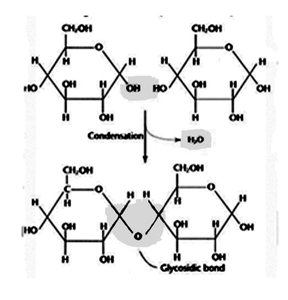
Disaccharides: Formed by joining two monosaccharides via a glycosidic bond through a condensation reaction (removal of water).
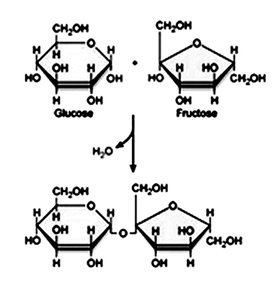
Polysaccharides: Long chains of monosaccharide units. They can be linear (e.g., cellulose, amylose) or branched (e.g., glycogen, amylopectin).
Functions: Energy storage (starch in plants, glycogen in animals), structural support (cellulose in plants, chitin in fungi and arthropods).
Lipids
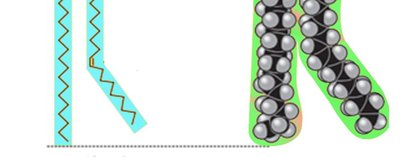
Lipids are hydrophobic molecules that include fats, phospholipids, and steroids. They are not polymers but are essential for energy storage, membrane structure, and signaling.
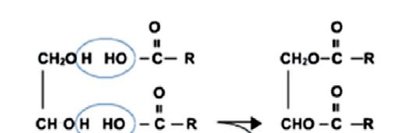
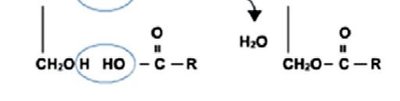
Fats: Composed of glycerol and fatty acids, joined by ester bonds through condensation reactions.
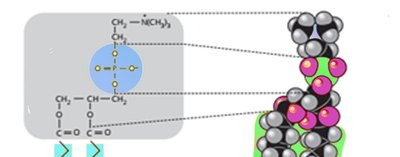
Phospholipids: Major components of cell membranes, consisting of two fatty acids, a glycerol, and a phosphate group. They have hydrophilic heads and hydrophobic tails.
Proteins
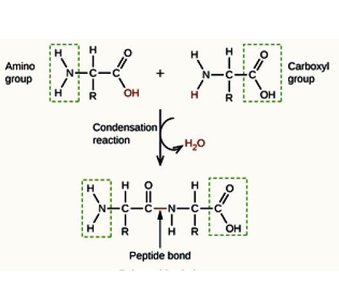
Proteins are polymers of amino acids linked by peptide bonds. They perform a vast array of functions, including catalysis, structure, transport, and signaling.
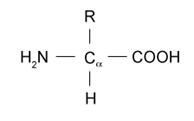
Amino Acid Structure: Each amino acid has a central (alpha) carbon, an amino group, a carboxyl group, a hydrogen atom, and a variable R group.
Peptide Bond Formation: Amino acids are joined by peptide bonds through condensation reactions.
Levels of Protein Structure:
Primary: Linear sequence of amino acids.
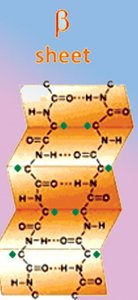
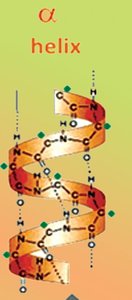
Secondary: Local folding into alpha helices or beta sheets stabilized by hydrogen bonds.
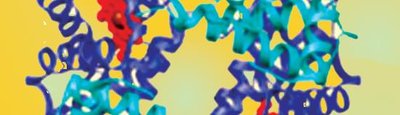
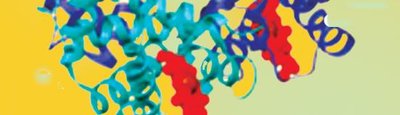
Tertiary: Three-dimensional folding due to interactions among R groups.
Quaternary: Association of multiple polypeptide chains.

Nucleic Acids
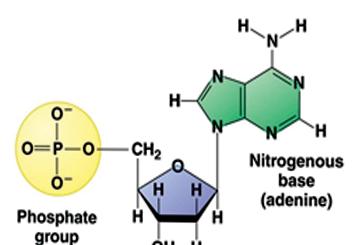
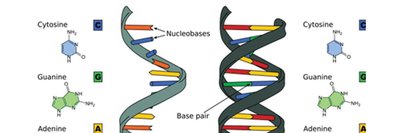
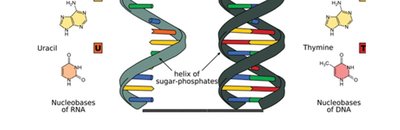
Nucleic acids (DNA and RNA) are polymers of nucleotides, each consisting of a phosphate group, a pentose sugar, and a nitrogenous base.
Nucleotide Structure: Each nucleotide contains a phosphate group, a five-carbon sugar (ribose or deoxyribose), and a nitrogenous base (adenine, guanine, cytosine, thymine, or uracil).

DNA: Double helix with complementary base pairing (A=T, G≡C).
RNA: Usually single-stranded, with uracil replacing thymine.
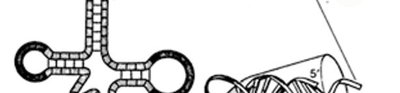
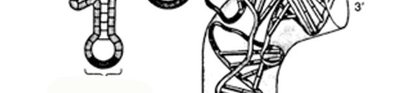
Types of RNA: mRNA (messenger), tRNA (transfer), rRNA (ribosomal).

Summary Table: Major Biomolecules and Their Functions
Biomolecule | Monomer | Main Functions |
|---|---|---|
Carbohydrates | Monosaccharides | Energy source, structural support |
Lipids | Glycerol & Fatty acids | Energy storage, membrane structure, signaling |
Proteins | Amino acids | Catalysis, structure, transport, signaling |
Nucleic Acids | Nucleotides | Genetic information storage and transfer |
Additional info: The images included above directly illustrate the molecular structures, bonding, and condensation reactions described in the text, reinforcing the understanding of biomolecular composition and function.
