 Back
Chemical Bonds, Properties of Water, Carbon Diversity, and Functional Groups in Biology
Study Guide - Smart Notes
 Tailored notes based on your materials, expanded with key definitions, examples, and context.
Chemical Bonds in Biology
Types of Chemical Bonds
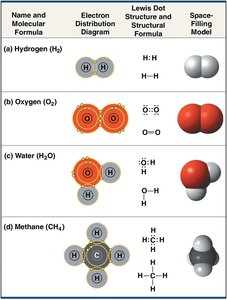
Chemical bonds are fundamental to the structure and function of biological molecules. Atoms with incomplete valence shells can share or transfer electrons, resulting in various types of bonds:
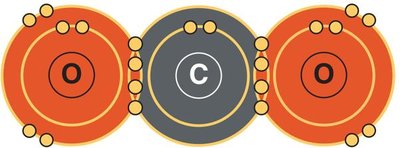
Covalent Bonds: Involve the sharing of electron pairs between atoms. Covalent bonds are strong and form the backbone of most biological molecules.
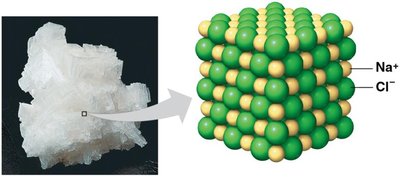
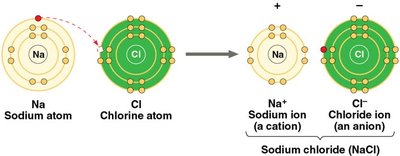
Ionic Bonds: Formed when one atom transfers electrons to another, resulting in oppositely charged ions (cations and anions) that attract each other.
Weak Chemical Interactions: Include hydrogen bonds and Van der Waals interactions. These are weaker than covalent or ionic bonds but are crucial for maintaining the structure and function of large biological molecules.
Polar vs. Nonpolar Covalent Bonds
Electronegativity determines how atoms share electrons in covalent bonds:
Nonpolar Covalent Bonds: Electrons are shared equally (e.g., O2 molecule).
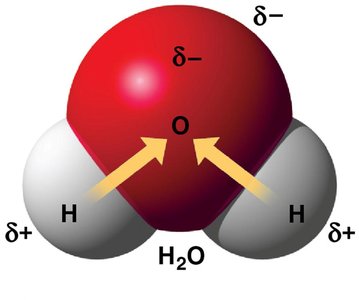
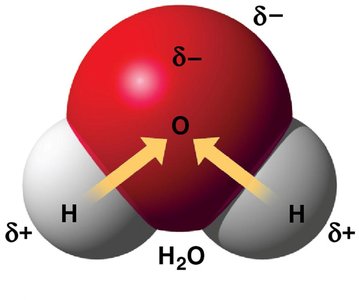
Polar Covalent Bonds: Electrons are shared unequally, resulting in partial charges (e.g., H2O molecule).
Weak Chemical Interactions
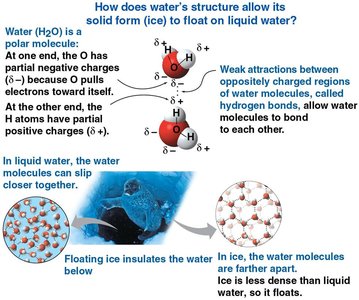
Hydrogen Bonds: Occur when a hydrogen atom covalently bonded to an electronegative atom (usually O or N) is attracted to another electronegative atom. These bonds are essential for the properties of water and the structure of DNA and proteins.
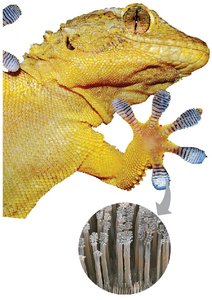
Van der Waals Interactions: Result from transient uneven electron distributions, leading to weak attractions between molecules. These can be collectively strong, as seen in gecko toe hairs adhering to surfaces.
Properties of Water
Unique Properties Facilitating Life
Water's structure and hydrogen bonding give it several properties essential for life:
Cohesive Behavior: Water molecules stick together due to hydrogen bonding, enabling surface tension and transport in plants.
Ability to Moderate Temperature: Water has a high specific heat, allowing it to resist temperature changes and stabilize environments.
Expansion Upon Freezing: Ice is less dense than liquid water, so it floats and insulates aquatic life below.
Versatility as a Solvent: Water's polarity allows it to dissolve many substances, facilitating biochemical reactions.
Carbon and Molecular Diversity
Carbon's Bonding Versatility
Carbon atoms can form diverse molecules by bonding to four other atoms, making them uniquely suited for building large, complex biological molecules.
Electron Configuration: Carbon's four valence electrons allow it to form covalent bonds with many elements, including hydrogen, oxygen, and nitrogen.
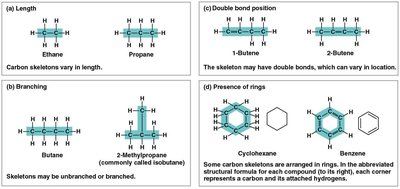
Common Bonding Patterns: Carbon skeletons can vary in length, branching, double bond position, and ring formation.
Hydrocarbons
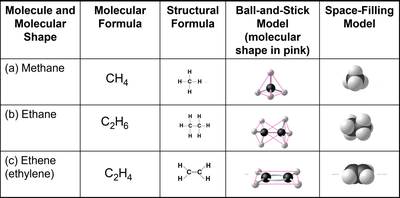
Definition: Organic molecules consisting only of carbon and hydrogen.
Biological Importance: Many fats and other molecules contain hydrocarbon components, which can release energy during reactions.
Isomers
Isomers are compounds with the same molecular formula but different structures and properties:
Structural Isomers: Differ in covalent arrangement of atoms.
Cis-trans Isomers: Differ in spatial arrangement around double bonds.
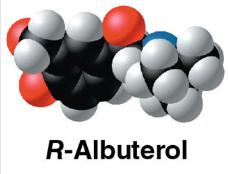
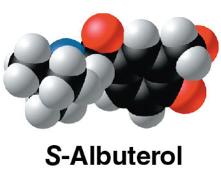
Enantiomers: Mirror images of each other; often only one is biologically active.

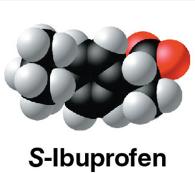
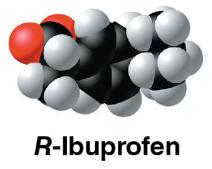
Functional Groups in Biological Molecules
Definition and Importance
Functional groups are specific groups of atoms attached to carbon skeletons that confer distinctive chemical properties to molecules. They are critical for the function and reactivity of biological molecules.
Major Functional Groups: Hydroxyl, Carbonyl, Carboxyl, Amino, Sulfhydryl, Phosphate, and Methyl groups.
Role: Functional groups modify the properties of molecules, affecting solubility, acidity, reactivity, and biological activity.
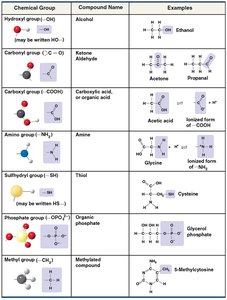
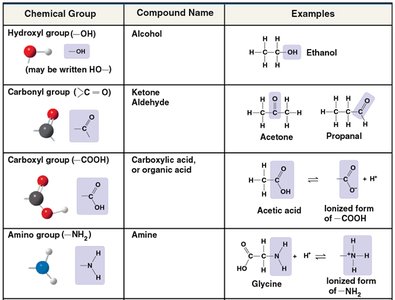
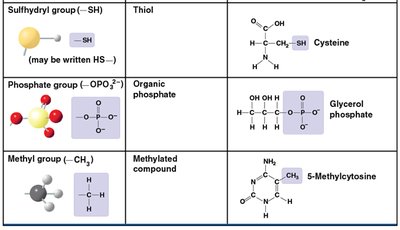
Examples of Functional Groups
Chemical Group | Compound Name | Examples |
|---|---|---|
Hydroxyl group (–OH) | Alcohol | Ethanol |
Carbonyl group (>C=O) | Ketone, Aldehyde | Acetone, Propanal |
Carboxyl group (–COOH) | Carboxylic acid | Acetic acid |
Amino group (–NH2) | Amine | Glycine |
Sulfhydryl group (–SH) | Thiol | Cysteine |
Phosphate group (–OPO32–) | Organic phosphate | Glycerol phosphate |
Methyl group (–CH3) | Methylated compound | 5-Methylcytosine |
Connections & Applications
Integration of Topics
The four topics—chemical bonds, water properties, carbon diversity, and functional groups—are interconnected in biological processes. For example, DNA replication and enzyme activity depend on the proper formation and interaction of chemical bonds, the unique properties of water, the versatility of carbon skeletons, and the presence of functional groups.
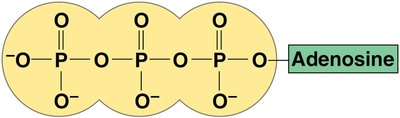
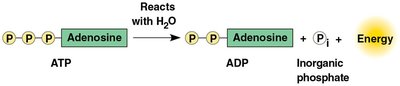
Example: ATP (adenosine triphosphate) contains phosphate functional groups and releases energy through hydrolysis, which is essential for cellular processes.
Key Equations
ATP Hydrolysis:
Water Dissociation:
Formation of Sodium Chloride:
Additional info: Academic context was added to clarify the role of each bond type, functional group, and their biological significance, as well as to integrate examples and equations for exam preparation.
